Your Vietnamese coffee maker sits unused on the counter, its small metal frame promising rich, bold coffee but leaving you frustrated. You’ve tried pouring hot water over the grounds only to get weak, watery results or frustrating clogs. Without proper guidance, that traditional phin filter becomes just another kitchen ornament rather than your gateway to café-quality cà phê sữa đá. This guide cuts through the confusion with precise, actionable steps verified through authentic Vietnamese brewing traditions. You’ll learn exactly how to measure grounds, control brew time, and troubleshoot common issues—transforming your daily coffee ritual into an authentic experience that captures the thick, syrupy texture and intense flavor Vietnam is famous for.
Essential Components of Your Vietnamese Phin Filter
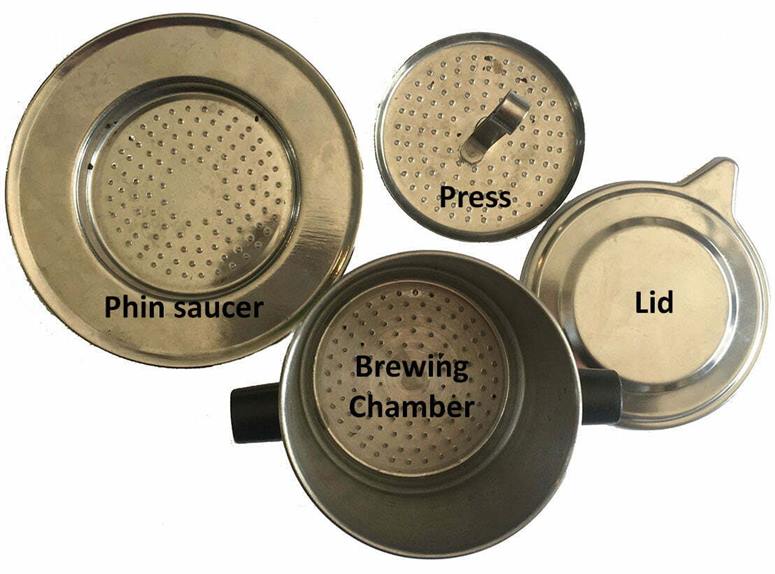
Before brewing, identify the four critical parts of your traditional phin filter. The upper chamber (nắp ép) is the perforated press disk that sits directly on coffee grounds. The brewing chamber (buồng pha) holds your coffee and features tiny holes at the base that control water flow. The lid (nắp đậy) traps heat during extraction, while the serving cup (usually a small glass or mug) catches your finished brew. Each component works in harmony—skip one step like tamping the press disk correctly, and you’ll get inconsistent extraction or overflow.
Why Your Phin Filter Design Matters for Authentic Flavor
Vietnamese phin filters create stronger coffee than pour-over methods because of their unique slow-drip mechanism. The small 0.8mm-1.2mm holes in the brewing chamber restrict water flow, allowing 4-5 minutes of full coffee saturation. This extended contact time extracts more oils and compounds than espresso machines, creating that signature viscous texture. Unlike French presses that leave sludge, the phin’s fine holes produce clean sediment-free coffee ideal for mixing with condensed milk.
Common Phin Filter Mistakes That Ruin Your Brew
Overpacking the chamber causes water to back up and overflow—fill only to the chamber’s rim without tamping first. Using coarse grounds speeds up dripping, resulting in sour, under-extracted coffee; always use medium-fine grounds resembling sea salt. Skipping the bloom phase (initial 20-second water saturation) traps carbon dioxide that blocks flavor extraction. And removing the lid prematurely drops the temperature, halting the slow-drip process that develops deep caramel notes.
Perfect Coffee-to-Water Ratios for Every Cup Size
Achieve balanced sweetness without bitterness using these verified measurements. For a standard single serving (4oz cup), use 18g (2 tablespoons) of coffee and 90ml (3oz) of water. Double the ratios for a larger 8oz serving: 36g coffee (4 tablespoons) and 180ml water (6oz). Never eyeball measurements—Vietnamese coffee’s intensity relies on precise 1:5 coffee-to-water concentration. Too little coffee creates weak brew; too much causes over-extraction and harshness.
Adjusting Strength for Different Coffee Blends
Robusta beans (traditional in Vietnam) require 15% less water than Arabica due to higher solubility. For pure Robusta, use 85ml water per 18g coffee. If blending Robusta with Arabica (common in commercial mixes), stick to the standard 90ml ratio. Darker roasts need 5-10 seconds longer brew time to develop chocolate notes, while lighter roasts finish faster to avoid acidity. Always grind fresh—pre-ground coffee loses 60% of its volatile compounds within 30 minutes.
Troubleshooting Weak or Bitter Coffee
Weak coffee? Your water temperature dropped below 195°F (90°C) during brewing. Solution: Preheat your serving cup with hot water and use a gooseneck kettle to maintain 200°F (93°C) water. Bitter coffee? Water sat on grounds too long. Fix: Reduce brew time by 30 seconds or use coarser grounds. Sour coffee? Under-extraction from insufficient bloom—extend initial saturation to 30 seconds. Pro tip: Place your phin on a scale to monitor drip rate—ideal is 1 drop per second during main extraction.
Step-by-Step Brewing Process for Thick, Syrupy Coffee
Follow this exact sequence for authentic Vietnamese coffee texture. First, place 18g medium-fine grounds into the dry brewing chamber without tamping. Second, pour 20ml hot water (200°F/93°C) to saturate grounds, then immediately press the upper chamber down firmly until it touches the coffee. Third, wait 20 seconds for the bloom phase—watch for bubbling as CO2 releases. Fourth, slowly add remaining 70ml water in two 35ml pours 30 seconds apart. Fifth, close the lid and wait 4 minutes for full extraction. Sixth, remove phin and stir in 2 tablespoons condensed milk.
Critical Timing Breakdown for Optimal Extraction
Your brew clock starts when water first touches grounds. 0-20 seconds: Bloom phase—critical for even extraction. 20-90 seconds: Initial slow drip (1-2 drops/second) develops acidity and fruit notes. 90-240 seconds: Main extraction phase (steady 1 drop/second) where body and sweetness emerge. 240+ seconds: Over-extraction begins—bitter compounds dominate. Set a timer! Stopping at 4 minutes yields balanced coffee; 5 minutes creates intense café đen (black coffee) for robusta lovers.
Visual Cues That Signal Perfect Brewing
Watch for these physical indicators: During bloom, grounds should rise 2-3mm then settle as bubbles subside. In extraction, coffee should drip like warm honey—not a steady stream (too fast) or single drops minutes apart (too slow). Finished brew has a thin golden crema layer (like espresso) and coats the spoon thickly. If liquid runs clear at the end, you’ve over-extracted. Pro move: Hold phin over white saucer to spot pale drips signaling weak spots in the coffee bed.
Troubleshooting Common Phin Filter Issues

Why Your Coffee Drips Too Slowly or Stops Completely
Clogged holes occur when fine grounds sneak past the press disk. Fix: Rinse chamber under running water while gently rubbing holes with a toothpick. Over-tamped coffee compresses grounds too tightly—press disk only until it touches grounds, applying 2-3 pounds of pressure (like squeezing a stress ball lightly). Water temperature too low thickens coffee oils, slowing flow; always use water just off boil (200°F/93°C). Emergency fix: Lift lid briefly to increase oxygen flow and restart dripping.
Preventing Overflow During Brewing
Overflow happens when water enters faster than it exits the chamber. Solution 1: Pour water in two stages—20ml for bloom, then 70ml in two increments. Solution 2: Ensure the press disk has 0.5mm clearance above grounds before tamping. Solution 3: Place a paper towel under the phin to catch minor overflows. Critical: Never fill above the chamber’s rim line—coffee expands 30% during bloom. Model-specific tip: Trung Nguyên phin filters require 10% less coffee than smaller Minh phin models.
Cleaning and Maintenance for Long-Lasting Performance
Disassemble all parts immediately after brewing before coffee oils harden. Soak chamber and disk in warm vinegar-water solution (1:3 ratio) for 15 minutes to dissolve residue. Scrub holes with a soft-bristled toothbrush—never metal tools that scratch surfaces. Rinse thoroughly under hot water until vinegar smell disappears. Air-dry all components upside down on a rack; moisture trapped in screw threads causes rust. Monthly deep clean: Boil parts for 5 minutes to remove stubborn oil buildup.
Why Proper Drying Prevents Bitter Aftertastes
Residual moisture breeds mold in the brewing chamber’s crevices, creating off-flavors. Always store disassembled parts in a well-ventilated area—not stacked together in a drawer. If you detect mustiness, run a blank brew with 1 tablespoon baking soda dissolved in water, then rinse 3 times. Never use soap—it leaves film that repels coffee oils. Pro tip: Keep a dedicated microfiber cloth for drying phin parts to avoid paper towel lint in holes.
Authentic Serving Techniques and Variations
Pour finished coffee directly over 2 tablespoons condensed milk in your serving cup—the heat caramelizes sugars for natural sweetness. Stir vigorously in a figure-eight motion to emulsify. For iced coffee (cà phê sữa đá), fill cup with ice first, then pour coffee-milk mixture over it. Traditional ratio: 60% coffee, 40% milk by volume. Advanced variation: Add a pinch of salt to condensed milk before pouring to enhance caramel notes without increasing sweetness.
Customizing for Western Palates Without Losing Authenticity
Prefer milder coffee? Dilute with 30ml hot water after brewing but before adding milk. Want stronger milk coffee? Use evaporated milk instead of condensed for less sweetness. For cold brew lovers: Steep coarse grounds in room-temperature water for 12 hours in the phin chamber, then press gently. Avoid common mistake: Never add milk to the brewing chamber—it clogs holes and creates uneven extraction.
Final Note: Mastering your Vietnamese coffee maker takes practice but rewards you with café-quality results in under 5 minutes. Remember the golden rule: precise measurements and strict timing transform ordinary coffee into that signature thick, syrupy brew. Clean your phin immediately after each use to prevent flavor contamination, and always start with freshly ground medium-fine beans. Once you nail the 4-minute extraction window, experiment with Robusta-Arabica blends or add a cardamom pod to the chamber for festive occasions. Your perfect cup of cà phê sữa đá awaits—no specialty equipment required beyond this humble metal filter. For troubleshooting persistent issues, consult your phin’s manufacturer guide as hole sizes vary slightly between Vietnamese brands like Trung Nguyên and Minh.