The rich aroma of authentic Italian coffee doesn’t require expensive espresso machines or complicated equipment—it starts with mastering your Moka pot. This iconic stovetop coffee maker has been the heart of Italian kitchen rituals since the 1930s, delivering café-quality coffee with remarkable simplicity. Learning how to use an Italian coffee maker properly transforms your morning routine into an authentic espresso experience without electricity or complex machinery. Whether you’ve just unpacked your first Moka pot or want to perfect your technique, this guide delivers the precise steps to achieve consistently rich, flavorful coffee that captures Italy’s coffee heritage.
Understanding the principles behind Moka pot operation reveals why this simple device produces such exceptional coffee. Unlike drip brewers, the Italian coffee maker uses steam pressure to force hot water through finely ground coffee, creating a concentrated brew similar to espresso. When you learn how to use an Italian coffee maker correctly, you’ll discover it’s not just about making coffee—it’s about participating in a time-honored tradition that balances science and artistry. Let’s explore the exact process to transform ordinary coffee grounds into extraordinary espresso-style coffee in your own kitchen.
Essential Moka Pot Components You Must Know

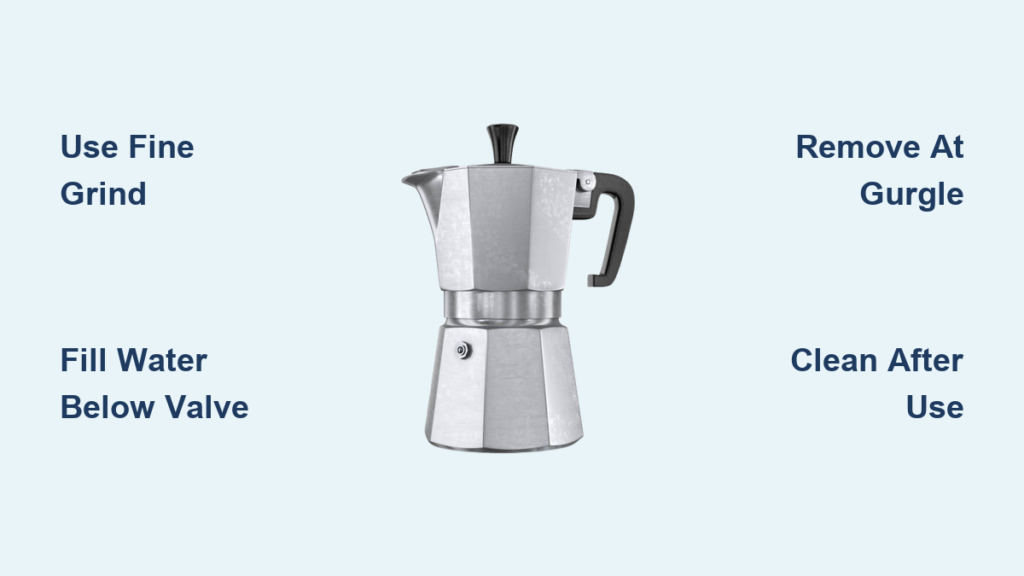
Before brewing your first cup, identify the three critical sections that make your Italian coffee maker function properly. The bottom chamber holds water and creates steam pressure when heated, the middle filter basket contains your coffee grounds, and the top chamber collects the finished brew. Recognizing how these components interact prevents common assembly mistakes that lead to weak coffee or messy stovetops.
Examine your Moka pot’s rubber gasket, which creates the seal necessary for proper pressure buildup during brewing. This small component significantly impacts your coffee quality—when worn or damaged, it causes steam leaks that prevent proper extraction. Check your gasket regularly for cracks or warping, and replace it if it no longer creates a tight seal between the top and bottom chambers.
Perfect Coffee-to-Water Ratio for Authentic Flavor
Achieving café-quality results when learning how to use an Italian coffee maker starts with the proper coffee-to-water measurement. Fill the bottom chamber with fresh, cold water to just below the safety valve—not above it, as excess water creates dangerous pressure buildup. For the coffee basket, use one lightly heaped scoop per cup capacity without tamping or pressing down the grounds. This loose filling allows water to flow evenly through all coffee particles for balanced extraction.
The ideal coffee grind resembles fine sea salt—not as fine as espresso powder but finer than standard drip coffee. Too fine causes clogging and bitter over-extraction, while too coarse results in weak, watery coffee. When measuring coffee, remember that Moka pot cups are smaller than standard mugs—typically 2-3 ounces per “cup” capacity marking on your pot.
Step-by-Step Brewing Process for Optimal Results
Assembling Your Italian Coffee Maker Correctly
Place the empty filter basket into the bottom chamber, then fill it with your measured coffee grounds. Level the grounds by gently tapping the basket on your countertop—never tamp or compress them. Position the top chamber onto the bottom section and screw them together firmly but without excessive force. Over-tightening damages threads and makes disassembly difficult after heating.
Heating and Monitoring the Brewing Cycle
Set your assembled Moka pot on medium heat—not high, as excessive heat scorches coffee and creates bitter flavors. Watch for the first signs of coffee emerging into the top chamber, typically signaled by a gentle gurgling sound. As brewing progresses, the coffee flow changes from a steady stream to a slower trickle with intermittent gurgling.
Knowing Exactly When to Stop Brewing
Remove your Italian coffee maker from heat the moment the gurgling becomes irregular and spluttering. Leaving it on heat too long causes the remaining water to boil dry, burning coffee residue and creating unpleasant burnt flavors in your brew. The residual heat will finish pushing the last bit of coffee into the top chamber during the 30-60 seconds it takes to remove and rest the pot.
Avoiding Common Moka Pot Mistakes That Ruin Coffee
Preventing Over-Extraction and Bitterness
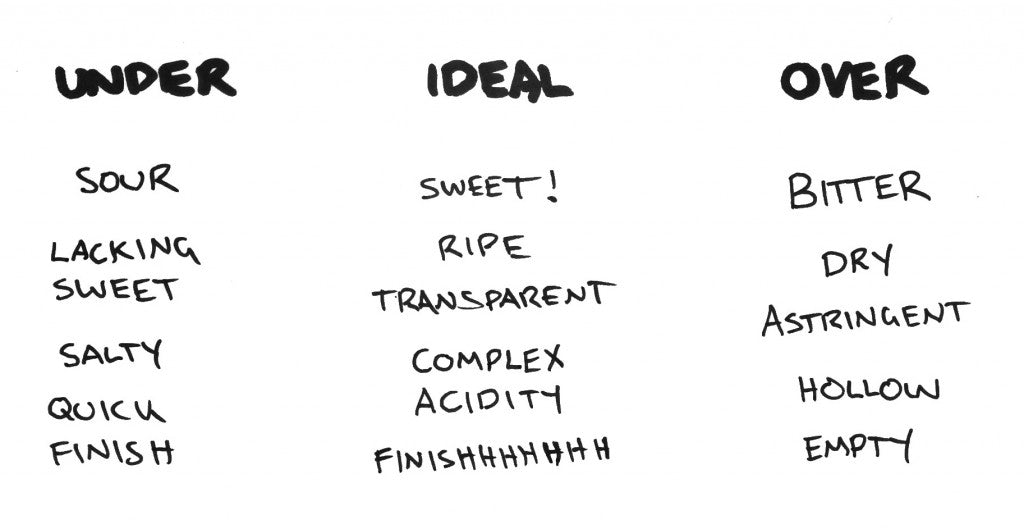
Many beginners leave their Italian coffee maker on heat until all water has transferred to the top chamber, creating bitter, over-extracted coffee. The crucial moment to remove your pot comes when the coffee flow slows to a pale, watery trickle—this prevents the final portion of water from scalding the coffee grounds. Listen carefully to the changing gurgle sounds as your best indicator.
Solving Weak Coffee Problems Immediately
If your brew tastes weak or watery, check three potential issues: coffee grind too coarse, insufficient coffee quantity, or inadequate heat during brewing. Adjust by using a slightly finer grind, adding a bit more coffee to the basket, or increasing heat slightly for your next brew. Remember that Moka pot coffee should have a rich, concentrated body similar to espresso—not thin like drip coffee.
Handling Safety Concerns Properly
Never ignore the characteristic gurgling sound during brewing—that’s your warning that coffee is nearly finished. Ignoring this signal risks boiling the pot dry, which can damage your Italian coffee maker and create fire hazards. Always use oven mitts when handling your Moka pot during and after brewing, as metal components become extremely hot and retain heat long after removal from the stove.
Professional Techniques for Café-Quality Results

Pre-Heating Water for Better Extraction
Experienced Moka pot users often pre-heat their water separately to approximately 180°F before adding it to the bottom chamber. This technique reduces total brewing time and prevents the initial cold water shock that can lead to uneven extraction. The ideal water temperature creates gentle pressure buildup rather than violent boiling that disturbs the coffee bed.
Creating the Perfect Crema Layer
While Moka pots don’t produce true espresso crema, you can enhance the golden foam layer that forms on top of properly brewed coffee. Use freshly roasted beans (within 2-3 weeks of roast date) and grind immediately before brewing. The natural coffee oils released during proper extraction create a thin, flavorful foam that indicates successful brewing—don’t discard this valuable layer!
Cleaning and Maintenance for Longevity
Disassemble your Italian coffee maker while still warm (but not hot) after each use and rinse components with warm water only—avoid soap unless absolutely necessary, as detergent residues affect future brews. Never place your Moka pot in the dishwasher, as harsh detergents and high heat damage the metal and rubber components.
Dry all parts thoroughly before reassembling and storing. Store the pot with the top and bottom sections separated to prevent the rubber gasket from becoming permanently compressed. Periodically check the safety valve in the bottom chamber to ensure it moves freely—this critical component prevents dangerous pressure buildup.
Troubleshooting Your Italian Coffee Maker
Why Your Moka Pot Isn’t Producing Coffee
If no coffee appears in the top chamber, check for three common issues: clogged filter screen, improper assembly, or insufficient heat. Remove and clean the middle filter basket thoroughly, ensure all components are properly aligned during assembly, and verify your heat setting is adequate for proper pressure buildup. Never force components together—if resistance feels excessive, disassemble and check alignment.
Fixing Leaking or Gasket Problems
Steam leaks around the seam between chambers typically indicate gasket issues. Replace worn gaskets immediately, as compromised seals prevent proper pressure buildup and create safety hazards. When installing a new gasket, apply a tiny amount of food-safe mineral oil to help it seat properly and create an effective seal during brewing.
Preserving Authentic Italian Coffee Tradition
Mastering how to use an Italian coffee maker connects you to generations of coffee culture that values quality over convenience. The Moka pot’s enduring popularity proves that exceptional coffee doesn’t require complicated technology—just attention to detail and respect for the process. By following these precise techniques, you’ll consistently produce rich, flavorful coffee that embodies Italy’s cherished coffee heritage.
Remember that perfecting your Moka pot technique takes practice—your first few brews might not achieve café perfection, but each attempt teaches you more about the delicate balance of heat, pressure, and timing. Soon, the ritual of preparing authentic Italian coffee will become your cherished daily tradition, delivering café-quality results with remarkable simplicity. Keep your pot well-maintained, experiment with different coffee beans, and most importantly, enjoy the journey toward mastering this iconic Italian invention.