That first cup of coffee should be perfect—but when your new Tayst coffee maker sits unopened on the counter, convenience feels frustratingly out of reach. Learning how to use a Tayst coffee maker properly transforms single-serve brewing from confusing to effortless, delivering café-quality coffee in under two minutes while reducing plastic waste. These Keurig-compatible machines work specifically with Tayst’s compostable pods, offering sustainable convenience without sacrificing flavor. This guide cuts through the confusion with precise, step-by-step instructions for setup, brewing, maintenance, and troubleshooting—so you can enjoy restaurant-quality coffee while supporting ethical farming practices.
Confirm Your Machine Compatibility Before Using Tayst Pods
Before inserting your first Tayst pod, verifying compatibility prevents frustrating brewing failures and wasted coffee. Tayst Gourmet Coffee Pods work exclusively with Keurig-compatible machines manufactured after the first generation—older Keurig models won’t properly accept these compostable pods. Check your machine’s model number against the manufacturer’s specifications to ensure compatibility.
Two main machine types work reliably with Tayst pods. Basic single-serve models (around $55) require manual water refilling for each cup but offer compact countertop space. Water tank models (approximately $100) hold enough water for multiple servings throughout the day, ideal for households with multiple coffee drinkers. If your machine has a water reservoir that needs refilling after each brew, you have the basic model.
How to Identify First-Generation Keurig Models
First-generation Keurig machines lack the necessary internal mechanisms to properly pierce and brew Tayst pods. These older models typically have:
– A manual water fill system requiring you to pour water for each brew
– No digital display or minimal control panel
– A pod holder that doesn’t fully close or lock
– Manufacturing dates prior to 2010
If your machine matches these descriptions, it likely won’t work with Tayst pods. Contact the manufacturer or check their website for your specific model’s compatibility status before purchasing pods.
First-Time Tayst Setup: Water, Power, and Priming in 5 Minutes

Proper initial setup ensures your first brew delivers optimal flavor and prevents common beginner mistakes that damage your machine. Begin by placing your Tayst coffee maker on a stable, level surface near an electrical outlet with at least 6 inches of clearance above the machine—steam and hot water need space during operation.
Fill the water reservoir with fresh, cold filtered water up to the MAX line indicated inside the tank. Using filtered water significantly reduces mineral buildup in hard water areas, extending your machine’s lifespan and improving coffee taste. For basic single-serve models without a water tank, fill the reservoir according to your machine’s specific requirements for each brewing session.
Power Up and Prime Your Machine
Plug in your Tayst coffee maker and turn it on using the power button. Wait for the ready indicator light to change color (usually from red to green) signaling the machine has reached optimal brewing temperature—this takes approximately 2-3 minutes. Never skip this priming step, as cold machines produce weak, under-extracted coffee.
For first-time use, run a complete brewing cycle with just water (no pod inserted) to flush out any manufacturing residues from the internal components. Place a large mug on the drip tray, select the largest cup size, and press brew. Discard this water before making your first actual coffee to ensure pure flavor.
Brew Perfect Tayst Coffee: Insert Pod, Select Size, and Start Brewing
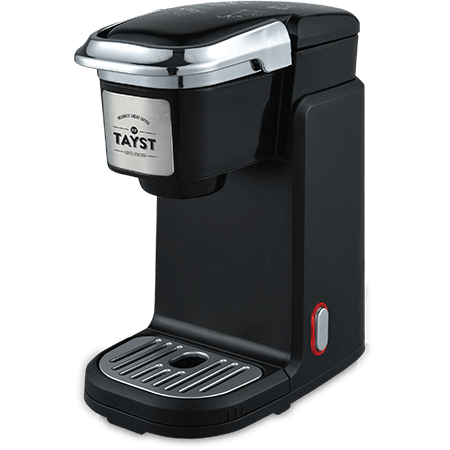
Mastering the four-step brewing process transforms your morning routine into a seamless ritual that delivers consistent, flavorful coffee every time. Lift the pod compartment handle of your Tayst coffee maker to reveal the pod holder chamber. Remove a Tayst Gourmet Coffee Pod from its compostable packaging—note that both the pod and its bag carry BPI Compostable certification.
Correct Pod Placement for Maximum Flavor Extraction
Insert the Tayst pod into the holder with the foil side facing up (toward you), ensuring it sits flush against the bottom of the holder. The pod should fit snugly without gaps around the edges—improper placement causes water to bypass the coffee grounds, resulting in weak, watery coffee. Close the pod compartment firmly until you hear it click into place, creating the necessary seal for proper brewing pressure.
Position your favorite mug on the adjustable drip tray, sliding it forward or backward to align with the dispensing nozzle. Select your desired cup size using the machine’s control panel—most compatible models offer small (6oz), medium (8oz), and large (10oz) options. Press the brew button to start the cycle, watching as hot water pierces the pod and flows through the coffee grounds. The entire process takes 60-90 seconds depending on your selected size.
Commercial Composting: Correct Tayst Pod Disposal for Eco-Friendly Brewing
Proper disposal completes your responsibility in the Tayst sustainable brewing cycle and prevents well-intentioned mistakes that undermine environmental benefits. After brewing, open the pod compartment and remove the spent pod—most machines eject it partially for easy removal. The used pod contains both the compostable filter and coffee grounds, ready for proper disposal.
Finding Commercial Composting Services Near You
Tayst pods require commercial composting facilities to break down properly, as home compost bins typically don’t reach the high temperatures needed for decomposition. Check with your local waste management provider to determine if they offer curbside compost collection that accepts BPI-certified products. Many municipalities have specific guidelines about what can go in compost bins—some require you to place compostable pods in clear bags for identification.
If commercial composting isn’t available in your area, contact Tayst customer support to inquire about mail-back programs or locate the nearest drop-off facility. Never dispose of used Tayst pods in regular trash when composting options exist, as this defeats the purpose of choosing sustainable single-serve coffee. The BPI Compostable certification on each pod guarantees it will break down efficiently in proper facilities, returning nutrients to the soil.
Monthly Tayst Machine Maintenance That Prevents Mineral Buildup

Regular maintenance preserves optimal brewing performance and extends your machine’s lifespan beyond the typical 2-3 years. Daily care takes less than 30 seconds but prevents 90% of common brewing issues. After each use, wipe the exterior with a damp microfiber cloth and empty the drip tray to prevent bacterial growth and overflow.
Descaling Your Tayst Coffee Maker Step-by-Step
Mineral deposits from water gradually clog internal pathways, causing weak coffee or complete brewing failure. Descaling every 1-3 months (depending on water hardness) restores proper water flow. Fill the water reservoir with equal parts white vinegar and distilled water, then run a complete brewing cycle without a pod inserted. Follow with 2-3 cycles of plain water to eliminate vinegar taste and odor.
For machines with persistent buildup, use a soft-bristled brush to gently clean the pod holder needle assembly—this critical component pierces the pod during brewing and often gets clogged with coffee residue. Never use metal tools that could damage the delicate piercing mechanism. Consult your machine’s manual for model-specific maintenance instructions before attempting deep cleaning.
Troubleshoot Weak Coffee or No Brew Issues with Your Tayst Maker
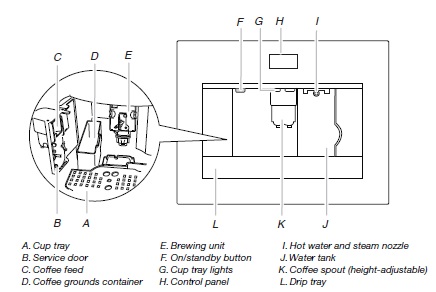
When your Tayst coffee maker fails to deliver, systematic troubleshooting resolves most problems without professional service. Weak, watery coffee typically indicates improper water flow through the pod. First, verify the pod sits correctly in the holder without tilting—if it’s askew, remove and reinsert it properly. Next, check that the pod compartment closes completely and locks into position.
Fixing Complete Brewing Failures
When your Tayst coffee maker shows no signs of brewing activity:
– Confirm the water reservoir contains sufficient water (at least 1/4 full)
– Ensure the machine has reached operating temperature (ready light is on)
– Verify the power cord is securely connected to both machine and outlet
– Test with a different electrical outlet to rule out power issues
If the machine powers on but makes unusual gurgling sounds without dispensing coffee, mineral buildup likely blocks internal pathways. Immediately perform a descaling cycle as described in the maintenance section. Persistent issues after descaling may indicate a damaged pump or heating element requiring professional repair.
Select Tayst Coffee Flavors That Match Your Taste Preferences
Choosing the right Tayst pods enhances your brewing experience and prevents wasting money on unsuitable flavors. Tayst offers multiple roast profiles from light (bright, floral notes) to medium (balanced acidity) to dark (bold, smoky characteristics). Start with their sampler pack to discover which profiles complement your palate before committing to larger quantities.
Matching Pod Quantities to Your Brewing Frequency
Purchase pod quantities that align with your consumption patterns to maintain peak freshness. Coffee flavor degrades noticeably after 4-6 weeks post-roast, so daily drinkers should buy medium-sized boxes (24-30 pods) while occasional users benefit from smaller packs (12 pods). Check the roast date on packaging when possible—fresher beans deliver more vibrant flavors than older stock.
Store unopened Tayst pods in a cool, dry place away from direct sunlight and moisture. Never refrigerate or freeze coffee pods, as temperature fluctuations cause condensation that degrades flavor. Once opened, use the pods within 2 weeks for best results, keeping the box sealed tightly between brews.
Optimize Your Daily Tayst Coffee Routine for Maximum Enjoyment
Streamlining your Tayst coffee maker usage transforms morning chaos into a peaceful ritual that consistently delivers quality results. Prepare the night before by filling the water reservoir and setting your favorite mug in position—this shaves 30-60 seconds off your morning routine when every moment counts.
For households with multiple coffee drinkers, designate specific mug colors or patterns to prevent mix-ups. Adjust the drip tray height in the evening to accommodate your preferred cup size, eliminating fumbling with controls when you’re still half-asleep. If you take cream or sugar, keep these items within arm’s reach of your coffee station for seamless customization.
The sustainable aspect of Tayst brewing shouldn’t be an afterthought—it’s part of the enjoyment. Knowing your single-serve convenience doesn’t contribute to plastic landfill waste enhances the coffee experience. Each used pod you properly compost represents a small victory for environmental responsibility, making your daily ritual meaningful beyond personal enjoyment.