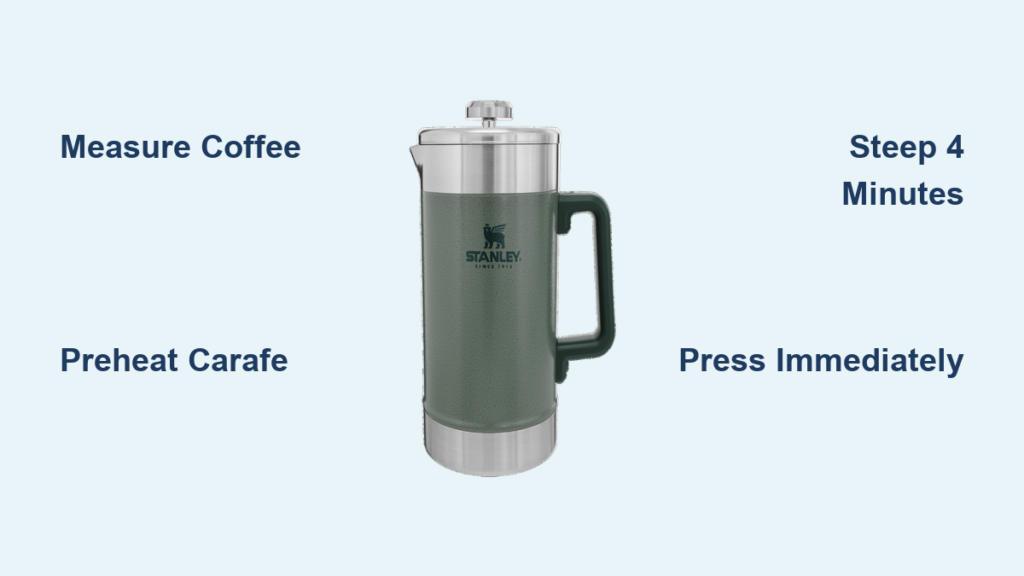
There’s nothing quite like the rich, full-bodied coffee you get from a French press—especially when you’re using a Stanley model built to withstand outdoor adventures while delivering café-quality results. If your Stanley French press coffee maker has been gathering dust because you’re unsure how to use it properly, you’re not alone. Many coffee lovers struggle with inconsistent results, gritty coffee, or confusing instructions that leave them wondering why their brew doesn’t match the rich, smooth experience they expected.
Mastering your Stanley French press takes just a few simple steps that transform mediocre coffee into a luxurious morning ritual. Unlike automatic drip machines that filter out essential oils, the French press method preserves coffee’s natural flavors and textures, giving you a more authentic tasting experience. And with Stanley’s legendary durability and insulation, you can enjoy hot coffee for hours whether you’re camping in the mountains or working at your desk.
This guide cuts through the confusion with a step-by-step approach specifically designed for Stanley French press coffee makers. You’ll learn the exact water temperature, coffee-to-water ratio, and timing that creates perfect extraction every time—plus troubleshooting tips for common issues like weak coffee, bitter flavors, or grounds in your cup.
Measure Coffee and Water with Precision
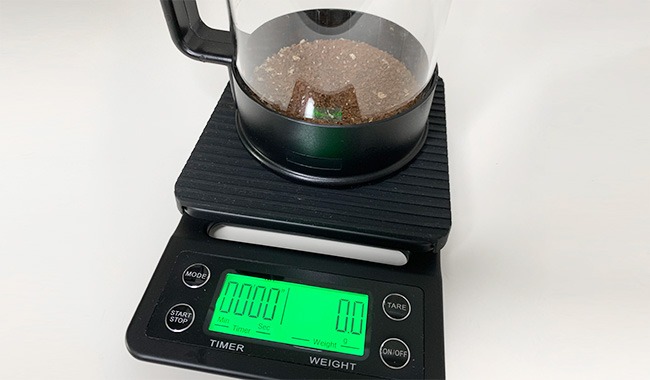
The foundation of great French press coffee starts with accurate measurements. For optimal results with your Stanley French press, use a 1:15 coffee-to-water ratio by weight—meaning 30 grams of coffee for every 450 grams (about 15 ounces) of water. This ratio delivers balanced extraction without overwhelming bitterness or weak flavor. If you don’t own a kitchen scale, use 2 tablespoons of coffee per 6 ounces of water as a starting point, though weight measurements consistently produce better results.
Grind size dramatically impacts your final cup, so invest in a burr grinder for consistent coarse particles resembling sea salt. Blade grinders create uneven particles that lead to both over-extracted bitterness and under-extracted sourness in the same cup. Stanley French presses require coarser grinds than pour-over methods because the prolonged contact between water and grounds demands slower extraction. If coffee sits too long with fine grounds, it becomes harsh and astringent.
Preheat Your Stanley French Press Properly
Stanley’s insulated models maintain temperature better than glass French presses, but they still need preheating to prevent thermal shock and ensure optimal brewing conditions. Pour hot water into the empty carafe, swirl gently for 30 seconds, then discard the water completely. This critical step raises the internal temperature to match your brewing water, preventing heat loss during extraction that would create weak, under-extracted coffee.
While your French press warms, heat fresh filtered water to 200°F (93°C)—just below boiling. Water that’s too hot scalds coffee grounds, releasing bitter compounds, while water that’s too cool fails to extract enough flavor. If you don’t have a thermometer, boil water then let it sit for 30 seconds before using. The ideal temperature window of 195-205°F allows proper extraction of coffee’s complex flavor compounds without burning the delicate oils.
Add Coffee and Initiate the Bloom Phase
After discarding the preheating water, immediately add your measured coffee grounds to the dry carafe. Start your timer and pour just enough hot water to saturate all grounds—about twice the weight of your coffee. For 30 grams of coffee, this means approximately 60 grams of water. Watch as the coffee expands and bubbles, releasing carbon dioxide in a process called “blooming” that takes 30-45 seconds.
This initial bloom phase is crucial for fresh coffee, as recently roasted beans contain significant amounts of trapped CO2 that would otherwise create uneven extraction and sour flavors. If your coffee doesn’t bloom noticeably, it’s likely stale—aim for beans roasted within the past 2-4 weeks for optimal freshness. After the bloom completes, slowly pour the remaining water in a circular motion to ensure even saturation of all grounds.
Steep for Exactly Four Minutes
Set your timer for precisely four minutes from the moment your carafe is fully filled. This timing represents the sweet spot for French press extraction—shorter times yield sour, under-extracted coffee while longer times create bitter, over-extracted results. Stanley’s insulated designs maintain temperature better than standard French presses, making consistent timing even more critical to prevent over-extraction.
During steeping, resist the urge to stir or press early. The coffee should sit undisturbed to allow proper extraction. If you notice excessive bubbling or foam after the initial bloom, your water temperature may be too high. For stronger coffee, increase the coffee-to-water ratio rather than extending steep time, which inevitably creates bitterness. Four minutes delivers balanced flavor with full body and complexity that showcases your coffee’s unique characteristics.
What to Do If Coffee Is Too Strong or Weak
If your coffee tastes weak despite following proper measurements, check your grind size first—too coarse creates under-extraction. Adjust your grinder to a slightly finer setting for the next brew. If coffee tastes bitter, your grind is likely too fine or your water temperature too high. Coarsen the grind and ensure water sits 30 seconds after boiling before brewing. Remember that changing only one variable at a time helps identify what works best for your specific Stanley model and coffee beans.
Press and Pour Immediately After Steeping

When your timer reaches four minutes, press the plunger down with slow, steady pressure. The resistance should feel firm but smooth—if it’s difficult to press, your grind is too fine; if it drops too easily, your grind is too coarse. Stanley’s durable plunger mechanisms handle regular use well, but proper technique prevents unnecessary wear on the filter and seal.
Immediately pour all coffee into preheated mugs or an insulated carafe after pressing. Leaving coffee in contact with grounds continues extraction, creating increasingly bitter flavors. Stanley’s travel-friendly designs often include companion mugs perfect for this step—simply press directly over your mug to enjoy coffee at optimal temperature without over-extraction. Never let coffee sit in the French press beyond immediate serving time.
How to Avoid Common Pressing Mistakes
Many users press too aggressively, forcing fine particles through the filter and creating gritty coffee. Apply gentle, consistent pressure rather than forcing the plunger down quickly. If you encounter significant resistance, stop pressing and let the coffee steep 30 seconds longer before trying again. Never leave the plunger partially pressed during steeping, as this creates uneven extraction and inconsistent flavor throughout your brew.
Clean Your Stanley French Press Thoroughly
Disassemble all components immediately after use while coffee residues are still wet. Rinse the carafe, plunger assembly, and filter screen under warm water to remove loose grounds. For stubborn coffee oils that build up over time, add a tablespoon of uncooked rice to the carafe with warm water and a drop of dish soap, then swirl vigorously to scrub interior surfaces without scratching.
Pay special attention to the mesh filter and silicone seal where coffee oils accumulate and turn rancid, affecting future brews. Stanley’s stainless steel construction withstands thorough cleaning, but avoid abrasive scrubbers that could damage the finish. Dry all components completely before reassembling to prevent moisture buildup and mineral deposits that affect performance.
Troubleshoot Weak Coffee Issues
Why your Stanley French press coffee tastes watery usually stems from incorrect coffee-to-water ratios or grind size that’s too coarse. Double-check your measurements—using too little coffee or too much water creates weak brews regardless of timing. If measurements are correct, adjust your grinder to a finer setting while maintaining the coarse texture appropriate for French press.
Water temperature that’s too low also causes weak extraction. Verify your water reaches 195-205°F before brewing by using a thermometer or timing boiled water correctly. Stanley’s insulated models maintain temperature better than glass presses, but starting with properly heated water remains essential for full flavor development.
Prevent Bitter Coffee from Over-Extraction

Over-steeping is the most common cause of bitter French press coffee. Set a precise timer and pour immediately when it completes—never let coffee sit in the press beyond four minutes. If you consistently forget to pour on time, consider brewing smaller batches you can finish immediately.
Grind size that’s too fine accelerates extraction, creating bitterness even with proper timing. Adjust your grinder to produce coarser particles that resemble rough sea salt rather than table salt. Stanley French presses work best with generous particle sizes that prevent fine sediment from passing through the filter while allowing proper extraction during the steep time.
Extend Your French Press Lifespan
Stanley products are built to last, but proper maintenance ensures decades of reliable service. Periodically inspect the silicone seal for cracks or wear that allows fine grounds into your cup. Stanley offers replacement parts for most models through their customer service department when components eventually need refreshing.
Store your French press disassembled with the plunger raised when not in use to prevent unnecessary pressure on the seal. Avoid extreme temperature changes that could compromise Stanley’s vacuum insulation—never put a hot French press directly in cold water or refrigerate it immediately after brewing. With proper care, your Stanley French press becomes a trusted companion for countless perfect cups of coffee.