Your Keurig spits out a disappointing 4-ounce cup when it should deliver a full 12-ounce brew? Mineral scale and coffee grime are silently strangling your machine’s performance. Daily descaling won’t reach the hidden buildup choking internal water paths and needle assemblies. This complete disassembly guide reveals exactly how to take apart Keurig to clean critical components that factory instructions ignore. You’ll restore full brewing capacity in under 90 minutes and extend your coffee maker’s life by years.
Ignoring deep cleaning causes slower brew times, louder operation, and eventually complete failure. Most users miss that the real clogs hide behind panels—where water reservoir seals leak minerals into tubing and coffee grounds weld shut puncture needles. After following this guide, you’ll witness immediate improvements in brew strength and speed. Let’s dive into the precise steps to dismantle your Keurig safely.
Gather These Tools Before Disassembling Your Keurig
Don’t start without these 5 essentials—missing tools cause broken clips or stripped screws:
– Phillips #2 screwdriver (magnetic tip recommended)
– Straightened paper clip (for needle cleaning)
– Plastic pry tool (or butter knife for delicate clips)
– White vinegar and container for soaking parts
– Bright workspace with towel for small components
Pro Tip: Photograph screw placements before removal. Different-length screws go in specific spots—mixing them up causes panel gaps during reassembly.
Critical Safety Steps Before Touching Your Keurig
Unplug and cool for 2+ hours—never work on a warm machine. Heating elements retain dangerous heat long after brewing stops. Attempting disassembly while hot risks:
– Severe burns from boiled water pockets in tubing
– Electrical shorts if moisture contacts live components
– Cracked plastic from thermal stress during prying
Work on a non-slip surface away from liquids. Small screws (like the 6-8 securing the top panel) vanish instantly on carpet. Keep a magnetic tray nearby. If you smell vinegar or coffee during disassembly, stop immediately—this indicates residual moisture near electrical parts.
Step 1: Remove Water Reservoir and Drip Tray Safely
Skip this and you’ll flood your workspace. Start by lifting the water tank straight up—no twisting. Check the rubber seal at its base for chalky white scale; this is your first clue about internal buildup severity. If the seal looks crusty, scale has already migrated into tubing.
Slide the drip tray forward until it clicks free. Empty any trapped water, then inspect the tray’s underside for coffee sediment. This residue proves grounds are bypassing the K-cup holder—a sign your needle assembly needs urgent attention. Set both components aside for vinegar soaking later.
Step 2: Unlock and Remove Keurig’s Top Cover Without Damage
Hidden screws lurk under rubber feet—typically 6-8 total. Peel back non-slip pads with your fingernail to reveal them. Remove all screws, but keep them sorted by length (longer ones usually anchor handle mechanisms).
Now tackle the plastic clips:
1. Slide your plastic pry tool along the front seam
2. Apply gentle upward pressure until you hear a click
3. Repeat every 2 inches around the perimeter
Never force it. If resistance occurs, you’ve missed a screw or clip. Forcing cracks the housing, causing permanent leaks. Once loose, lift the cover slowly—wires to the control panel connect underneath. Note their routing before disconnecting any plugs.
Step 3: Extract Water Chamber and Needle Assembly Correctly
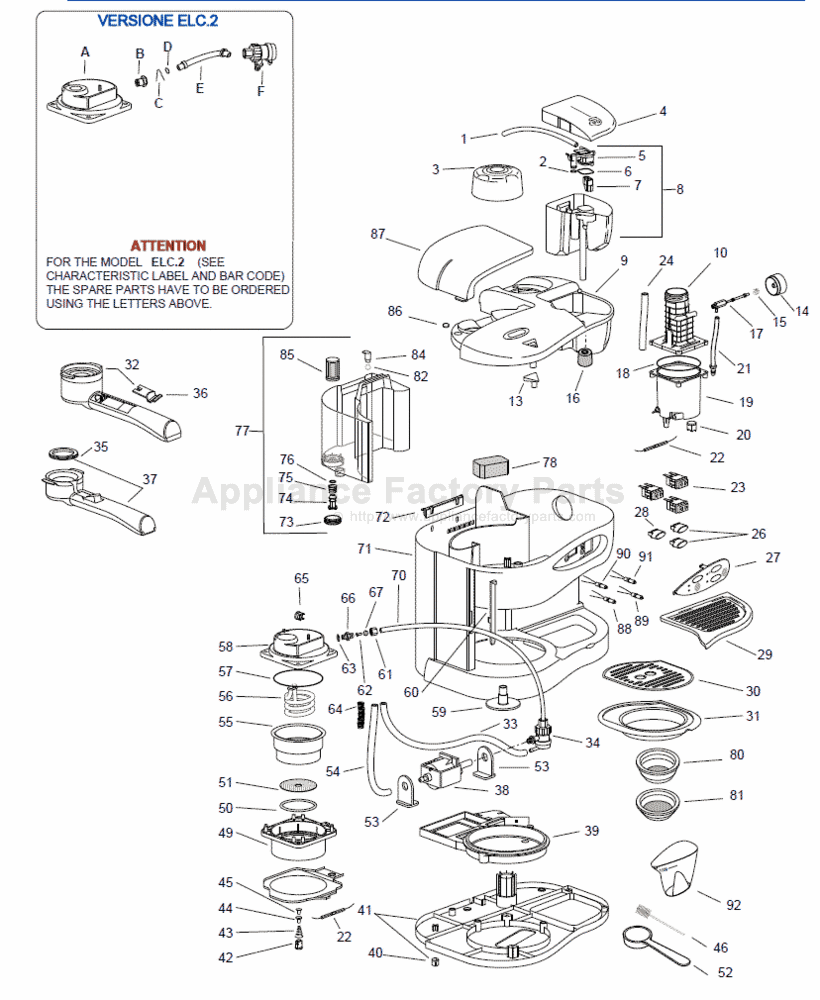
This is where most users fail. Before removing anything, photograph the screw pattern securing the water chamber. These tiny fasteners vary in length—replacing them incorrectly causes misalignment.
Lift the needle assembly straight up; it’s held by friction alone. Examine the brass puncture needle: if it’s dull or bent, coffee grounds jam the K-cup foil. Next, remove the water chamber by lifting it vertically. You’ll expose the check valve—a small rubber flap controlling water flow to the boiler. Handle seals with cotton gloves—oils from skin degrade rubber over time.
Step 4: Clear Clogs in Keurig’s Needle and Water Lines
Stubborn clogs require this 3-part method:
1. Needle cleaning: Straighten a paper clip, insert into the top puncture hole, and rotate to scrape mineral rings. Repeat from the bottom exit hole.
2. Line flushing: Hold the disassembled tubing under hot tap water until outflow runs crystal clear (usually 60+ seconds).
3. Vinegar soak: Submerge the needle assembly in equal parts vinegar/water for exactly 30 minutes—any longer damages rubber seals.
Critical Check: After cleaning, blow through the water lines. If air doesn’t pass freely, repeat the soak. Mineral deposits often hide in 90-degree tubing bends.
Step 5: Test and Clean Your Keurig’s Check Valve
This tiny component causes 70% of weak-brew issues. Locate the check valve on the boiler-side tubing. Blow air into it from the boiler direction—it should open easily. If not, mineral buildup is blocking flow.
To clean:
1. Run hot water through the valve while shaking it vigorously
2. Repeat the air test 5 times to dislodge sediment
3. Verify the rubber flap snaps shut when inverted
Never soak the check valve—vinegar degrades its sensitive seal. If it’s cracked or stiff, replace it ($3 online). A faulty valve lets water bypass the K-cup, causing weak coffee.
Critical Component Inspection: What to Check During Keurig Disassembly
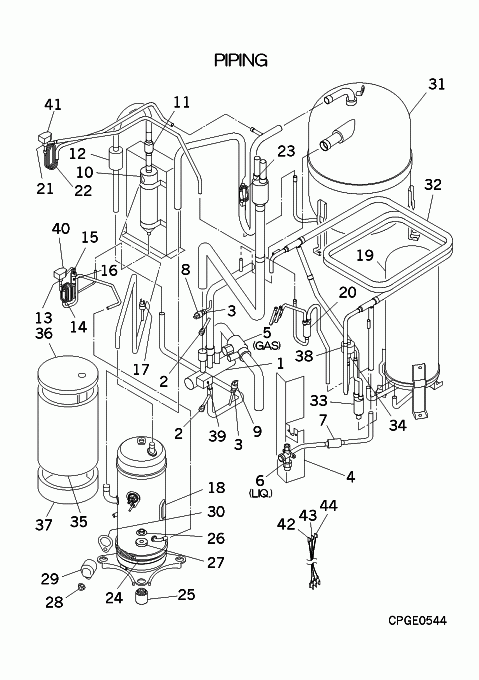
Spot these 4 failure points before reassembly:
– O-rings: Stretch them gently—cracks or loss of elasticity means replacement
– Tubing: Shine a flashlight through it; white haze indicates internal scale
– Needle tip: Dullness requires replacement (sharp needles pierce K-cups cleanly)
– Electrical contacts: Corrosion here causes error codes after reassembly
Pro Tip: Dip questionable O-rings in vegetable oil before reinstalling. This restores flexibility and creates a watertight seal.
Step 6: Reassemble Your Keurig Without Leaks or Gaps
Follow this sequence to avoid common mistakes:
1. Reinstall the check valve with the flap facing the boiler
2. Seat the water chamber until all rubber gaskets click into place
3. Position the needle assembly—ensure no wires are pinched
4. Align the top cover, pressing down firmly at each clip location
5. Insert screws hand-tight first, then snug with the screwdriver
Tighten screws in a star pattern—like lug nuts on a tire—to prevent housing warping. Overtightening strips plastic threads. If panels don’t sit flush, a seal is misaligned; never force screws to close gaps.
Test Your Keurig After Deep Cleaning: What to Look For
Run these checks before brewing coffee:
1. Dry test: Plug in the machine with no water tank—listen for normal pump sounds (no grinding)
2. Water flush: Brew 3 cycles with plain water only
3. Leak inspection: Shine a flashlight under the machine during brewing
Verify success when:
– Full 12-ounce cups brew in under 60 seconds
– No water drips from the needle assembly
– The machine operates quieter than before
If brew volume remains low, extend the vinegar soak to 45 minutes—severe scale may need multiple treatments.
Prevent Mineral Buildup: Keurig Maintenance Schedule
Stop future clogs with this routine:
– Weekly: Clean the needle with a paper clip after each descaling
– Monthly: Run a vinegar descaling cycle (never mix with commercial solutions)
– Every 3 months: Remove and soak the water reservoir in vinegar overnight
– Always: Use filtered water—tap water’s minerals cause 90% of buildup
Never leave water in the reservoir for over 48 hours. Stagnant water breeds biofilm that clogs micro-channels faster than scale. Empty it after each use if storing the machine.
Fix Common Problems After Keurig Deep Cleaning
When issues persist:
– Leaks at the base: Recheck O-ring placement on the water chamber
– “Add Water” error: Reset the machine by unplugging for 5 minutes
– Weak brew continues: Soak the needle assembly for 15 minutes longer
Critical warning signs:
– Burning smell during operation = electrical damage (stop using immediately)
– Visible gaps between panels = misaligned housing (reassembly required)
– Water pooling under machine = cracked tubing (replace section)
Your Keurig should now brew strong, full cups consistently. This deep clean adds 2-3 years to its lifespan—far cheaper than replacement. For persistent issues, check if hidden screws remain under label stickers (common in K-Elite models). Maintain this routine every 6 months, and your coffee maker will never disappoint you again.