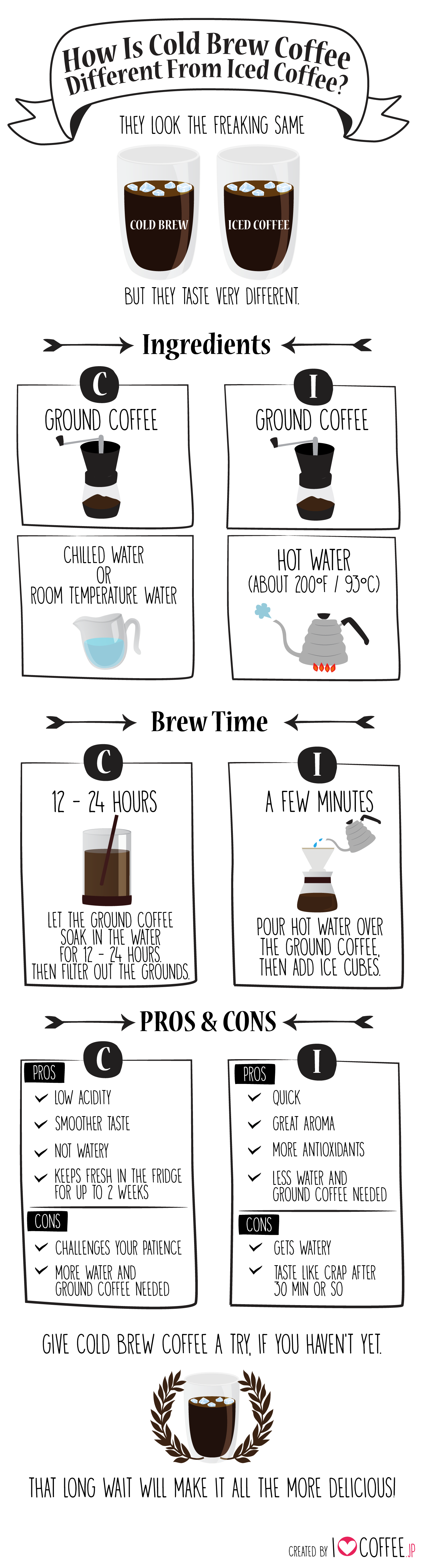
Cold brew coffee’s smooth, low-acidity profile makes it a favorite among coffee enthusiasts, but that same smoothness can make sweetening feel tricky. Unlike hot coffee, where sugars dissolve quickly and flavors open up immediately, cold brew’s cold extraction process creates a different chemistry altogether. If you’ve ever added sugar to cold brew only to find it sitting at the bottom untouched or creating an oddly sweet first sip followed by bitter afterthoughts, you’re not alone. Learning how to sweeten cold brew coffee properly transforms a good cup into an exceptional one, and it starts with understanding why cold brew behaves differently than its hot-brewed counterpart.
The good news is that mastering cold brew sweetness is entirely achievable once you know the right techniques. Whether you prefer natural sweeteners, flavored syrups, or want to avoid refined sugars entirely, there’s a method that will work for your taste preferences and lifestyle. This guide covers everything from the science behind cold brew sweetness to practical tips that work every single time. By the end, you’ll have a toolkit of methods to make your cold brew perfectly sweet, however you take it.
Why Granulated Sugar Fails in Cold Brew
Cold brew coffee extracts flavors differently than hot brewing, and this affects how sweetness interacts with your drink. Hot water opens up coffee particles, releasing oils and compounds quickly while also dissolving added sugars efficiently. Cold water, by contrast, extracts slowly and gently, resulting in a coffee that’s naturally less bitter but also has a thicker, more viscous mouthfeel. This texture change means that traditional sugar dissolution methods often fail.
The temperature difference creates practical challenges when sweetening. Sugar dissolves best in warm liquids—think about how easily sugar disappears into hot tea versus how it sits stubbornly in iced tea. In cold brew, sugar particles can remain visible at the bottom of your glass or create an uneven sweetness profile where the first sip tastes sweet and subsequent sips become progressively less sweetened. Understanding this fundamental difference helps you choose the right sweetening method from the start.
Another factor is cold brew’s naturally lower acidity. While this makes it easier on sensitive stomachs, it also means that the balancing effect of acidity on sweetness is reduced. Hot coffee’s acidity can help sweetness feel more rounded and integrated, but in cold brew, sweetness can taste flatter or more pronounced if not balanced properly. This is why many cold brew drinkers find they need less sweetener overall once they use the right techniques.
Liquid Sweeteners That Actually Dissolve

The sweetener you choose significantly impacts how well it integrates into cold brew. Not all sweeteners behave identically in cold liquids, and selecting the right one eliminates many common problems before you even begin.
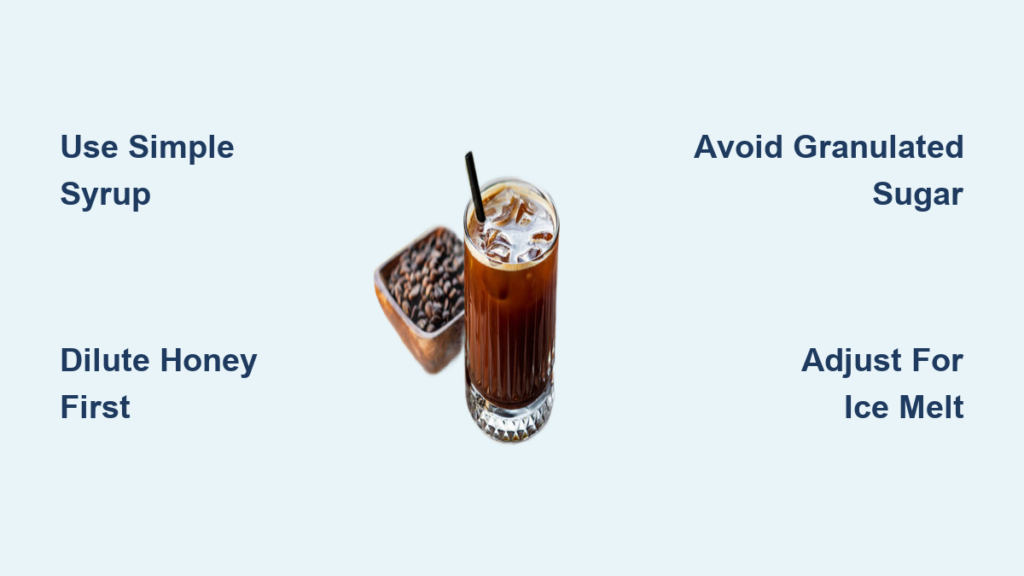
Simple syrup is your cold brew’s best friend because it’s already dissolved in liquid. Made by combining equal parts sugar and water and heating until the sugar melts, simple syrup blends seamlessly into cold coffee without any stirring or waiting. It adds sweetness without graininess and integrates immediately throughout the drink. You can make it at home in minutes or purchase it ready-made, and it works with any type of sugar—white, brown, coconut, or raw—for flavor variations.
Honey requires special handling to avoid clumping. Because honey is viscous and doesn’t dissolve easily in cold liquids, the key is diluting it first. Mix equal parts honey and warm water (not hot—just warm enough to make it pourable) in a jar, shake vigorously, and you’ll have a honey syrup that blends perfectly into cold brew. This method preserves honey’s floral notes while ensuring even distribution throughout your cup.
Maple syrup offers natural caramel notes that complement cold brew’s chocolatey profile. Like honey, pure maple syrup benefits from being thinned slightly before adding to cold coffee. A ratio of one part warm water to one part maple syrup creates a pourable syrup that mixes in easily. Avoid pancake syrups here—they contain cane sugar and corn syrup that won’t deliver the same clean sweetness and can create unwanted texture.
Agave nectar works well but requires dilution for best results. While agave is already liquid, it’s thick enough that it can pool at the bottom of your cup if not properly integrated. Mix one part agave with one part warm water to create an agave syrup that distributes evenly through cold brew. This maintains agave’s low glycemic properties while ensuring consistent sweetness.
Five-Minute Simple Syrup Recipes for Cold Brew
Creating your own flavored syrups opens up endless possibilities for sweetening cold brew while controlling exactly what goes into your cup. These recipes take just minutes to prepare and store well in the refrigerator for weeks.
Classic simple syrup is the foundation for all sweetening. Combine one cup of water with one cup of granulated sugar in a small saucepan over medium heat, stirring occasionally until the sugar completely dissolves—about three to five minutes. Once dissolved, remove from heat and let cool before transferring to a clean jar. This basic syrup works with any coffee and serves as a foundation for flavored variations.
Vanilla bean syrup adds aromatic depth without overpowering. Prepare classic simple syrup as above, but add one vanilla bean (split and scraped) to the saucepan before heating. Let the vanilla infuse while the syrup cools, then strain out the bean pieces. The result adds subtle vanilla notes that enhance rather than mask your coffee’s natural flavors.
Brown sugar cinnamon syrup creates a cozy coffeehouse experience. Make classic simple syrup using brown sugar instead of white sugar, then add one cinnamon stick to the saucepan during heating. After cooling, strain out the cinnamon and store your syrup. This version pairs exceptionally well with cold brew’s natural chocolate notes and creates a drink reminiscent of cinnamon roll flavors.
Lavender honey syrup offers a sophisticated floral sweetness. Combine equal parts honey and water in a jar, add one tablespoon of dried culinary lavender, and let it steep for 30 minutes before straining. The result is a subtly aromatic sweetener that transforms ordinary cold brew into something resembling a specialty café drink.
When to Add Sweetener for Perfect Integration

Adding sweetener directly to cold concentrate before diluting creates the most uniform distribution but requires more sweetener overall. The concentrate’s intensity can mask some sweetness, so you’ll use roughly 20 to 30 percent more than you would when sweetening a finished drink. This method works well if you make large batches of cold brew concentrate—you sweeten once, and every cup that comes from that batch is perfectly balanced.
Sweetening after dilution gives you more control over individual cup sweetness and uses less sweetener overall. Because the coffee is already at its drinking strength, you can taste and adjust more accurately. The trade-off is that you need to stir thoroughly and possibly wait a minute for any simple syrup to distribute fully. Using a sweetener that’s already liquid (like simple syrup or agave nectar mixed with water) minimizes this wait time.
Never add granulated sugar directly to cold brew—it simply won’t dissolve properly regardless of how long you stir. If you only have granulated sugar available, dissolve it in a small amount of warm water first—even just one tablespoon of warm water per tablespoon of sugar makes a dramatic difference in how well it incorporates. This simple step prevents the frustrating experience of sweet coffee at the top of your cup and bitter coffee at the bottom.
Sweetness Ratios That Actually Work
For simple syrup, a good starting point is one tablespoon per eight ounces of cold brew. This produces mild sweetness that enhances without overwhelming. Adjust upward to two tablespoons for a sweeter drink, or downward to half a tablespoon if you prefer just a hint of sweetness. Remember that you can always add more, but you can’t take it out once it’s in your cup.
When using honey or maple syrup, start with half a tablespoon per eight ounces. These sweeteners are naturally more intense than refined sugar, so less achieves similar sweetness levels. Their complex flavors also mean that too much can overpower coffee notes rather than complement them.
Agave nectar and other liquid sweeteners fall between simple syrup and honey in intensity. One tablespoon per eight ounces is a reasonable starting point, with adjustments based on your preference and the specific sweetener’s sweetness level.
The most accurate approach involves tasting and adjusting. Add half your estimated amount of sweetener, stir thoroughly, taste, and decide whether to add more. This iterative process takes just seconds once you develop the habit and prevents both under-sweetened and over-sweetened drinks. Keep in mind that cold brew continues to develop flavor as it warms slightly in your cup, so the perfect sweetness at first sip might taste too strong later.
Avoid These Three Sweetening Mistakes
Using sugar without dissolving it first is the most common error. Granular sugar simply doesn’t dissolve properly in cold liquids, regardless of how long you stir. The result is a drink that starts sweet and progressively loses sweetness as you drink, with visible sugar crystals potentially accumulating at the bottom. Always dissolve sugar in warm water first or use a liquid sweetener.
Over-sweetening happens easily when you’re used to hot coffee. Because cold brew tastes less bitter naturally, many people add their usual amount of sweetener only to find the drink cloyingly sweet. Start with less than you think you need—you can always add more, but you can’t remove excess sweetness once it’s in your cup.
Ignoring the ice factor throws off your sweetness calculations. As ice melts in your cold brew, it dilutes both the coffee and the sweetener. If you’re making a drink meant to be enjoyed over time, account for this by making your initial sweetness slightly stronger, or use less ice to slow the dilution process. Alternatively, try sweetener ice cubes—freeze simple syrup in ice cube trays, then use these cubes instead of regular ice.
Professional Sweetening Techniques for Home Baristas
Taste before sweetening every single time. Cold brew strength varies based on bean type, steeping time, and coffee-to-water ratio. A stronger batch may need more sweetener, while a milder batch needs less. Making tasting a habit ensures every cup is perfectly balanced regardless of batch variations.
Combine sweeteners for complexity. Using two complementary sweeteners often produces more interesting results than using one alone. A tablespoon of simple syrup combined with half a tablespoon of honey, for example, provides sweetness with depth that neither sweetener achieves alone.
Adjust for milk and cream additions. If you take your cold brew with dairy or non-dairy milk, remember that these additions add their own sweetness and richness. You may need 25 to 30 percent less sweetener in a “with cream” version compared to black cold brew.
Store syrups properly for maximum shelf life. Most homemade syrups will keep for 2-4 weeks in the refrigerator when stored in clean, airtight containers. Adding a splash of vodka (about 1 tablespoon per cup of syrup) can extend shelf life by preventing mold growth without significantly affecting flavor.
Mastering how to sweeten cold brew coffee perfectly means enjoying café-quality drinks from the comfort of your own home. By understanding the science behind cold brew’s unique properties and applying these practical techniques, you’ll achieve consistent, perfectly sweetened cold brew every time—no more guessing, no more frustration, just smooth, delicious coffee that tastes exactly how you want it.