That rich, aromatic coffee you enjoy at Italian cafes isn’t magic—it’s science, starting with how you grind coffee beans for moka pot. Many home brewers struggle with bitter over-extraction or weak, sour coffee simply because they’re using the wrong grind size. The moka pot’s unique brewing method demands precision that most standard coffee routines don’t require, and getting the grind right transforms your morning cup from disappointing to divine. Within the first few sentences of this guide, you’ll discover why your current grind approach might be sabotaging your moka pot results.
Unlike drip coffee makers or French presses, the moka pot operates under steam pressure that forces water through coffee grounds in mere minutes. This compressed extraction window means your grind size directly determines whether you’ll enjoy balanced, full-bodied coffee or a bitter mess. Most beginners default to their standard drip grind setting, not realizing that moka pots need something distinctly different—a “Goldilocks zone” between espresso and pour-over. By the end of this guide, you’ll know exactly how to grind coffee beans for moka pot to consistently produce café-quality results at home.
Why Moka Pots Demand Specific Grind Sizes
Moka pots create coffee through steam pressure rather than pump pressure like espresso machines. This fundamental difference means your grind size must accommodate slower water movement through the coffee bed. When you use too fine a grind, water struggles to penetrate the densely packed grounds, resulting in over-extraction that brings out bitter, ashy flavors. Too coarse, and water rushes through without proper extraction, leaving you with weak, sour coffee that lacks the moka pot’s signature intensity.
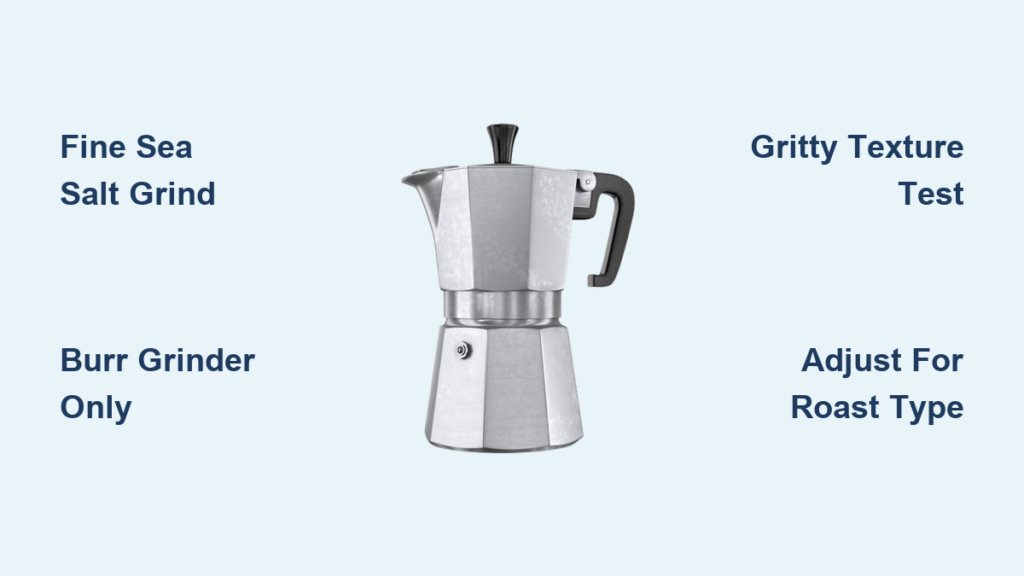
The ideal grind resembles fine sea salt—visible individual particles that feel gritty between your fingers but aren’t powdery. This specific texture creates enough resistance for proper extraction while allowing steam pressure to function as designed. Think of it as creating a filter that’s tight enough to slow water sufficiently but loose enough to prevent clogging. Getting this balance right means the difference between coffee that tastes burnt and coffee that delivers the rich, complex notes your beans contain.
Identifying the Perfect Moka Pot Grind by Sight and Touch
Visual Inspection Techniques for Home Brewers
Hold a small amount of freshly ground coffee against a white background in good lighting. Properly ground moka pot coffee shows uniform particle size without visible powder or large chunks. You should see distinct grains that resemble sand rather than flour. If your grounds look like powdered sugar or contain visible bean fragments, your grind setting needs adjustment. The ideal consistency falls between espresso (which should resemble baby powder) and drip coffee (which looks like coarse sand).
The Critical Finger Test You Should Perform Every Time
Pinch a small amount of ground coffee between your thumb and forefinger, then rub them together. Proper moka pot grind should feel gritty but not sharp, with individual particles that break apart easily. If it feels smooth like flour, it’s too fine. If you can easily see and feel large, distinct pieces, it’s too coarse. When you squeeze a small amount in your palm, it should hold its shape briefly before crumbling when you release pressure—similar to damp beach sand. This simple test takes seconds but prevents brewing disasters.
Selecting Your Grinder: Blade vs. Burr for Moka Pot Success
Why Blade Grinders Sabotage Your Moka Pot Results
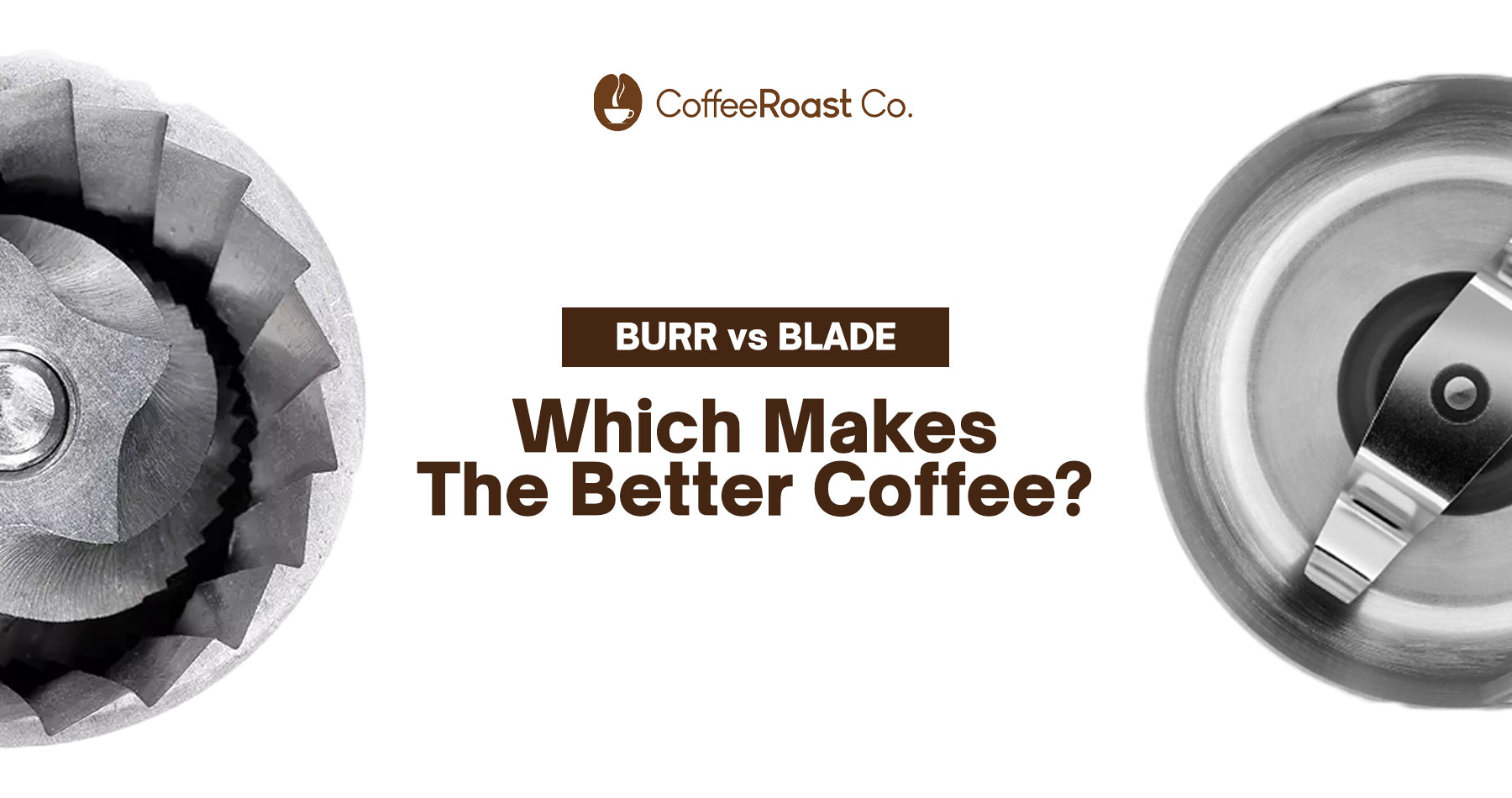
Blade grinders create inconsistent particle sizes through a spinning propeller that chops beans randomly. This produces a mix of fine powder, medium particles, and large chunks—all in the same batch. The fines over-extract while the larger pieces under-extract, resulting in a muddy, unbalanced cup. For moka pot brewing where consistency is critical, blade grinders simply can’t deliver the uniform particle size needed for proper extraction. Save your blade grinder for Turkish coffee or cold brew where inconsistency matters less.
The Only Grinder Type That Delivers Consistent Moka Pot Results
Burr grinders crush beans between two abrasive surfaces, producing uniform particle size essential for moka pot brewing. Conical burr models operate at lower speeds, generating less heat that could damage delicate coffee compounds. Look for grinders with stepped settings (rather than stepless) that make it easier to reproduce your ideal moka pot setting. Start at setting #5 on most grinders (medium-fine), then adjust based on your results. A quality burr grinder represents the single best investment you can make for moka pot perfection.
Step-by-Step Grinding Process for Flawless Results
Pre-Grind Preparation That Most Home Brewers Skip
Always grind beans at room temperature—even slightly cold beans create condensation in your grinder that affects particle consistency. Measure whole beans immediately before grinding using a digital scale (15-18g for 3-cup, 30-35g for 6-cup pots). Never measure ground coffee by volume since density varies significantly. Wipe your grinder’s hopper clean of old oils before each use, as rancid residue contaminates fresh grounds and ruins flavor. These simple steps prevent common inconsistencies that ruin otherwise perfect brews.
The Optimal Grinding Technique for Uniform Particles
Grind in batches no larger than your moka pot requires—overloading your grinder creates uneven results. Listen for a consistent grinding sound; straining or irregular noise indicates you’re pushing your grinder too hard. Stop immediately if you smell burning, as overheating damages both your grinder and coffee quality. For best results, grind for exactly 20-25 seconds per standard moka pot serving. This timing helps maintain consistency across sessions while preventing motor strain. Freshly ground coffee should smell sweet and aromatic, not sharp or burnt.
Troubleshooting Your Moka Pot Grind in Real Time

Fixing Slow Brewing or No Flow Issues
If your coffee barely trickles into the upper chamber or stops completely, your grind is almost certainly too fine. Immediately adjust your grinder to a coarser setting and start fresh—never try to “fix” an already ground batch. For emergency situations, gently break up any clumps in pre-ground coffee with a fork before loading, but this is only a temporary workaround. Proper prevention involves noting your current setting and moving one step coarser next time.
Solving Weak, Sour Coffee in Under 60 Seconds
When your brew tastes thin and acidic despite proper technique, your grind is too coarse. Water’s rushing through without adequate contact time, extracting only the most soluble (and sour) compounds. The fix? Grind finer immediately and verify your grinder’s calibration. Try this quick test: pour a small amount of grounds into a clear glass, add water, and watch how quickly it clears. Cloudy water that clears slowly indicates proper grind size; clear water within seconds means it’s too coarse.
Eliminating Bitter, Ashy Aftertastes Permanently
Bitter coffee usually results from over-extraction caused by too fine a grind combined with over-packing the filter basket. Never tamp or press down on moka pot grounds—just level them gently with your finger. If the problem persists after adjusting grind size, check your water temperature; boiling water extracts more bitter compounds. Start with hot (not boiling) water around 195-200°F for optimal extraction without bitterness.
Roast-Specific Grind Adjustments for Perfect Balance

Dark roast beans need a slightly coarser grind (closer to kosher salt texture) because their porous structure extracts faster. Light and medium roasts require a finer grind to compensate for their denser cellular structure and slower extraction rates. For dark roasts, move your grinder one setting coarser than your standard moka pot setting. For light roasts, go one setting finer but never into true espresso territory. This simple adjustment accommodates the different extraction kinetics of various roast levels while maintaining proper flow rate.
Maintenance Habits That Preserve Grind Consistency
Clean your burr grinder weekly with grinder cleaning tablets or raw rice to absorb oils and prevent buildup. Monthly, disassemble removable parts and brush burrs gently with a soft toothbrush—never use water which can damage precision components. Store beans in an airtight container away from light, heat, and moisture, and grind only what you need immediately before brewing. Whole beans maintain peak freshness for 2-4 weeks, while ground coffee loses 60% of its aromatic compounds within 15 minutes. This simple habit ensures your carefully calibrated grind delivers maximum flavor.
Mastering how to grind coffee beans for moka pot transforms an ordinary morning ritual into a consistently exceptional experience. The perfect grind size—resembling fine sea salt with uniform particle distribution—creates the ideal resistance for proper extraction under steam pressure. By investing in a quality burr grinder, learning to identify proper consistency through sight and touch, and making roast-specific adjustments, you’ll consistently produce rich, balanced coffee that rivals professional cafés.
Remember that perfect moka pot coffee results from precision at every step, with grind size serving as the foundation. When your brew delivers balanced sweetness, full body, and rich complexity without harsh bitterness or unpleasant sourness, you’ve found your ideal grind setting. Document your successful settings and minor adjustments for different beans, and soon you’ll develop an intuitive sense for dialing in perfect results every time. The effort required to master this skill pays dividends in every cup—a rich, aromatic brew that honors this century-old Italian tradition right in your own kitchen.