Your Moccamaster coffee maker delivers exceptional coffee with precise temperature control and consistent extraction—but mineral buildup from hard water can gradually diminish its performance. Over time, limescale accumulates inside the heating element, water reservoir, and internal tubing, leading to longer brew times, inconsistent temperatures, and potentially permanent damage if left untreated. Learning how to descale your Moccamaster coffee maker is essential maintenance that preserves your investment and ensures every cup tastes as brilliant as the day you bought it.
Descaling removes mineral deposits using an acidic solution that dissolves calcium and magnesium buildup. This process takes approximately 45-60 minutes and should be performed every 1-3 months depending on your water hardness and usage frequency. If you’ve noticed your Moccamaster taking longer to brew, producing weaker coffee, or making unusual gurgling sounds, it’s time to tackle that mineral buildup. This guide walks you through everything you need to know, from identifying the signs of scaling to completing a thorough descaling cycle and preventing future buildup.
Recognizing When Your Moccamaster Needs Immediate Descaling

Mineral deposits don’t just affect your coffee’s taste—they impact your machine’s functionality and longevity. Recognizing the early warning signs helps you address scaling before it causes serious problems. Understanding these indicators is crucial because Moccamaster’s precisely engineered components are designed for optimal performance, and even minor scaling can disrupt the delicate balance that creates perfect coffee.
Performance Changes to Watch: Your Moccamaster should complete a full pot in approximately 4-6 minutes. If brewing suddenly takes 8-10 minutes or longer, mineral buildup is restricting water flow through the internal system. Similarly, if you notice the heating element cycling on and off more frequently than normal, or if the coffee temperature seems cooler than usual, scaling is likely interfering with thermal regulation. For KT models with thermal carafes, this is especially critical since proper temperature affects the carafe’s ability to maintain heat. The machine’s thermostat constantly monitors water temperature, and scale acts as an insulator that prevents accurate readings.
Visual and Auditory Clues: Inspect the carafe and brew basket after brewing. Excessive steam, sputtering during the brew cycle, or water pooling in unexpected places all indicate restricted flow paths. You might also notice white or chalky residue around the drip opening or inside the water reservoir. Some Moccamaster models feature a descaling indicator light that illuminates when the machine detects reduced flow efficiency—this is your built-in reminder that maintenance is due. If you hear a high-pitched whining sound from the pump or notice water dripping from the base, these are urgent signs requiring immediate descaling attention.
Taste and Aroma Shifts: Even before performance issues appear, your coffee may reveal scaling problems. A bitter or metallic undertone, reduced body in the cup, or inconsistency between batches often signals that mineral deposits are affecting extraction. If your coffee suddenly tastes flat or lacks the brightness it once had, descaling should be your first troubleshooting step. For specialty coffee enthusiasts using single-origin beans, scaling can mask delicate flavor notes that Moccamaster’s precise brewing normally highlights. Pay particular attention to changes in acidity perception, as mineral buildup often amplifies harsh acidic notes while muting balanced flavors.
Essential Supplies for Proper Moccamaster Descaling
Before starting, you’ll need products and tools that safely remove mineral buildup without damaging your Moccamaster’s internal components. Using the wrong solutions can void your warranty or corrode seals and tubing. The right supplies make the difference between effective maintenance and potential damage to your precision coffee equipment.
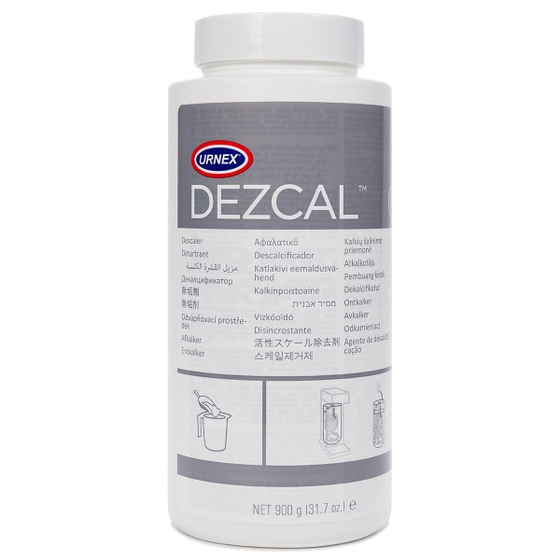
Commercial Descaling Solutions: Moccamaster recommends their own descaling solution, which is formulated specifically for their machines and won’t damage internal heating elements or sensors. Third-party descaling products like Dezcal or Urnex Descaler also work well and are widely available at coffee shops and online retailers. These citric-acid-based solutions are safe for your Moccamaster and effectively dissolve calcium carbonate deposits. For KT models with copper heating elements, citric acid solutions are particularly important as they won’t corrode metal components like vinegar potentially can. Most commercial descalers come with precise measuring tools to ensure proper dilution.
White Vinegar Alternative: If you prefer household solutions, white distilled vinegar can descale your Moccamaster, though it requires more thorough rinsing to eliminate residual taste. Use a 1:1 ratio of vinegar to water for light scaling, or undiluted vinegar for heavy buildup. Be aware that vinegar’s acetic acid is less effective than citric acid at dissolving mineral deposits, and repeated use can erode rubber seals over time. Vinegar also has a stronger odor that requires additional rinse cycles—typically 3-4 instead of the standard 2. If you choose vinegar, make sure it’s 5% acidity white distilled vinegar; avoid apple cider or other varieties that could leave residue.
Essential Tools and Materials: You’ll need a large carafe or heat-safe container to catch the descaling solution during the brew cycle, a soft cloth for exterior cleaning, fresh water for rinsing, and optionally a funnel to refill the water reservoir without spillage. Keep paper towels nearby for quick cleanup. Remove any permanent gold or reusable filters before beginning, as descaling solution can discolor these components. For models with glass carafes, have a spare container ready as you’ll need to run multiple rinse cycles. A small soft-bristled brush is helpful for cleaning the spray head and any visible mineral deposits in hard-to-reach areas.
Preparing Your Moccamaster for Effective Descaling
Proper preparation ensures the descaling solution reaches all affected areas and prevents mess during the process. Taking a few minutes to set up correctly makes the entire procedure smoother and more effective. This preparation phase is critical because Moccamaster’s internal pathways are precisely engineered, and incomplete preparation can leave scaling in critical areas.
Cool and Clean the Exterior: Ensure your Moccamaster has been off for at least 30 minutes before beginning, allowing internal components to cool completely. Wipe down the exterior with a damp cloth to remove coffee oils, dust, or residue that could fall into internal areas during maintenance. Remove the carafe, filter basket, and any accessories, setting them aside for separate cleaning. Pay special attention to the area around the water reservoir opening, as coffee grounds and mineral deposits often accumulate here and can interfere with the descaling process.
Empty and Inspect the Reservoir: Drain any remaining water from the reservoir into the sink. Take a moment to inspect the reservoir interior—if you can see visible scaling or mineral deposits on the walls, you’ll know descaling is definitely needed. Check the spray head (the small component that distributes water over the coffee grounds) and clean any debris or buildup with a soft brush. This ensures even descaling solution distribution during the cycle. For models with removable reservoirs, take this opportunity to thoroughly clean the reservoir exterior and the area where it sits in the machine.
Position for Draining: Place your empty carafe or a large heat-safe container on the warming plate where the carafe normally sits. The descaling solution will flow through the machine exactly as water would during brewing, so position your collection vessel to catch all liquid. If you’re using a container smaller than a full carafe, be prepared to switch containers mid-cycle as the reservoir empties. For thermal carafe models, ensure your collection container can handle potential hot liquid, as the heating element may activate during the cycle.
Executing the Descaling Process for Maximum Effectiveness
With your solution mixed and machine prepared, it’s time to run the descaling cycle. This process simulates a normal brew, allowing the solution to flow through all internal components while dissolving mineral deposits. Following these precise steps ensures thorough descaling without damaging your machine’s sensitive components.
Start the Brew Cycle: Turn on your Moccamaster as you would for a normal brew. The heating element will activate, pushing the descaling solution through the system at the same rate as hot water. You’ll notice the solution emerging from the spray head and dripping into your collection container—it may appear cloudy or discolored as it carries dissolved mineral deposits through the system. For models with copper boilers, the solution may turn blue-green as it reacts with mineral deposits—a normal reaction that indicates effective descaling.
Pause and Soak if Needed: For machines with significant scaling, you might benefit from pausing mid-cycle to allow extended contact time. Simply turn off the machine and let the solution sit in the reservoir and internal tubing for 15-20 minutes before resuming. This soaking action gives the acid more time to break down stubborn deposits, particularly in the heating element and hard-to-reach tubing. During this soak time, gently swirl the solution in the reservoir occasionally to ensure coverage of all interior surfaces.
Complete the Full Cycle: Allow the entire reservoir to empty through the brew cycle, which typically takes as long as a normal pot of coffee—approximately 4-6 minutes. You may notice sputtering, gurgling, or irregular flow as the solution works through constricted passages. This is normal and indicates the descaling action is occurring. Once the reservoir is empty and no more liquid flows through, turn off the machine. For heavily scaled machines, consider repeating the descaling cycle with fresh solution to ensure complete mineral removal.
Ensuring Complete Rinse Cycles After Descaling

Residue from descaling solution can affect coffee flavor and potentially damage your machine if not completely removed. Thorough rinsing is non-negotiable for safe operation. Many Moccamaster users skip adequate rinsing, which leads to off-flavors in subsequent brews and potential long-term damage.
Initial Fresh Water Rinse: Remove your collection container and replace it with the empty carafe. Fill the reservoir with fresh, cold water—no descaling solution—and run a complete brew cycle. This first rinse carries remaining mineral deposits and loose scaling debris out of the system. You might notice the rinse water appearing slightly cloudy or showing faint discoloration; this is normal and indicates residual buildup being flushed out. For KT models with thermal carafes, make sure the carafe is completely empty before starting rinse cycles.
Repeat Rinse Cycles: For vinegar descaling or machines with heavy scaling, perform 2-3 additional fresh water rinse cycles before making coffee. Each cycle should produce progressively clearer water with no visible particles or discoloration. If your coffee tastes vinegary or has an unfamiliar aftertaste, continue rinsing until the water runs completely clear and tasteless. A good test is to smell the rinse water—if you detect any vinegar or chemical odor, run another cycle.
Clean External Components: While the rinsing cycles run, wash the carafe, filter basket, and any removable accessories with warm, soapy water. Scrub away any mineral deposits that may have collected in the spray head or other small openings using a soft brush. Rinse these components thoroughly and dry them before reassembling your Moccamaster. For thermal carafes, avoid using abrasive cleaners that could damage the vacuum insulation.
Maintaining Your Moccamaster for Long-Term Performance
Preventing mineral buildup reduces how often you need to descale and protects your Moccamaster from the long-term effects of scaling. Implementing these habits keeps your machine running optimally and preserves its precision engineering. Moccamaster’s reputation for durability comes from proper maintenance, not just quality construction.
Use Filtered or Bottled Water: The single most effective way to reduce scaling is improving your water quality. Hard water with high mineral content deposits calcium and magnesium rapidly, while filtered or bottled water significantly reduces scaling rates. Consider a whole-house water filter if your tap water consistently shows high hardness levels, or use a pitcher filter for the water you add to your Moccamaster. Water with 3-5 grains of hardness requires descaling every 2 months, while water over 8 grains needs monthly attention.
Empty the Reservoir Between Uses: Leaving water sitting in the reservoir allows minerals to settle and concentrate, accelerating scale formation. After each use, empty any remaining water and leave the reservoir open to air dry. This simple habit prevents the stagnation that leads to rapid mineral accumulation and keeps your machine ready for its next brew. For daily users, consider filling the reservoir only with the amount of water needed for that day’s brewing.
Descale on a Regular Schedule: Rather than waiting for performance issues or indicator lights, descale preventively every 2-3 months with regular water, or monthly if you have very hard water. This proactive approach maintains optimal brewing conditions, prevents the stubborn buildup that requires intensive cleaning, and extends your machine’s lifespan significantly. Set calendar reminders based on your water hardness test results for consistent maintenance.
When you follow these precise descaling procedures, your Moccamaster will continue delivering the exceptional coffee it was designed to produce. The machine’s precision engineering responds dramatically to proper maintenance—expect restored brew times, consistent temperatures, and coffee that tastes as vibrant as when you first unboxed your Moccamaster. By recognizing scaling signs early, using appropriate solutions, and implementing preventive habits, you’ll enjoy exceptional coffee for years to come. Mark your calendar for quarterly maintenance, use quality water, and your Moccamaster will reward you with perfect cups morning after morning.