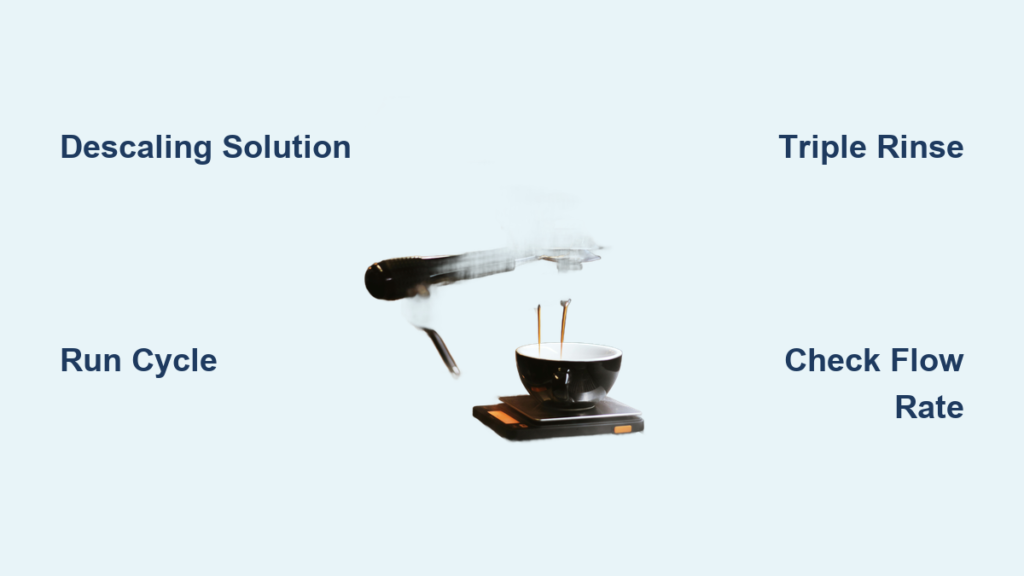
Mineral buildup silently sabotages your coffee maker’s performance, turning what should be a perfect espresso into a disappointing, weak brew. If your cafe’s coffee machine is producing slower extractions, unusual noises, or inconsistent temperatures, hard water deposits are likely clogging critical components. This comprehensive guide delivers the exact steps professional baristas use to restore optimal performance to commercial coffee equipment. By following these descaling procedures, you’ll extend your machine’s lifespan, maintain flavor quality, and avoid costly service calls—keeping your cafe running smoothly with minimal downtime.
Why Regular Descaling Prevents Costly Cafe Downtime
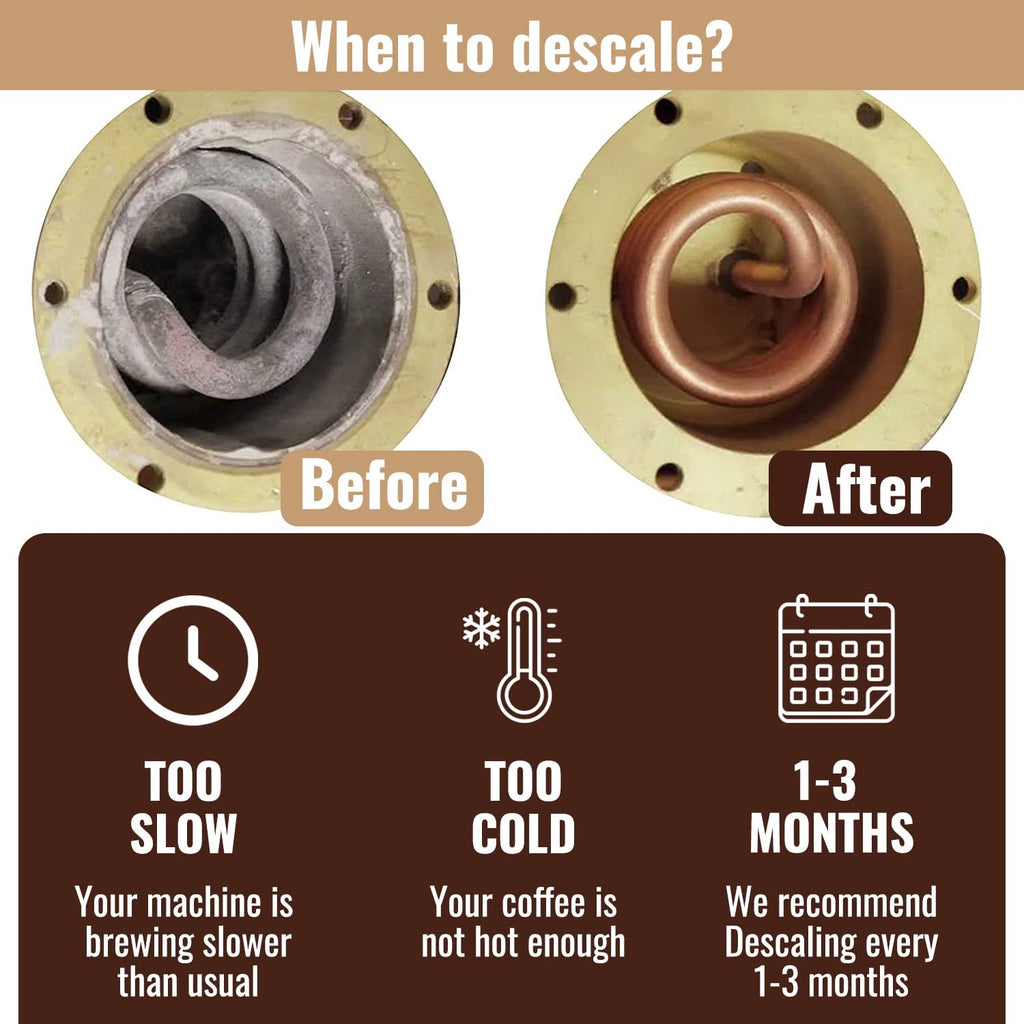
Hard water minerals accumulate in heating elements, boilers, and water pathways with every use, gradually reducing efficiency and potentially causing permanent damage. Commercial coffee makers in high-volume cafes typically require descaling every 1-2 months depending on water hardness and usage volume. Neglecting this maintenance creates multiple operational problems: reduced water flow extends extraction times, mineral-coated heating elements struggle to maintain proper temperature, and eventually, complete system failure can shut down your entire coffee service during peak hours. The good news is that a proper descaling routine takes less than 30 minutes and prevents thousands in premature equipment replacement costs.
Recognizing Critical Mineral Buildup Warning Signs
Your coffee machine communicates when it needs descaling through several unmistakable indicators. Watch for these red flags that demand immediate attention:
- Slower than normal water flow through group heads or steam wands
- Temperature fluctuations causing inconsistent espresso shots
- Visible white or chalky deposits around water outlets
- Unusual gurgling or knocking sounds from the boiler
- Error codes specifically related to water flow or temperature
How Water Hardness Determines Your Descaling Schedule
Cafes in hard water regions face accelerated mineral buildup that requires more frequent maintenance. Test your water hardness using simple test strips available at hardware stores—results measured in grains per gallon (GPG) determine your ideal schedule:
| Water Hardness | Descaling Frequency | Daily Usage Threshold |
|---|---|---|
| Soft (0-3 GPG) | Every 3-4 months | 50+ shots |
| Moderate (4-7 GPG) | Every 2 months | 50+ shots |
| Hard (8-10+ GPG) | Monthly | 50+ shots |
Cafes exceeding 100 shots daily should reduce these intervals by 25-30% regardless of water hardness readings.
Professional-Grade Descaling Supplies for Cafe Equipment
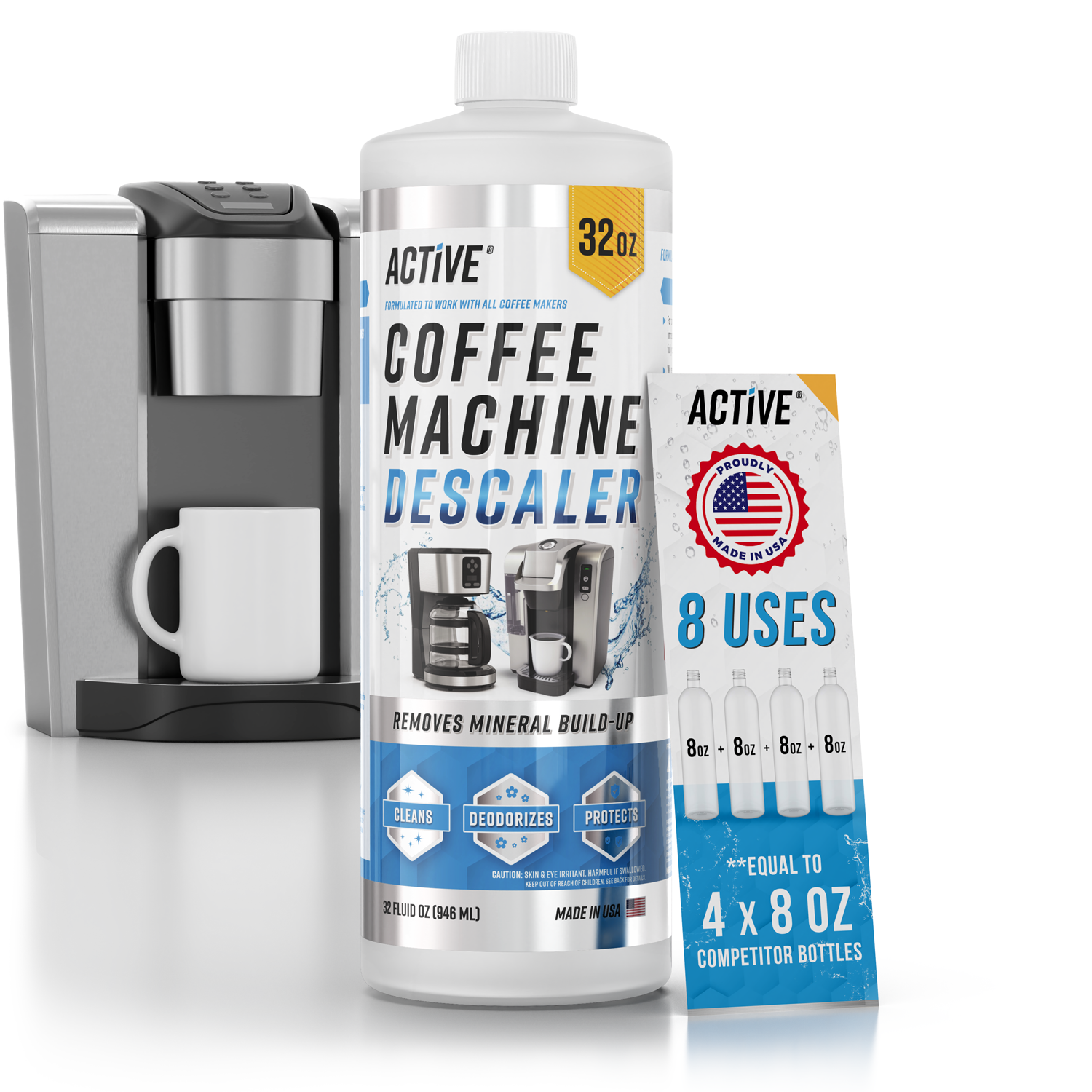
Using the wrong descaling solution can damage expensive commercial equipment. Specialty coffee machine manufacturers specifically formulate descalers to remove mineral deposits without harming stainless steel boilers, brass fittings, or rubber gaskets. Never substitute household vinegar in commercial machines—it lacks the proper pH balance and can leave behind flavors that taint coffee for weeks.
Essential Tools for Efficient Cafe Machine Descaling
- Commercial-grade descaling solution (Citric acid-based recommended)
- Clean 1-gallon container for solution mixing
- Replacement group head gaskets (on hand during maintenance)
- Small brush for portafilter basket cleaning
- Microfiber cloths (lint-free)
- Funnel with narrow spout
- Timer or smartphone app
Why Specific Descalers Matter for Commercial Machines
Citric acid-based descalers work effectively on calcium carbonate deposits while being gentler on metal components than aggressive descaling powders. For machines with aluminum boilers (less common in modern commercial units), strictly follow manufacturer recommendations as some descalers can cause corrosion. Always verify compatibility with your specific machine model—what works for a Nuova Simonelli may damage a La Marzocco.
Step-by-Step Descaling Procedure for Commercial Espresso Machines
Follow this precise sequence to thoroughly descale your cafe’s espresso equipment without causing damage. The entire process takes approximately 25 minutes with 5 minutes of active work—perfect for completing during opening or closing routines.
Preparing the Descaling Solution Correctly
Mixing improper concentrations damages equipment or fails to remove buildup. For most commercial machines:
- Measure exactly 60g (2 ounces) of descaling powder per 1 liter of water
- Dissolve powder completely in warm water before pouring into reservoir
- Never use hot water for mixing as it reduces solution effectiveness
- Prepare fresh solution immediately before use—don’t store mixed batches
Executing the Descaling Cycle Without Damage
Commercial machines require specific activation procedures that differ from home models:
- Power on machine but do not heat up to operating temperature
- Fill reservoir with prepared solution (never pour directly into water inlet)
- Activate descaling mode through service menu (consult manual for model-specific steps)
- Run solution through all group heads and steam wands in 30-second intervals
- Allow 10-minute dwell time between cycles for maximum mineral dissolution
- Complete 3 full circulation cycles before rinsing
Critical mistake to avoid: Never let descaling solution sit in the machine overnight—this causes component corrosion. Always follow with thorough rinsing immediately after descaling completes.
Post-Descaling Verification and Performance Testing
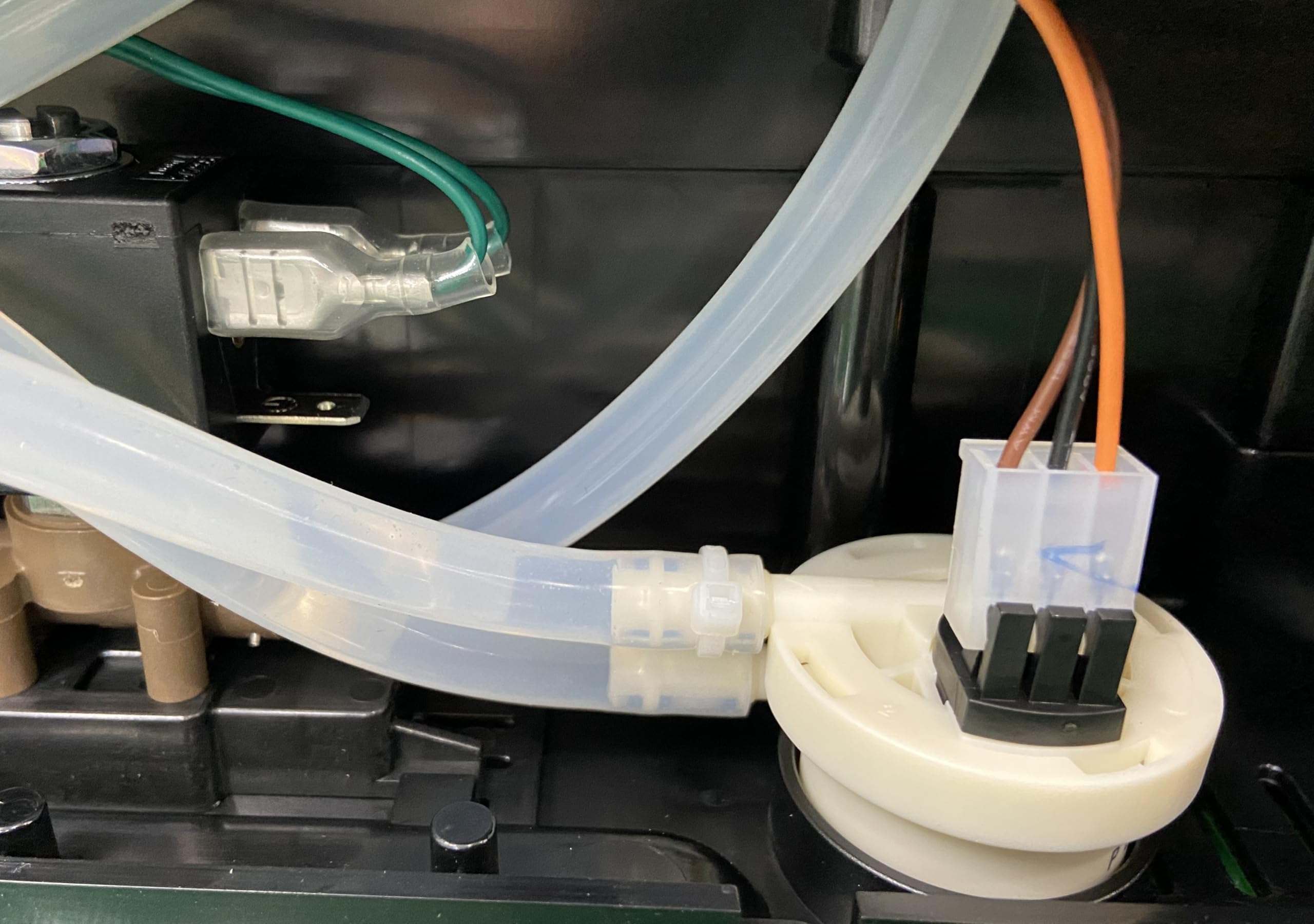
Rinsing incompletely leaves descaling residue that affects coffee flavor for days. Professional cafes verify complete descaling through these quality control steps:
Triple-Rinse Protocol for Flavor Protection
- First rinse: Run plain water through all outlets until solution scent disappears (5-7 minutes)
- Second rinse: Brew 3 blank shots through each group head without coffee
- Final verification: Steam milk—any chemical taste indicates incomplete rinsing requiring additional cycles
Performance Metrics to Confirm Successful Descaling
Compare pre- and post-descaling measurements to verify effectiveness:
– Water flow rate should increase by 25-40%
– Boiler recovery time decreases noticeably
– Temperature stability improves within ±0.5°F
– Pressure gauge shows consistent 9 bars during extraction
Preventative Maintenance Strategies Between Descaling Cycles
Smart cafes implement these daily practices to minimize mineral accumulation between full descaling procedures:
Water Filtration Systems That Actually Work
Install a three-stage filtration system specifically designed for commercial coffee equipment:
– Sediment pre-filter (5 micron)
– Carbon block filter for chlorine removal
– Scale inhibition stage (not just softening)
Replace filters according to manufacturer schedule—never extend beyond recommended intervals as exhausted filters accelerate scaling.
Daily Habits That Extend Descaling Intervals
- Backflush group heads with blind basket after closing
- Run fresh water through steam wands immediately after milk use
- Empty and refill water reservoir daily (stagnant water accelerates scaling)
- Wipe exterior surfaces with damp cloth to prevent mineral crust formation
When to Call a Professional Service Technician
While routine descaling is manageable for cafe staff, certain situations require expert intervention:
- Persistent error codes after proper descaling
- Visible leaks from boiler connections
- Complete loss of water pressure
- Burning smells during operation
- Manufacturer warranty requires certified service
Attempting repairs beyond basic maintenance voids warranties and risks catastrophic equipment failure during service.
Final Note: Consistent descaling preserves your cafe’s coffee quality and prevents emergency breakdowns during rush hours. Implement this routine monthly in hard water areas or every two months elsewhere, adjusting based on your water test results. Keep descaling supplies stocked behind the bar so staff can perform this quick maintenance during natural workflow pauses. Your customers will taste the difference in every perfectly extracted shot, and your repair bills will reflect the wisdom of this simple preventive practice. For model-specific variations, always consult your equipment manual as procedures differ between major commercial brands like Slayer, Synesso, and Victoria Arduino.