You’ve probably heard of luwak coffee – often marketed as the world’s most expensive coffee, selling for hundreds of dollars per pound. But before you brew those precious beans, you need to understand this isn’t your ordinary morning cup. Genuine luwak coffee (also known as kopi luwak) comes from coffee cherries eaten and partially digested by civet cats, a process that’s sparked significant ethical concerns in the coffee industry. If you’ve acquired authentic luwak coffee beans and want to prepare them properly, this guide will walk you through the specialized brewing process while addressing the critical ethical considerations you must understand before proceeding.
The rising popularity of luwak coffee has led to widespread animal welfare issues, with civets often kept in cruel cage conditions to mass-produce this controversial beverage. Before learning how to brew luwak coffee, you should know that many specialty coffee associations and ethical consumers now avoid it entirely. If you’ve already purchased luwak coffee beans, this guide will help you prepare them correctly while providing essential context about why many coffee experts recommend choosing alternative premium coffees instead. You’ll learn proper brewing techniques specific to these unique beans, how to identify ethically sourced options (if they exist), and why your brewing method significantly impacts the final flavor profile of this distinctive coffee.
Why Luwak Coffee Requires Special Brewing Techniques

Luwak coffee beans undergo enzymatic changes during the civet’s digestive process that alter their chemical composition. This natural fermentation affects both the flavor compounds and the physical structure of the beans, requiring specific brewing approaches to achieve the best results without wasting this expensive product. Unlike regular coffee beans that benefit from standard brewing parameters, luwak beans respond differently to water temperature, extraction time, and grind size due to their modified protein structure.
How Digestion Changes Bean Chemistry for Brewing
The civet’s digestive enzymes break down coffee proteins that typically contribute to bitterness in regular coffee. This chemical transformation means luwak coffee generally requires lower water temperatures during brewing to prevent extracting unwanted flavors that weren’t present in the original bean structure. The partial fermentation also makes the beans more fragile, so grinding requires special attention to avoid creating fines that can lead to over-extraction.
Identifying Genuine Luwak Beans Before Brewing
Before you even consider brewing luwak coffee, verify you have authentic beans. Most commercially available “luwak coffee” is counterfeit. Genuine wild-sourced luwak beans show distinctive characteristics:
– Irregular, slightly swollen shape from partial digestion
– Lighter weight compared to regular coffee beans
– Subtle earthy aroma even before roasting
– Visible digestive residue in the bean crevice
If your beans look perfectly uniform or have no distinctive characteristics, they’re likely regular beans fraudulently labeled as luwak coffee, making specialized brewing unnecessary.
Ethical Considerations Before Brewing Luwak Coffee
Why Many Coffee Experts Avoid Luwak Coffee Entirely
The modern luwak coffee industry has become synonymous with animal cruelty. Most civets are kept in battery-cage conditions, force-fed only coffee cherries (which isn’t their natural diet), and suffer severe stress and health problems. The Specialty Coffee Association and numerous coffee certifications explicitly discourage purchasing luwak coffee due to these welfare concerns. Before brewing, consider whether supporting this industry aligns with your values, as your purchasing decision directly impacts the continuation of these practices.
Recognizing “Ethical” Luwak Coffee Marketing Claims
Some producers claim “ethical” or “wild-sourced” luwak coffee, but verification is nearly impossible. Truly ethical luwak coffee would be:
– Collected from wild civet droppings in coffee-growing regions
– Traceable through documented collection routes
– Certified by independent animal welfare organizations
– Priced significantly higher than even premium specialty coffee
Unfortunately, the market is flooded with fraudulent “ethical” claims, making genuine ethical luwak coffee exceptionally rare and difficult to verify.
Proper Brewing Methods for Luwak Coffee
Optimal Water Temperature for Luwak Coffee Extraction
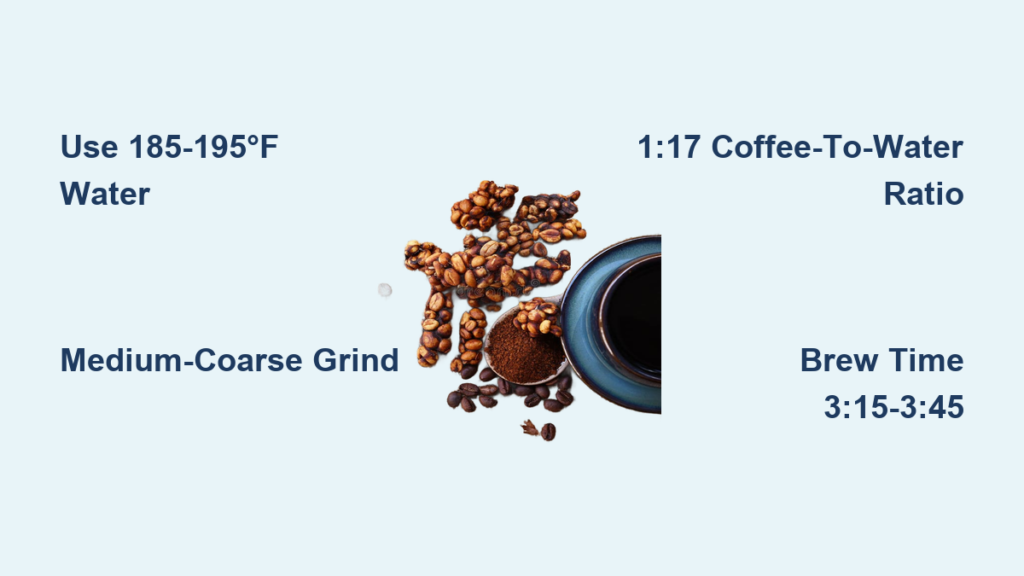
Brew at 185-195°F (85-90°C), not the standard 200°F (93°C) used for regular coffee. The enzymatic changes in luwak beans make them more susceptible to scalding at higher temperatures, which brings out unpleasant flavors that contradict the smooth profile luwak coffee is known for. Use a gooseneck kettle with a thermometer to maintain precise temperature control throughout the brewing process.
Ideal Grind Size and Consistency for Luwak Beans
Luwak coffee requires a medium-coarse grind, slightly coarser than standard pour-over coffee. The partially broken-down bean structure extracts faster, so finer grinds lead to over-extraction. Use a high-quality burr grinder on the setting between French press and standard pour-over. The beans’ fragility means blade grinders often create too many fines – always use a burr grinder for consistent particle size.
Correct Coffee-to-Water Ratio for Premium Luwak Beans
Use a 1:17 ratio (1 gram coffee to 17 grams water) rather than the standard 1:15-1:16 for specialty coffee. The unique composition of luwak beans means they extract differently, and this slightly weaker ratio prevents overwhelming your palate with concentrated flavors that might mask the subtle notes luwak coffee is prized for. For a standard 12-ounce (350ml) cup, use 20.5 grams of coffee to 350 grams of water.
Step-by-Step Brewing Process for Exceptional Luwak Coffee
Preparing Your Equipment Before Brewing
Gather these specific items before starting:
– Gooseneck kettle with temperature control
– Medium-coarse ground luwak coffee (freshly ground 30 seconds before brewing)
– Pre-heated ceramic or glass pour-over cone
– #4 paper filter (rinse with hot water first)
– Digital scale accurate to 0.1g
– Timer
– Pre-warmed serving vessel
Critical step: Discard any beans with visible mold or unusual odors – compromised luwak beans can produce harmful compounds when brewed.
Perfect Pour-Over Technique for Luwak Coffee
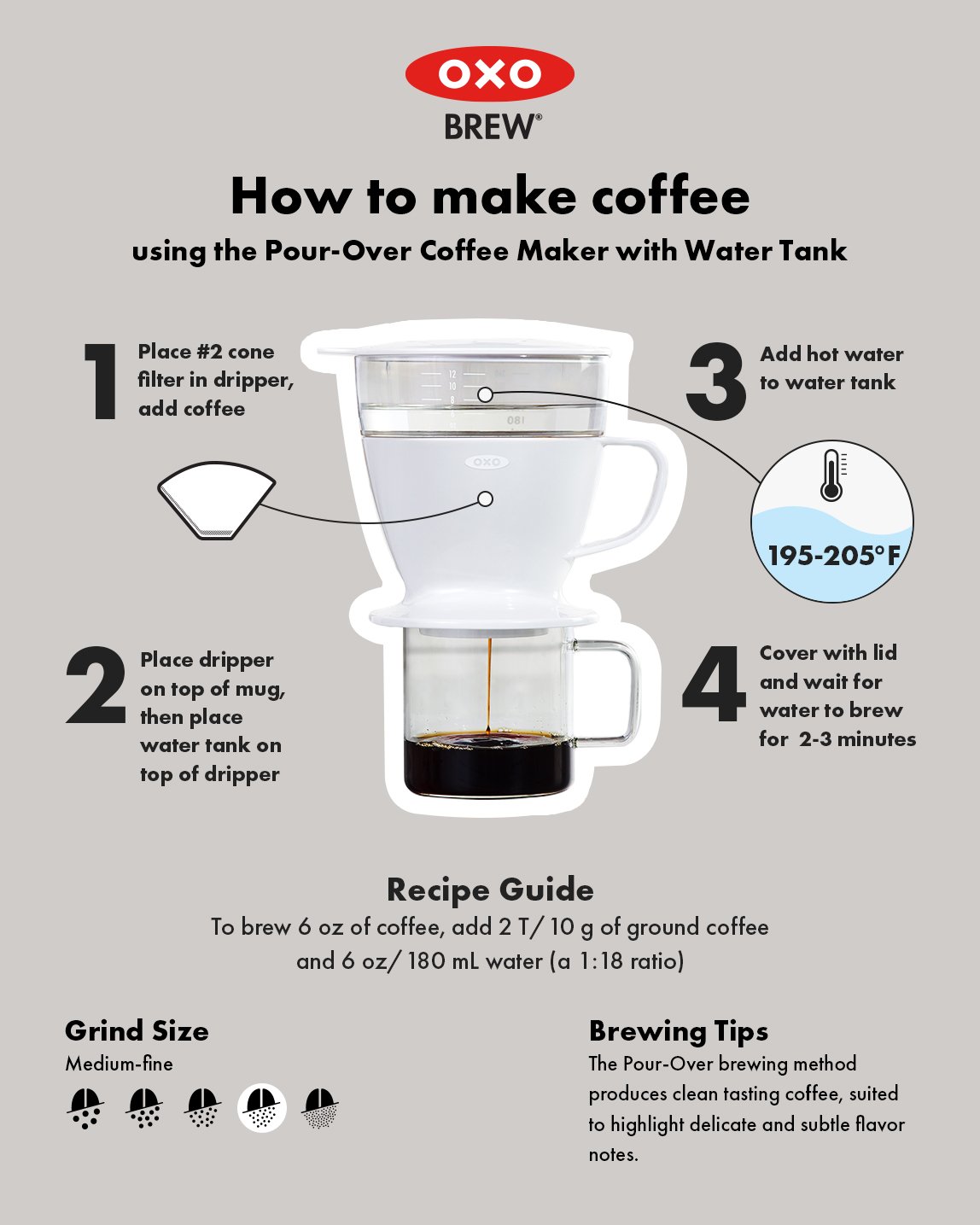
- Place your rinsed filter in the cone and add 20.5g of medium-coarse ground luwak coffee
- Start timer and begin with a 45g bloom pour over 30 seconds (just enough to saturate grounds)
- Wait 45 seconds for degassing – luwak beans often produce a less vigorous bloom
- Pour in slow, steady spirals to reach 200g total water at 1:30
- Continue pouring to 350g total water by 2:45
- Allow coffee to fully drain (total brew time should be 3:15-3:45)
Pro tip: If the brew seems too weak despite proper ratios, reduce your grind size slightly rather than increasing coffee amount – luwak beans respond better to extraction adjustments through grind than ratio changes.
Troubleshooting Common Luwak Coffee Brewing Problems

Why Your Luwak Coffee Tastes Bitter Despite Proper Technique
If your carefully brewed luwak coffee tastes unexpectedly bitter, check these factors:
– Water temperature exceeded 195°F during brewing
– Grind size too fine for the bean’s altered structure
– Over-extraction from brew time exceeding 4 minutes
– Beans were roasted too dark (luwak coffee should be light to medium roast)
Solution: Lower your water temperature by 5°F increments and adjust grind size coarser until bitterness subsides. Never brew luwak coffee with boiling water – the delicate flavor compounds break down rapidly above 200°F.
Why Your Luwak Coffee Lacks the Expected Smoothness
Authentic luwak coffee should have remarkable smoothness with low acidity. If your brew lacks this signature characteristic:
– Beans may be counterfeit or improperly processed
– Water quality might be affecting extraction (use filtered water with 150ppm minerals)
– Brewing equipment could be imparting flavors (avoid plastic components)
– Beans might be stale (luwak coffee degrades faster than regular coffee)
Critical note: If your “luwak coffee” tastes like regular coffee with no distinctive characteristics, it’s almost certainly not genuine. Most commercially available luwak coffee is fraudulent.
Responsible Alternatives to Brewing Luwak Coffee
Premium Specialty Coffees With Similar Flavor Profiles
Many exceptional specialty coffees offer comparable smoothness without ethical concerns:
– Anaerobic natural processed Geishas from Panama
– High-elevation Ethiopian Yirgacheffes with extended fermentation
– Certain Indonesian Mandhelings processed using wet-hulling
– Rare Liberica varieties from the Philippines
These alternatives provide complex, smooth profiles through ethical processing methods that don’t involve animal exploitation.
How to Support Coffee Communities Without Supporting Animal Cruelty
Instead of purchasing luwak coffee, consider:
– Buying directly from cooperatives practicing bird-friendly shade growing
– Choosing coffees certified by Fair Trade, Rainforest Alliance, or Bird Friendly
– Supporting producers using innovative fermentation techniques
– Participating in coffee subscription services focused on ethical sourcing
Your coffee dollar has significant impact – directing it toward transparent, ethical producers creates positive change in coffee-growing communities without supporting animal welfare violations.
Final Brewing Tips and Ethical Considerations
If you’ve brewed your luwak coffee and found it lacking the extraordinary qualities promised, you’ve likely encountered the reality that most luwak coffee is either counterfeit or of questionable ethical origin. The most important step after brewing isn’t about the cup itself, but considering whether you’ll purchase this product again. The coffee industry has made tremendous strides in producing exceptional, ethically sourced coffees that don’t require animal exploitation. Your brewing skills would be better applied to these alternatives, which offer equally remarkable (and often more consistent) flavor experiences without the ethical baggage.
Remember that the true mark of coffee expertise isn’t accessing rare, controversial products, but understanding and appreciating the complex journey from seed to cup through ethical channels. As you continue your coffee journey, focus on developing your palate with transparently sourced specialty coffees that support both exceptional flavor and human dignity in coffee-growing communities worldwide.