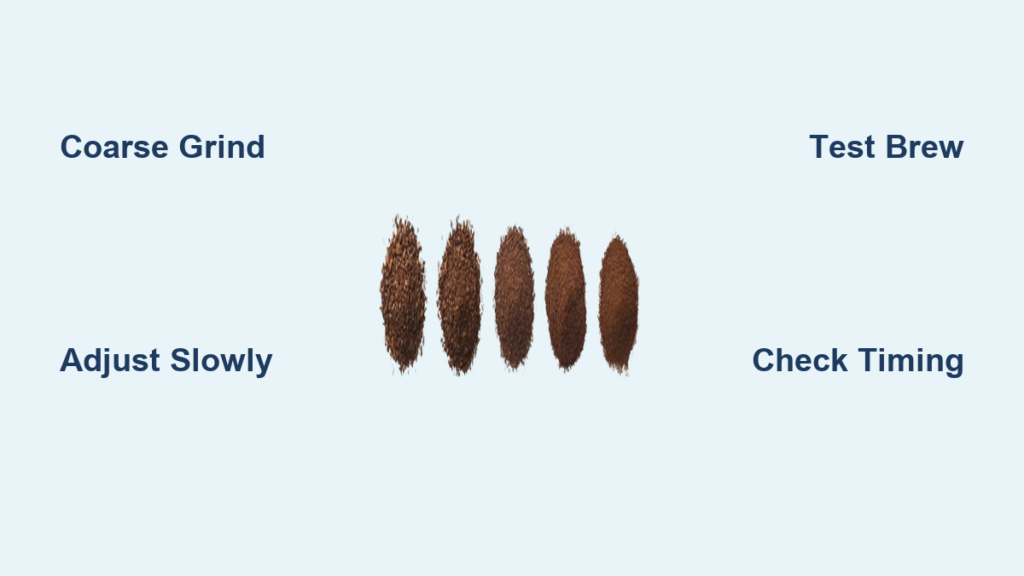
Bitter coffee can ruin your morning ritual before it even begins. That harsh, astringent flavor that lingers on your palate signals something’s wrong in your brewing process—and more often than not, the culprit is your coffee grind size. The good news is that bitter coffee is typically one of the easiest problems to solve once you understand how extraction works. By making simple adjustments to your grinder, you can transform that unpleasant bitterness into a smooth, balanced cup that highlights your coffee’s natural sweetness rather than its harsh elements.
When coffee tastes bitter, it’s usually a sign of over-extraction—meaning too many of the bitter compounds in your beans have dissolved into your brew. Grind size directly controls how quickly water extracts these compounds, making it your most powerful tool for fixing bitterness. Whether you’re using a basic blade grinder or a precision burr model, learning to adjust your grind properly puts you back in control of your coffee’s flavor profile. This guide will show you exactly how to diagnose and correct bitter coffee through strategic grind adjustments.
Why Your Coffee Grind Creates Bitterness
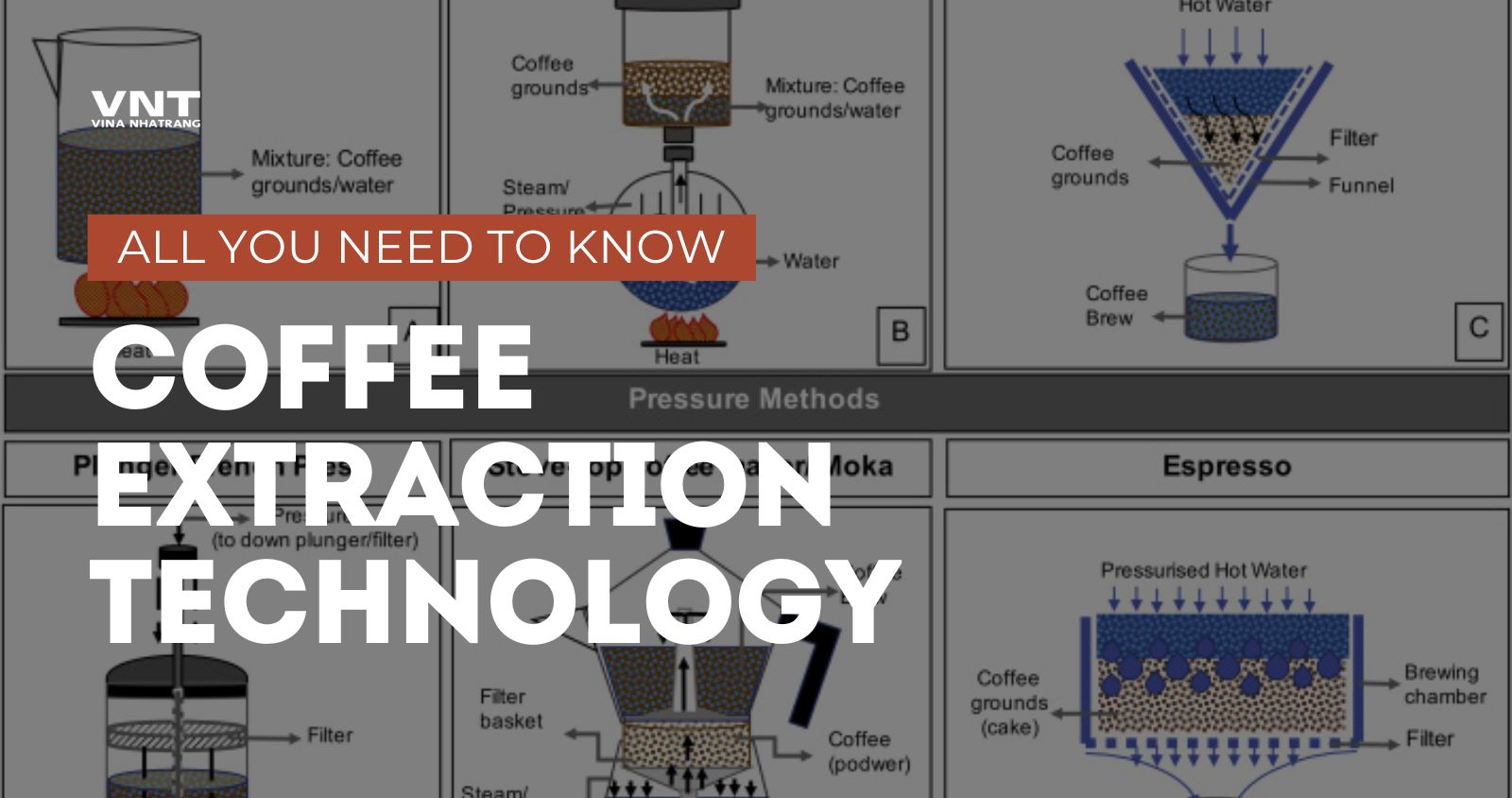
Coffee beans contain hundreds of different chemical compounds that extract at varying rates during brewing. The desirable sweet, acidic, and aromatic elements dissolve first, while bitter compounds like tannins and certain polyphenols emerge later in the extraction process. When your coffee tastes bitter, it means water has remained in contact with the grounds long enough to pull out these undesirable bitter elements.
Grind size dramatically affects this extraction timeline because finer grinds expose significantly more surface area to water than coarser grinds. Consider the difference between a single coffee bean and the same bean ground into powder—there’s exponentially more surface for water to interact with in the ground version. This increased surface area accelerates extraction, often to the point where bitter compounds dominate your cup.
When you brew with a grind that’s too fine for your method, water extracts those bitter compounds much faster than intended. For example, a grind suitable for espresso might produce bitter coffee in a French press because the extended contact time allows over-extraction. Understanding this relationship between grind size and extraction speed is the first step toward fixing bitter coffee.
Diagnosing Bitter Coffee vs. Other Problems
Before adjusting your grind, confirm that bitterness is truly your issue rather than sourness or weakness. Bitter coffee creates a drying sensation on your tongue and palate—it feels astringent and coats your mouth, similar to strong black tea or unripe fruit. This differs from sour coffee, which tastes sharp, acidic, and underdeveloped, often with citrus-like notes.
Take note of your brewing variables to identify contributing factors. Has your brew time increased due to a clogged filter or slower pour rate? Longer contact time can cause over-extraction even with proper grind size. Water temperature matters too—water above 205°F extracts bitter compounds more aggressively. Also consider recent changes to your beans: darker roasts naturally contain more bitter compounds, while stale beans often develop amplified bitterness regardless of your brewing parameters.
If you’ve recently switched to a new coffee roaster or tried a different roast level, this could explain the bitterness. Lighter roasts typically require finer grinds to achieve proper extraction, while darker roasts often need coarser settings to prevent bitterness. Accurate diagnosis ensures you’re addressing the real problem rather than making unnecessary adjustments.
How to Adjust Your Grinder for Less Bitterness
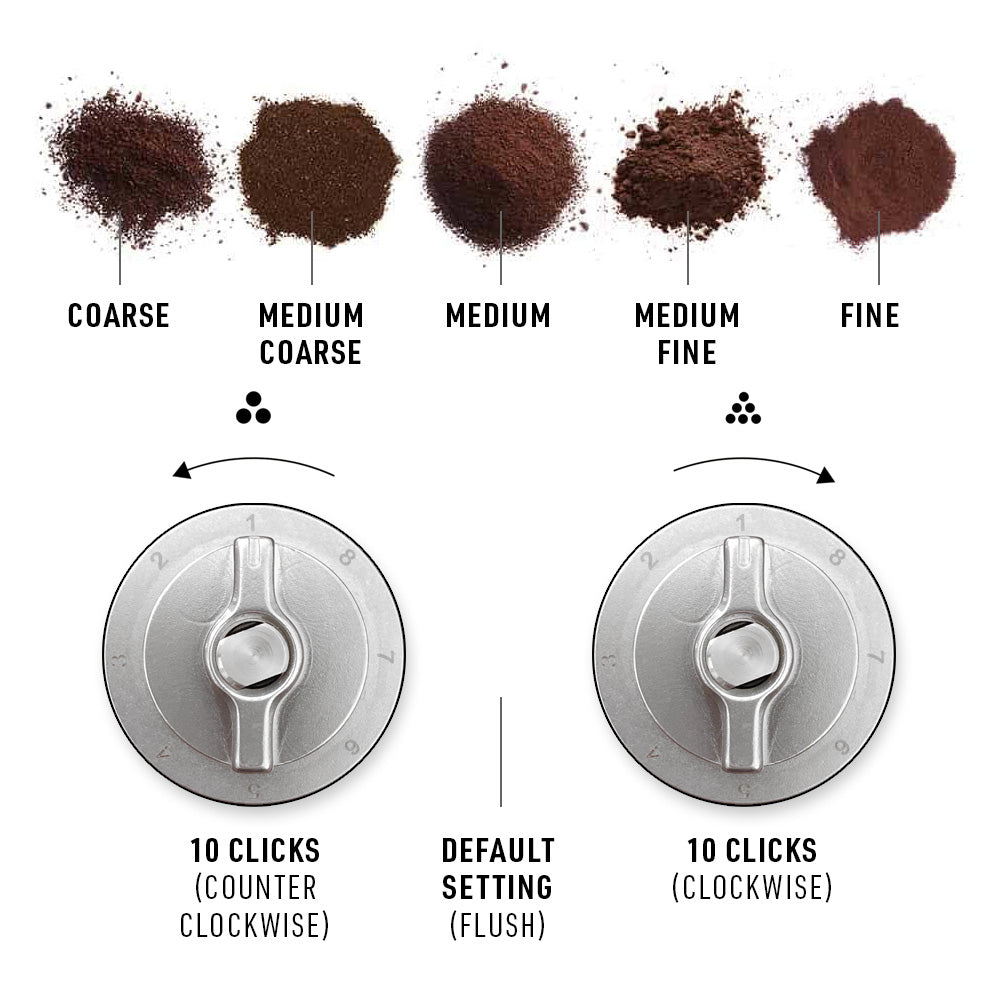
The solution for bitter coffee is simple: make your grind coarser. This reduces the surface area exposed to water, slowing extraction and preventing those bitter compounds from dominating your cup. Start with small adjustments—one to two clicks on a burr grinder or a noticeable coarsening if using a blade grinder. Then brew a small test cup using your normal method to evaluate the results.
If bitterness decreases but your coffee now tastes weak or sour, you’ve gone too far and need to grind slightly finer. If bitterness remains prominent, make another small coarsening adjustment and test again. This iterative process typically requires three to five test brews to find your optimal setting. Keep notes on each adjustment—grinder setting, bean type, roast date, and resulting flavor—to build a reference for future brewing.
Documenting your adjustments transforms grind correction from guesswork into a reliable process. You’ll begin recognizing patterns, like how certain beans from specific roasters consistently require one setting coarser than others. This knowledge saves time and coffee as you refine your technique.
Optimal Grind Sizes for Different Brewing Methods
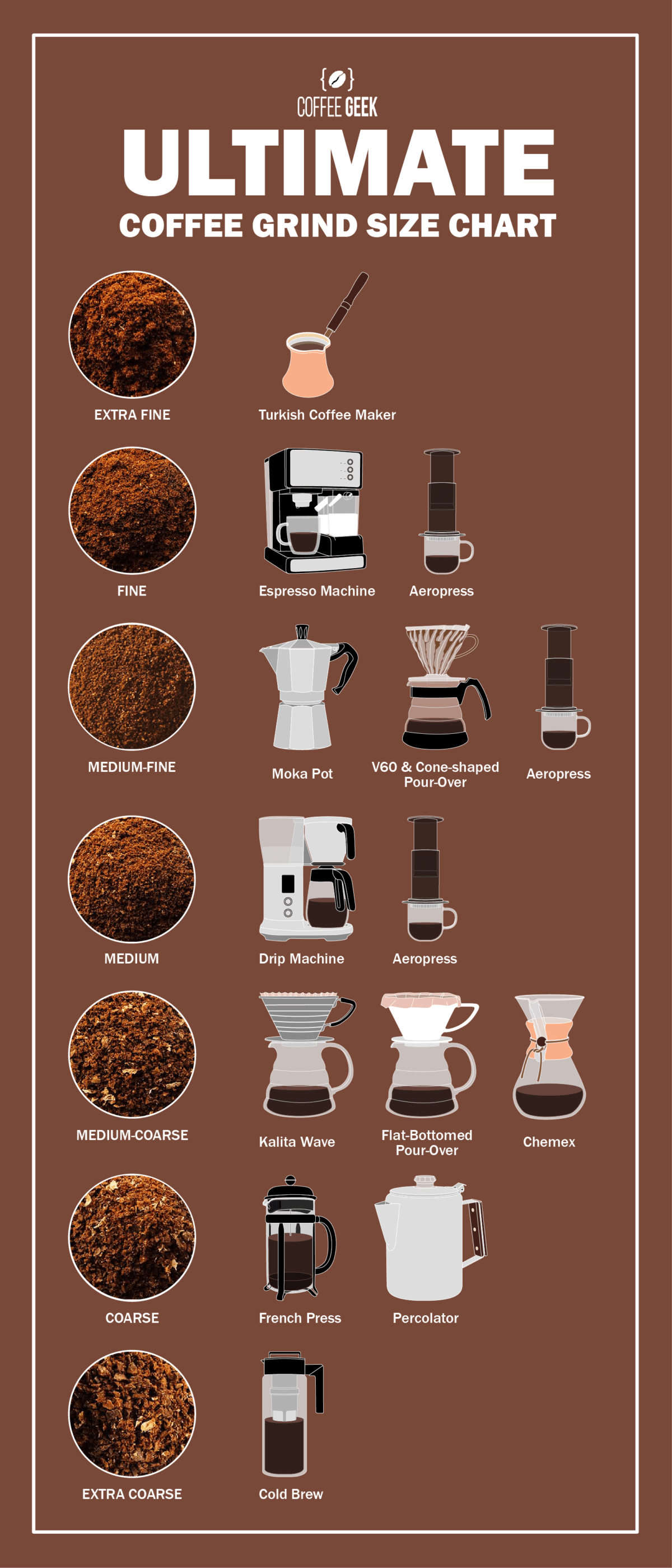
Each brewing method has an ideal grind range that balances extraction speed with contact time. Straying outside these ranges often leads to bitterness. For French press and cold brew—which feature long contact times of several minutes—you need a coarse grind resembling sea salt or raw sugar. If your French press coffee tastes bitter, your grind is almost certainly too fine.
Espresso requires the finest grind (similar to table salt) but compensates with extremely short contact time (25-35 seconds). Bitter espresso usually indicates a grind that’s too fine or a shot that ran too long. Pour-over methods like Chemex or V60 work best with a medium-fine grind, allowing the typical two-to-three-minute brew time to achieve balanced extraction.
Drip coffee makers generally perform best with a medium grind—slightly coarser than pour-over but finer than French press. If your drip coffee consistently tastes bitter despite proper grind adjustments, check your machine’s water temperature and flow rate, as equipment issues can force over-extraction.
Testing and Refining Your Grind Adjustments
Effective adjustment requires systematic testing under identical conditions. Brew small test cups (3-4 ounces) with the same bean amount, water temperature, and brew timing to isolate the effect of grind size alone. Evaluate each cup by taking small sips and noting the flavor progression—properly extracted coffee should present sweetness and acidity first, with bitterness (if present) appearing only as a subtle afterthought.
Pay special attention to the aftertaste. Bitter coffee leaves a lingering unpleasant sensation that persists long after swallowing, while well-extracted coffee finishes clean. If possible, get a second opinion on your tests, as taste perception varies significantly between individuals. If testing alone, take detailed notes immediately after tasting while impressions are fresh.
This methodical approach prevents wasted coffee and helps you develop a refined palate for identifying extraction issues. Over time, you’ll recognize subtle flavor differences that indicate when minor grind adjustments are needed.
Preventing Bitter Coffee Before It Happens
Once you’ve found the right grind setting, maintain consistency to prevent future bitterness. Burr grinders produce more uniform particle sizes than blade grinders, making extraction more predictable and reducing bitterness issues. If you frequently struggle with bitter coffee using a blade grinder, consider upgrading to an entry-level burr model.
Store beans properly in an airtight container away from light, heat, and moisture. Oxygen exposure degrades coffee rapidly, and stale beans often develop amplified bitterness regardless of grind setting. Always grind immediately before brewing—pre-ground coffee loses freshness quickly and becomes more prone to bitterness.
Recalibrate your grinder with each new bag of beans. Different beans have varying densities, moisture contents, and roast levels that affect extraction. Make it a habit to test and adjust your grind whenever you open a new bag, even if you expect the setting to remain unchanged. This proactive approach prevents the disappointment of unexpectedly bitter coffee.
When Grind Adjustment Isn’t Enough to Fix Bitterness
Sometimes bitterness persists despite proper grind settings, indicating other factors are at play. Verify your water temperature with a thermometer—water consistently above 205°F will extract bitter compounds more aggressively. If your kettle or machine runs hot, let it cool briefly before brewing or use water that’s been boiled and rested.
Examine your brew timing carefully. Longer contact times amplify extraction, so factors like slow pouring, clogged filters, or excessive agitation can push a properly ground coffee into bitter territory. Pour-over brewers should use a steady, consistent pour rather than stop-and-start patterns that extend contact time.
Finally, consider whether your beans themselves might be the issue. Extremely dark roasts, beans past their peak freshness, or low-quality beans may produce unavoidable bitterness. While proper technique can mitigate this, very poor-quality beans will fight your best efforts. When you’ve optimized everything else and bitterness remains, your coffee sourcing may need attention.
Mastering grind adjustment transforms bitter coffee into a consistently enjoyable experience. Remember that bitterness signals over-extraction, and coarser grinds slow the extraction process. Through patient testing and attention to variables beyond grind size—water temperature, brew timing, and bean freshness—you can dial in settings that highlight your coffee’s natural sweetness while minimizing harsh notes. Each adjustment teaches you more about your specific setup, making perfect coffee increasingly effortless with practice.