That intoxicating aroma filling your kitchen after roasting fresh coffee beans is hard to resist—but brewing too soon sabotages your flavor potential. Understanding how long after roasting coffee before brewing separates good home roasting from exceptional results. This guide reveals precise resting windows based on your specific equipment and beans, so you never waste another perfectly roasted batch on premature brewing.
The ideal time between roasting and brewing isn’t a single number but a dynamic window influenced by your roasting method, bean processing, and personal taste. While many follow the oversimplified “72-hour rule,” this often misses the mark—some coffees peak in 3 days while others need 14. Getting this timing right transforms flat, carbonated cups into vibrant, balanced brews that showcase your beans’ true character.
Why Your Fresh Roast Needs Patience Before Brewing
Freshly roasted coffee beans release carbon dioxide in a process called degassing, which directly impacts your brew quality. When you brew too soon, trapped CO2 creates uneven extraction—water can’t properly penetrate the grounds, resulting in sour, hollow flavors with excessive carbonation. The resting period allows gases to escape gradually while flavor compounds stabilize and develop their full complexity.
Professional roasters have shifted from rigid timelines to understanding that peak quality emerges through a gradual evolution. Your coffee doesn’t magically transform from “undrinkable” to “perfect” overnight—it steadily improves, with some roasts showing linear daily progress while others experience dramatic flavor jumps just before reaching their peak. This explains why many home roasters mistakenly think their drum-roasted beans are flawed when brewed too early; they simply haven’t had sufficient time to develop.
The key insight? Your roasting equipment dramatically alters degassing rates. Fluid bed roasters like the Fresh Roast SR800 or Nucleus Link begin roasting from room temperature rather than in a preheated drum, causing gases to build up less and release faster. This fundamental difference means your resting timeline depends primarily on how your roaster operates, not just roast level or bean origin.
Fluid Bed vs Drum Roasters: The Resting Time Divide
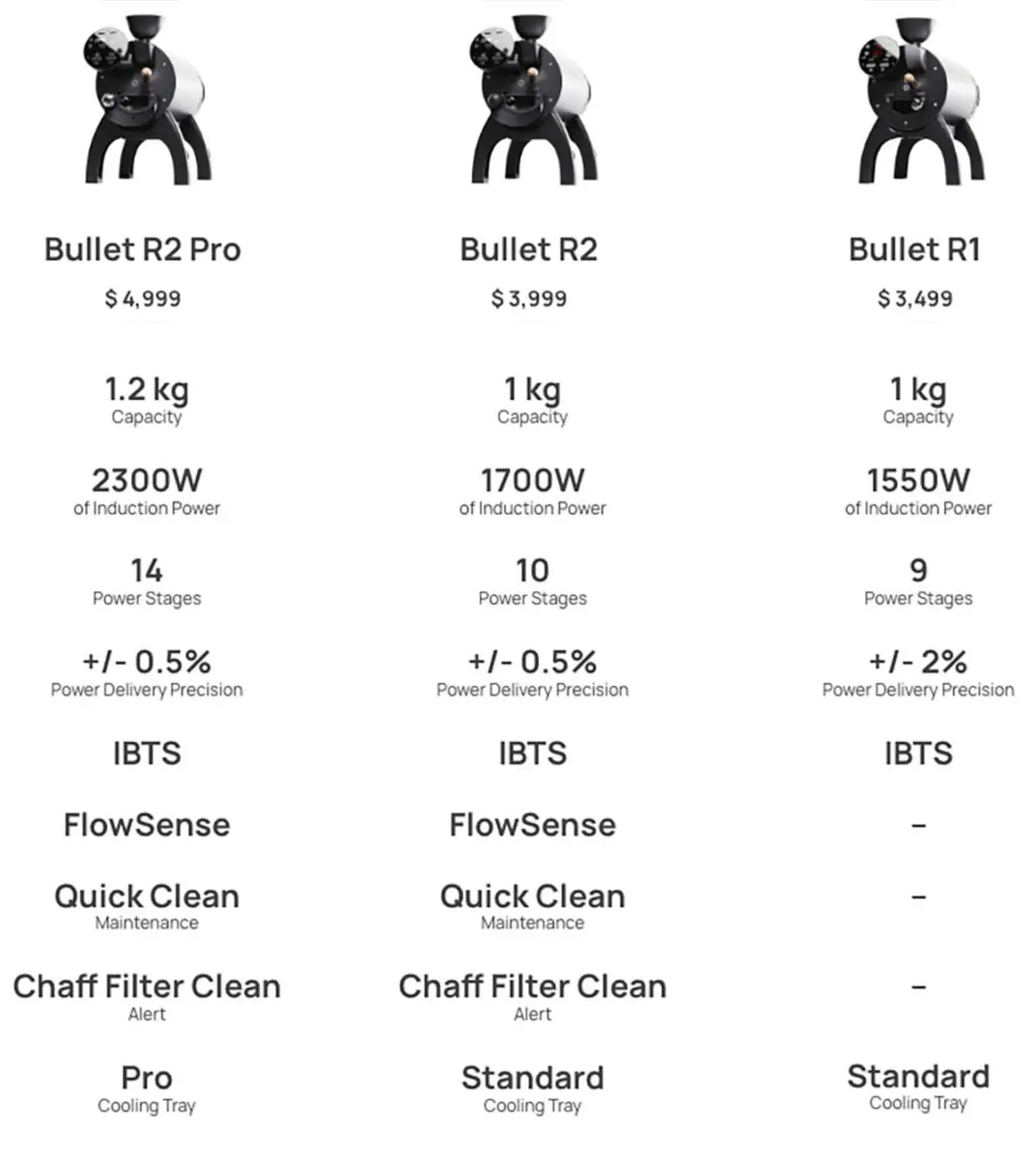
The most significant factor determining how long after roasting coffee before brewing is your roaster type—specifically whether it starts from room temperature or preheats. This discovery, validated through extensive side-by-side testing, explains why many home roasters experience inconsistent results when switching equipment.
Fluid bed roasters (Fresh Roast SR800, Nucleus Link) produce coffee ready for excellent brewing much faster than traditional drum roasters. When testing identical washed Costa Rican beans across different roasters, the Link reached peak flavor on day 3, the SR800 on day 4, while the Aillio Bullet drum roaster required 8 full days. For more complex anaerobic natural El Salvador beans, the gap widened dramatically: Link peaked at 6 days, SR800 at 7 days, but the drum-roasted batch needed a full 14 days to reach optimal quality.
Why Room-Temperature Roasting Accelerates Resting
The science behind this phenomenon remains partially theoretical, but practical testing confirms that roasters beginning from room temperature allow CO2 to build up less during roasting and release more efficiently afterward. Nucleus Link developers discovered this “happy accident” during product development, dubbing it “Ready To Drink” roasting—though “Ready To Taste Great Sooner” might be more accurate.
If you’re using a fluid bed roaster, resist the 72-hour rule temptation. Your medium-light washed roasts likely peak around day 3-4, while darker roasts may be enjoyable even earlier. Drum roaster users should exercise patience—your washed coffees typically need 7-10 days, and naturals often require the full two weeks to express their complete flavor profile.
Natural vs Washed Processing: How Bean Preparation Affects Resting
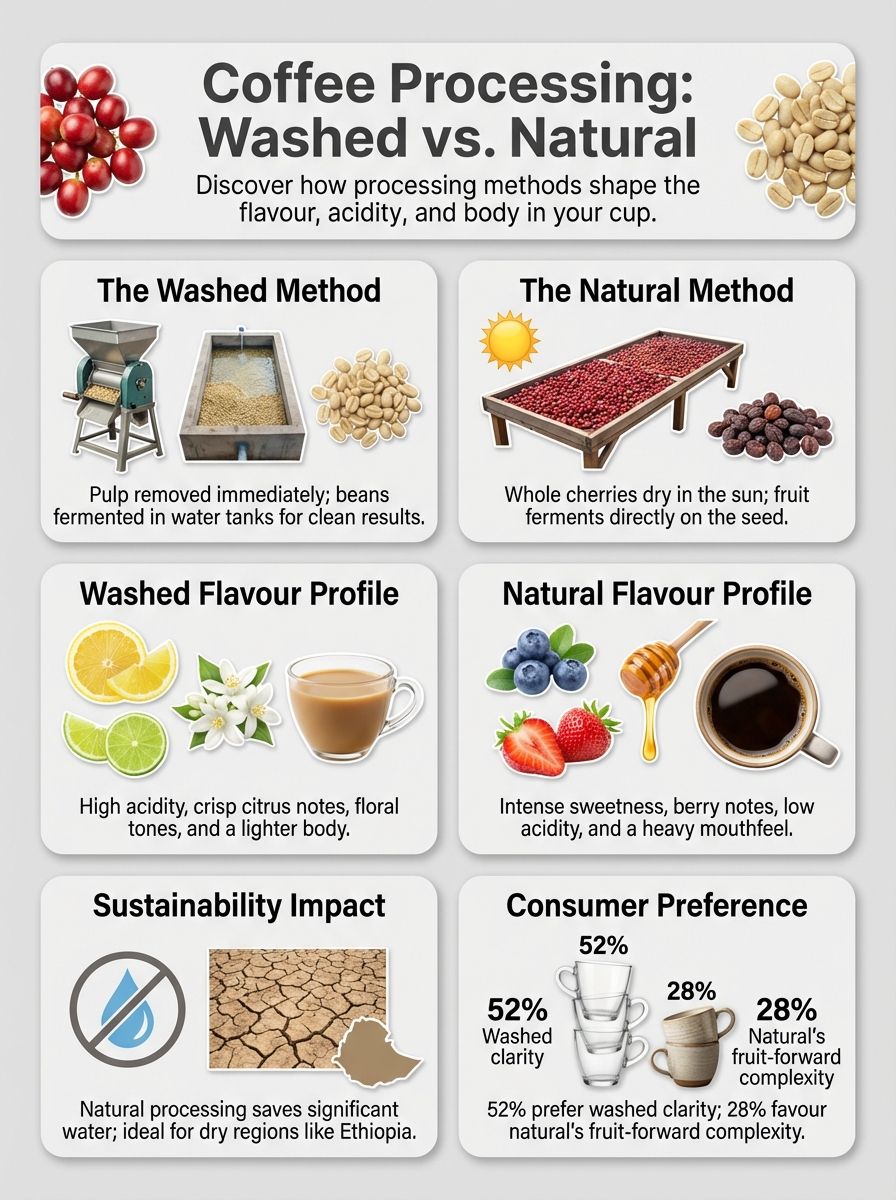
Beyond roaster type, the green coffee’s processing method significantly influences how long after roasting coffee before brewing reaches peak quality. The sugars and fermentation compounds present in different processing techniques create varying chemical complexities that affect degassing rates.
Washed Coffees Reach Peak Faster
Washed process coffees, with their pulp removed before drying, generally require shorter resting periods than naturally processed varieties. For fluid bed roasters, expect peak quality between 3-5 days post-roast depending on roast level. Drum roaster users should wait 7-10 days for washed coffees to fully develop their clarity and balanced acidity.
Natural and Anaerobic Coffees Need Extended Rest
Naturally processed coffees—including anaerobic and double-fermented varieties—contain residual fruit sugars that undergo complex chemical reactions during roasting. These compounds require significantly longer to stabilize, explaining why anaerobic natural El Salvador beans needed 14 days in drum roasters to reach peak quality.
If you’re roasting experimental naturals, plan accordingly. Your fluid bed roaster might deliver drinkable coffee in 5-7 days, but true peak quality often emerges between 7-14 days. Drum roaster users should prepare for the full two-week wait—those extra days transform muddled, carbonated cups into the vibrant, fruit-forward profiles these specialty beans promise.
Four Reliable Signs Your Coffee Is Ready to Brew
Rather than strictly following a calendar, develop these sensory skills to determine exactly when your coffee has reached its optimal brewing window:
The Aroma Test
Freshly roasted beans needing more rest emit a sharp, one-dimensional scent dominated by CO2 release. As degassing completes, the aroma transforms into complex, layered notes characteristic of the origin. When your beans smell invitingly balanced rather than aggressively fragrant, they’re approaching peak readiness.
The Bloom Behavior
During pour-over, observe how vigorously your grounds expand. Under-rested coffee produces an excessively aggressive bloom with rapid gas release causing channeling. Properly rested coffee shows a moderate, controlled bloom that settles within 30-45 seconds—this indicates optimal degassing for even extraction.
Cross-Method Consistency
Test your coffee across different brew methods. If espresso tastes dramatically different from pour-over (often more carbonated or sour), your beans need more rest. As coffee matures, flavor becomes consistent across brewing techniques, signaling stable degassing.
Cup Clarity
Very fresh coffee often delivers a “hazy” sensory experience where flavors seem disconnected. Rested coffee produces clean, defined cups where acidity, sweetness, and body integrate harmoniously. This clarity emerges gradually during the rest period—track this evolution by brewing the same coffee daily.
Optimal Storage Techniques for Peak Flavor Preservation
How you store coffee during and after the resting period directly impacts how long your roasted beans maintain peak quality. Follow these science-backed storage methods to maximize your flavor window:
Seal Out Oxygen with Smart Containers
Use airtight containers with one-way valves that allow CO2 to escape while blocking oxygen entry. Without valves, “burp” containers daily during the first week by briefly opening and closing to release built-up gases. Oxygen is coffee’s primary staling agent—proper sealing extends peak quality to 4-6 weeks.
Block UV Light Completely
Store beans in opaque containers or dark cabinets. UV light rapidly degrades flavor compounds, so avoid clear containers on sunny countertops. The pantry provides ideal dark storage conditions that preserve delicate aromatic compounds.
Control Moisture Without Refrigeration
Contrary to popular belief, the refrigerator is terrible for coffee storage—it exposes beans to moisture fluctuations and absorbs food odors. Room-temperature storage in climate-controlled environments works best. For long-term freezing, use single-serving portions to prevent condensation during repeated thawing.
Your Custom Resting Timeline Cheat Sheet
Use this reference based on your specific equipment and beans to determine exactly how long after roasting coffee before brewing:
- Fluid bed roaster + washed coffee: 3-5 days (light roasts closer to 5 days)
- Fluid bed roaster + natural coffee: 5-7 days (anaerobic naturals toward 7 days)
- Drum roaster + washed coffee: 7-10 days (medium roasts around 8 days)
- Drum roaster + natural coffee: 10-14 days (anaerobic naturals at full 14 days)
Remember that “peak” isn’t an on/off switch—your coffee gradually improves during rest. Some roasts develop linearly (better each day), while others show exponential improvement (dramatic jumps near peak). Brew the same coffee daily throughout its rest period to experience its flavor evolution and identify your personal preference point.
Brewing Adjustments for Different Rest Stages

Your coffee’s rest stage should influence more than just timing—adjust these brewing variables to maximize flavor at every stage:
- Very fresh coffee (1-3 days): Use slightly cooler water (195-200°F) to tame excessive acidity and carbonation. Increase brew time slightly to compensate for uneven extraction.
- Mid-rest period (4-7 days): Standard parameters (200-205°F, normal ratios) typically work best as flavors stabilize.
- Peak to post-peak (8+ days): Consider slightly hotter water (205-208°F) to extract remaining sweetness from aging beans. Reduce brew time slightly if noticing increased bitterness.
Grind immediately before brewing regardless of rest stage—pre-ground coffee loses flavor exponentially faster due to increased oxygen exposure. Even perfectly rested beans can’t overcome the staling effects of pre-grinding.
Mastering how long after roasting coffee before brewing transforms your home roasting from a novelty into a craft. By matching resting times to your specific equipment and beans, you unlock flavors that make the wait worthwhile—each cup revealing the full potential of your carefully roasted beans. Start tracking your rest periods today, and you’ll discover why patience truly is the secret ingredient in exceptional coffee.