Your morning ritual shouldn’t end with bitter disappointment. If your Bialetti produces coffee that tastes burnt, weak, or strangely metallic, the culprit is almost certainly your grind size. Understanding how fine to grind coffee for Bialetti isn’t just helpful—it’s the single most critical factor between a rich, aromatic stovetop espresso and a frustrating waste of beans. Unlike other brewing methods, the Moka pot operates on precise physics that demands a specific texture. This guide cuts through the confusion to show you exactly what your grounds should look like, feel like, and how to achieve consistent results every time you brew.
The magic of a Bialetti happens when pressurized steam pushes water through your coffee grounds. Too fine, and you’ll get bitter over-extraction that can even damage your pot. Too coarse, and your coffee will taste like watery dishwater. The sweet spot sits between espresso and French press territory, and getting it right transforms your morning routine from guesswork into guaranteed satisfaction. Let’s break down exactly how to achieve Moka pot perfection.
Moka Pot Grind Texture: The Sea Salt Standard
The ideal grind for your Bialetti resembles coarse sea salt or raw sugar crystals—never powdery like flour. This texture creates just enough resistance to slow water flow for proper extraction while preventing clogs or excessive pressure buildup. When you rub fresh Moka grind between your fingers, it should feel distinctly gritty, not smooth. The particles should be uniform in size with no visible dust or large chunks.
This specific coarseness matters because Moka pots operate at significantly lower pressure (1-2 bars) than espresso machines (9 bars). The sea salt texture allows water to pass through steadily over 5-8 minutes—the perfect window for extracting rich flavors without burning your coffee. If you’re using pre-ground coffee, look for labels specifically marked “Moka grind” or “stovetop espresso grind” rather than generic “espresso” grind.
Why Espresso Grind Ruins Bialetti Coffee
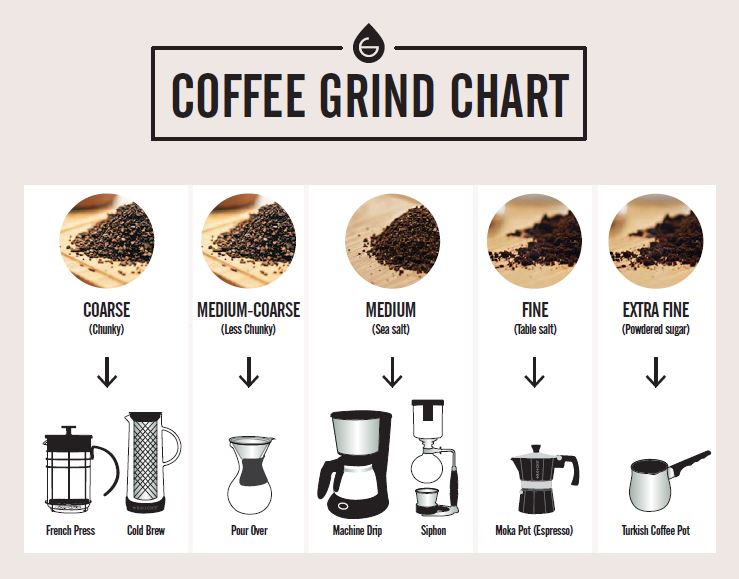
Using espresso grind in your Bialetti is the most common mistake that leads to bitter, burnt-tasting coffee. Espresso grind resembles powdered cinnamon—so fine it clumps together when compressed. When this ultra-fine grind enters your Moka pot, the weak pressure (compared to an espresso machine) can’t push water through properly. Instead, water finds only the path of least resistance, creating channels that extract bitter compounds while leaving other areas under-extracted.
The visual difference is unmistakable: espresso grind forms a solid puck when squeezed, while proper Moka grind crumbles apart easily. If your grounds stick together like wet clay when compressed, they’re far too fine for your Bialetti. This common error explains why many people abandon their Moka pots after one or two disappointing brews—they’re using the wrong grind texture, not a faulty technique.
How to Identify Espresso Grind in Your Current Coffee
Examine a tablespoon of your current grounds on a white surface. If you see significant amounts of powder that looks like flour, or if the particles clump together when you pour them from hand to hand, you’re using too fine a grind. Proper Moka grind should flow freely like coarse sand, with visible individual particles roughly the size of table salt. When you squeeze a small amount in your palm, it should hold its shape loosely but break apart with minimal pressure.
Perfect Grind Verification: Three Quick Tests
Before brewing, verify your grind size with these simple at-home tests that require no special equipment:
The Squeeze Test
Take a small handful of grounds and compress firmly in your palm. Release your grip—proper Moka grind maintains its shape briefly before crumbling apart. Espresso grind forms a solid puck that resists breaking, while overly coarse grind immediately falls apart with no cohesion.
The Visual Inspection
Spread grounds on a white plate. Ideal Moka grind shows uniform particles the size of raw sugar crystals with no visible powder or dust. You might notice some smaller and larger pieces, but no extreme variations. If you see what looks like flour mixed in or chunks larger than a grain of rice, adjust your grinder.
The Pour Test
Lift your hand 6 inches above your container and let grounds fall. Correct Moka grind flows in a controlled stream like coarse sand. Espresso grind either clumps and refuses to flow or falls too quickly like powder. Overly coarse grind pours too rapidly with no resistance.
Grinder Selection: Achieving Consistent Moka Texture
:max_bytes(150000):strip_icc()/__opt__aboutcom__coeus__resources__content_migration__serious_eats__seriouseats.com__2019__02__20190206-coffee-grinder-vicky-wasik-grinds-comparison-1500x1125-b2d47dd44c0d408cabae9d91b262a533-72acbe342c714d41aa3febf61b65ad69.jpg)
Why Burr Grinders Outperform Blade Models
Burr grinders deliver uniform particle size essential for proper Moka extraction. Their conical or flat burrs crush beans consistently, creating the sea salt texture your Bialetti needs. Blade grinders, by contrast, create a chaotic mix of powder and chunks through chopping action—guaranteeing uneven extraction. If you must use a blade grinder, pulse briefly and sift out the finest particles through a fine mesh strainer.
Pre-Ground Coffee: When It Makes Sense
Quality pre-ground Moka coffee has improved significantly, with specialty roasters now offering properly textured options. This convenience works well for travelers or those without grinder access, but remember: ground coffee begins losing flavor within minutes. For best results, buy small quantities you’ll use within 2-3 weeks and store in an airtight container away from light and heat. Never refrigerate ground coffee—moisture accelerates staling.
Bialetti Brewing: Perfect Technique with Correct Grind
Water Preparation Protocol
Fill the bottom chamber with cold water up to—but never above—the safety valve. This precise level creates the essential air gap that expands when heated, generating pressure. Avoid hot tap water—oligomineral water works best, but regular tap is acceptable if not too calcareous. For smoother extraction, add 1-2 teaspoons of cold water to the upper chamber before brewing to prevent first-drip burning.
Coffee Basket Filling Technique
Pour grounds into the filter basket using a gentle motion that allows natural settling. Fill until heaping, then level off with your finger—never press or tamp. Overfilling or compressing restricts water flow, causing bitter extraction. For stronger coffee, add slightly more grounds; for milder coffee, use less—but always maintain the no-press rule.
Heat Management for Optimal Extraction
Place your assembled Bialetti on low to medium-low heat. High heat speeds brewing but guarantees burnt, bitter coffee. The ideal process takes 5-8 minutes—listen for the characteristic gurgling sound signaling completion. Immediately remove from heat at this point; continuing to brew extracts harsh compounds. Stir gently before serving to blend any concentration variations.
Troubleshooting Common Grind Problems
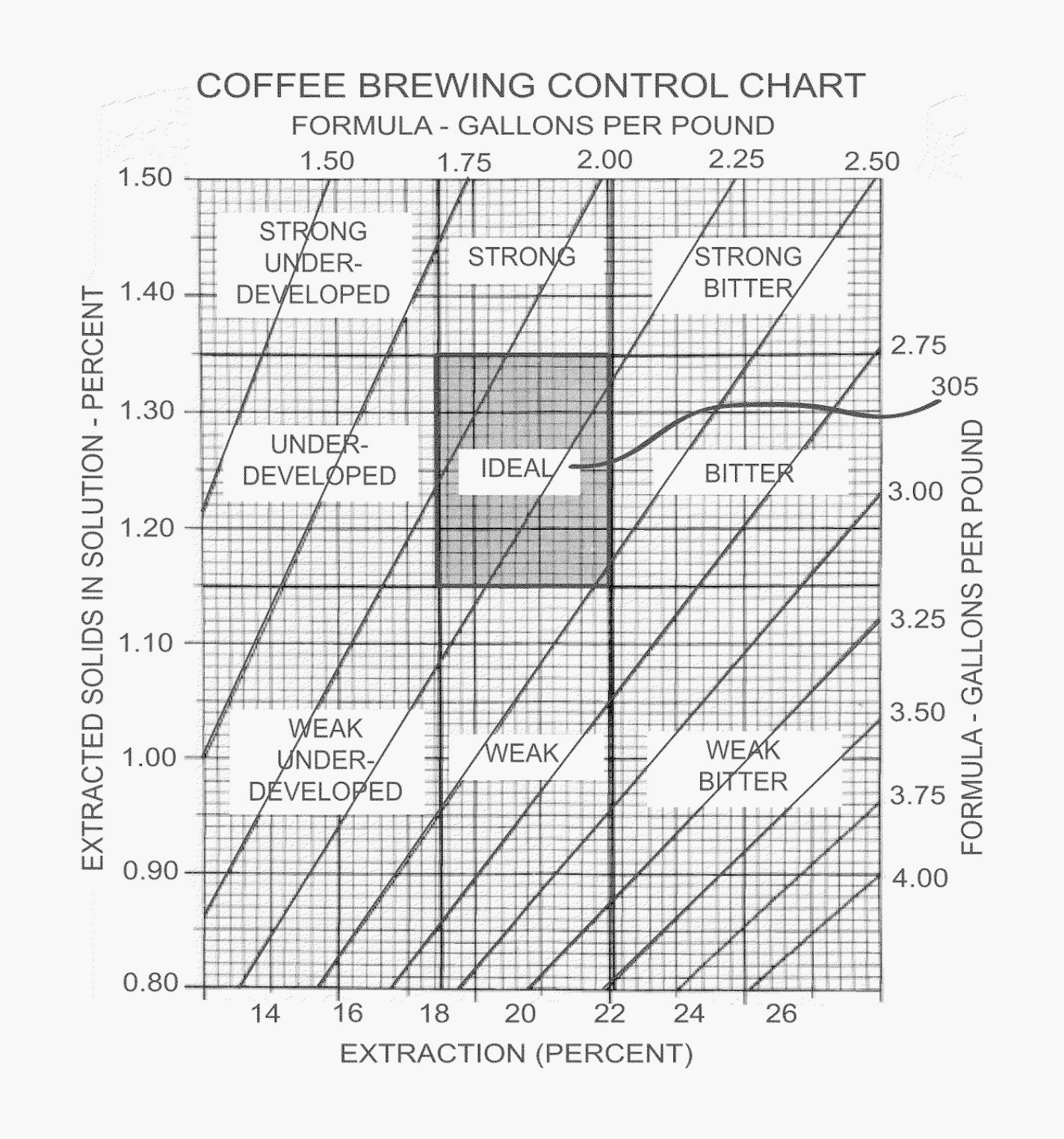
Fixing Weak, Sour Coffee in Under 3 Minutes
When coffee rushes through in under 3 minutes, your grind is too coarse. Water moves too quickly for proper extraction, yielding weak, sour coffee. Solution: Adjust grinder one notch finer or switch to a dedicated Moka grind. If using pre-ground, verify it’s labeled specifically for stovetop espresso.
Solving Slow Extraction and Bitter Coffee
If coffee takes longer than 8 minutes, sputters violently, or barely trickles out, your grind is too fine. This creates excessive resistance, causing pressure buildup and bitter over-extraction. Correct by using a coarser setting, sifting current grounds to remove fines, or switching to coarser pre-ground coffee.
Eliminating Burnt Aftertaste Despite Correct Timing
Burnt flavors often indicate over-compaction even with proper grind size. Level grounds without pressing, and fill the basket only to overflowing before leveling off. Never create a “hill” of coffee that extends above the basket rim—this restricts flow and causes burning.
Maintaining Grind Consistency for Reliable Results
Burr Grinder Calibration
Mark your ideal Moka setting with tape or a permanent marker—settings can drift with use. Always grind a test batch before brewing, checking texture against the sea salt standard. Clean burrs monthly to prevent buildup that alters grind consistency.
Proper Coffee Storage Protocol
Transfer grounds to an airtight metal container immediately after grinding—air is coffee’s worst enemy. Store in a cool, dark place away from heat sources. Avoid refrigeration due to moisture risks from condensation. Buy pre-ground coffee in small batches you’ll consume within 2-3 weeks for peak freshness.
Perfecting Your Bialetti Routine
The path to Moka pot mastery begins with the right grind but extends to understanding how variables interact. Water temperature affects extraction speed, heat level impacts flavor development, and coffee-to-water ratio influences strength—all working with your grind texture. Start with the sea salt standard, then fine-tune based on your taste preferences and equipment.
Experiment with different bean origins—dark roasts often deliver chocolatey notes that shine in Moka pots, while light roasts reveal bright, complex flavors when properly extracted. Remember the cardinal rules: never press the grounds, always use cold water to the valve line, and remove from heat at the first gurgle. With these fundamentals mastered, your Bialetti will consistently produce café-quality coffee that makes every morning worth waking up for.