You’ve likely heard the warning: “Skip that extra cup of coffee—it’ll dehydrate you!” This long-standing myth has caused coffee drinkers to second-guess their morning ritual for decades. The logic seems sound at first—caffeine is a diuretic that increases urine production, so shouldn’t coffee actually make you lose more fluid than you gain? But recent scientific research has thoroughly debunked this common misconception, revealing a much more nuanced relationship between your favorite brew and your hydration status. For the millions who rely on coffee to kickstart their day, this is welcome news that could change how you view your daily caffeine fix.
The truth is far more comforting than the myth suggests: while coffee does contain caffeine with mild diuretic properties, these effects are simply too weak to cause dehydration in healthy adults who consume coffee regularly. In reality, your morning cup contributes meaningfully to your daily fluid intake rather than depleting it. Coffee is approximately 95% water, which your body readily absorbs during digestion. Understanding the actual science behind coffee’s impact on hydration can help you enjoy your favorite beverage without unnecessary guilt while still maintaining optimal health. This article cuts through the misinformation to deliver evidence-based facts about coffee and hydration, complete with practical guidance for balancing your coffee habit with proper fluid intake.
Why Coffee’s Diuretic Effect Doesn’t Cause Dehydration
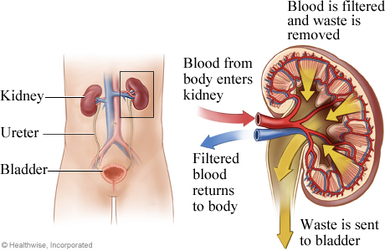
Caffeine belongs to a class of compounds called methylxanthines that stimulate your central nervous system and affect kidney function. When you consume caffeine, it causes blood vessels to dilate and increases blood flow to your kidneys. This enhanced circulation signals your kidneys to filter blood more efficiently, resulting in increased urine production. This diuretic effect is measurable and real, which explains why the dehydration myth has persisted for so long despite being largely overstated.
The critical detail most people miss is the magnitude of this effect. Research consistently shows that caffeine’s diuretic properties are mild and temporary, especially in habitual coffee drinkers. Your body quickly develops tolerance to caffeine’s fluid-excreting effects, meaning regular coffee consumers experience little to no net fluid loss from their daily brew. While one cup might cause you to produce slightly more urine than you would from drinking water, the water content in that same cup more than compensates for any minimal fluid loss. The net effect on your hydration status is neutral or even slightly positive.
How Your Body Adapts to Regular Coffee Consumption
Your kidneys become remarkably efficient at processing caffeine when you drink coffee consistently. Within just a few days of regular consumption, your body develops tolerance to caffeine’s diuretic effects through several physiological adaptations. The hormone systems that regulate fluid balance—particularly those involving antidiuretic hormone (ADH)—adjust to account for caffeine’s presence, minimizing any increase in urine output. This adaptation explains why the same cup of coffee that might send a non-coffee drinker to the bathroom repeatedly has little effect on someone who enjoys multiple cups daily.
Why Single Studies Get Misinterpreted
The dehydration myth persists partly because early research often examined caffeine’s effects in isolation, using pure caffeine rather than coffee, and testing non-habitual consumers. These studies showed a temporary increase in urine output that was misinterpreted as evidence of dehydration. However, when researchers study actual coffee consumption in real-world contexts—where people drink coffee regularly as part of their daily routine—the results tell a different story. More comprehensive studies now confirm that for regular coffee drinkers, the beverage contributes to hydration rather than undermining it.
How Much Coffee You Can Safely Drink Without Dehydration Risk
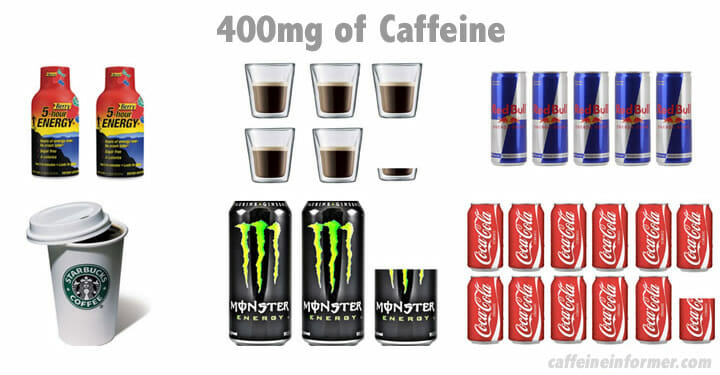
Health organizations have established clear guidelines for safe caffeine consumption that help coffee lovers make informed decisions. The general consensus among nutrition experts is that healthy adults can safely consume up to 400 milligrams of caffeine daily without experiencing negative health effects, including concerns about dehydration. This amount translates to approximately four to five standard cups of brewed coffee, though actual caffeine content varies significantly depending on the type of bean, brewing method, and serving size. A standard 8-ounce cup of brewed coffee typically contains 95-200 mg of caffeine, while espresso packs about 63 mg per 1-ounce shot.
Understanding Your Personal Caffeine Tolerance
Caffeine sensitivity varies considerably between individuals based on genetic factors, body weight, medications, and overall health conditions. Some people may experience jitters, anxiety, or sleep disturbances at amounts that others tolerate easily. Pregnant women are generally advised to limit caffeine intake to 200 milligrams daily due to potential effects on fetal development. Individuals with certain heart conditions, anxiety disorders, or specific medication regimens may also need to moderate their consumption more carefully. The key is understanding how your own body responds to caffeine and adjusting accordingly.
Recognizing When You’ve Had Too Much Coffee
While dehydration isn’t a realistic concern with moderate coffee consumption, other side effects can signal you’ve exceeded your personal tolerance. Watch for symptoms like rapid heartbeat, nervousness, digestive upset, headaches, or difficulty sleeping. If you experience these, consider reducing your intake or switching to lower-caffeine options like half-caf or tea. Importantly, these symptoms relate to caffeine sensitivity, not dehydration—your fluid balance remains unaffected even when you’ve had “too much” coffee from a caffeine perspective.
Coffee’s Surprising Contribution to Daily Hydration
Beyond simply not causing dehydration, coffee may actually provide meaningful hydration benefits. A typical cup of coffee is approximately 95% water by volume, meaning you’re consuming nearly as much water as you would with a glass of water, just with added caffeine and other compounds. This water content is readily absorbed by your body during digestion, contributing to your overall fluid balance just like any other beverage would.
Scientific Evidence Supporting Coffee as Hydrating
Research examining hydration markers like urine output, body weight changes, and blood markers has consistently shown that coffee provides similar hydrating effects to water when consumed in moderation. One particularly illuminating study published in PLOS ONE compared participants who drank only coffee to those who drank only water over several days and found no significant differences in hydration indicators between the two groups. This finding directly challenges the assumption that coffee’s diuretic properties create a hydration deficit, demonstrating instead that the body processes coffee’s fluid content effectively.
Why Coffee Counts Toward Your Daily Fluid Goals
For many adults, coffee represents a significant portion of their daily fluid intake, sometimes accounting for several cups throughout the day. Rather than viewing coffee as a hydration liability, recognize it as a valuable source of fluids that also provides the added benefits of caffeine, antioxidants, and potential metabolic effects. This perspective allows coffee lovers to enjoy their beverage without guilt while still meeting their hydration needs. Your morning cup absolutely counts toward your daily fluid goals—no need to “replace” it with water.
Spotting Real Dehydration vs. Normal Coffee Effects
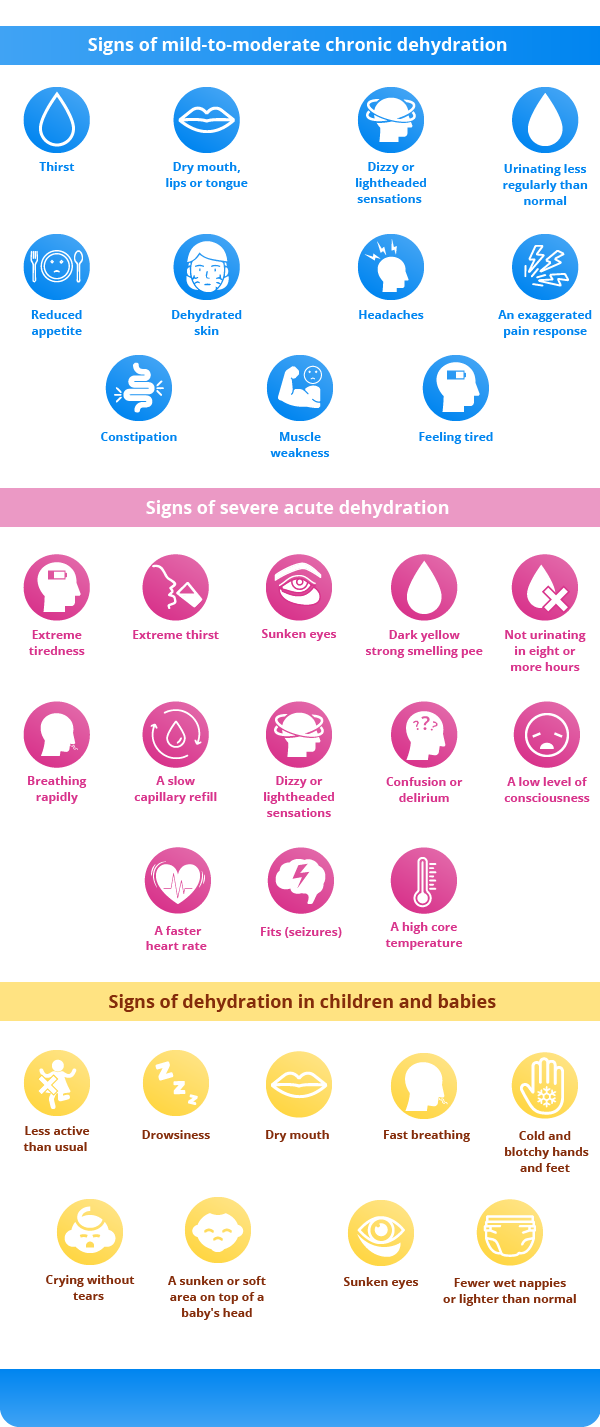
Understanding what genuine dehydration actually looks like is essential for distinguishing between normal physiological responses and actual health concerns. Dehydration occurs when your body loses more fluids than it takes in, leaving insufficient water for normal bodily functions. This condition can range from mild thirst to severe, life-threatening complications, though mild cases are far more common and easily addressed. Knowing the warning signs helps you respond appropriately and maintain optimal health.
Early Warning Signs You Shouldn’t Ignore
The symptoms of dehydration often begin subtly, with thirst being your body’s earliest and most reliable indicator. By the time you feel thirsty, you’re already experiencing mild dehydration and should respond by drinking fluids. Other early signs include darker urine color (aim for pale yellow, not dark amber), decreased urine frequency (less than every 3-4 hours), dry mouth, and feelings of tiredness or weakness. These symptoms typically resolve quickly once you increase fluid intake, signaling that your body is simply requesting the water it needs to function properly.
When to Seek Medical Attention
More severe dehydration warrants immediate medical attention and may include symptoms like dizziness when standing, rapid heartbeat, confusion, fainting, and reduced skin elasticity (skin that doesn’t snap back quickly when pinched). Infants, young children, and older adults are particularly vulnerable to dehydration’s serious effects and may require closer monitoring. The good news is that moderate coffee consumption does not contribute to these concerning scenarios in healthy individuals. Even people who drink several cups of coffee daily maintain normal hydration status as long as they consume adequate total fluids and respond appropriately to their body’s thirst signals.
Practical Hydration Strategies for Coffee Lovers
Your body requires a consistent supply of water to function optimally, with needs varying based on individual factors like weight, activity level, and environmental conditions. The Institute of Medicine of the National Academies provides general guidelines suggesting that women need approximately 2.7 liters (91 ounces) of total water daily while men require about 3.7 liters (125 ounces). These figures represent total water intake from all sources, including both beverages and food, which contributes an estimated 20% to 30% of your daily hydration needs.
Building a Balanced Hydration Routine
Foods with high water content like fruits and vegetables contribute meaningfully to hydration, with items like watermelon, cucumber, and oranges providing substantial fluids alongside essential nutrients. The remaining 70% to 80% of your daily water needs come from beverages, which is where coffee, tea, water, and other drinks play crucial roles. Rather than viewing coffee as a net negative for hydration, consider it part of your overall fluid intake strategy, balancing it with water and water-rich foods throughout the day.
Simple Daily Habits for Optimal Hydration
Practical hydration strategies include drinking water with meals, keeping water accessible throughout the day, and paying attention to thirst signals. Increasing water intake during physical activity, hot weather, or illness helps compensate for additional fluid losses. While coffee contributes to your daily total, alternating between coffee and water throughout the day ensures you’re meeting your needs while enjoying your favorite beverages. A simple approach is to have one glass of water for every cup of coffee—this satisfies your coffee craving while guaranteeing additional hydration.
Enjoy Your Coffee Without Hydration Worries
The evidence is clear that coffee does not cause dehydration, freeing you to enjoy your favorite brew without guilt or concern. The mild diuretic effect of caffeine is more than offset by the water content in coffee, and regular coffee drinkers develop tolerance that further minimizes any transient increase in urine production. For healthy adults consuming up to 400 milligrams of caffeine daily, coffee represents a neutral or even positive contributor to hydration status.
Making informed choices about coffee consumption involves considering your individual tolerance, overall diet, and health conditions while recognizing that moderate coffee intake is generally safe and potentially beneficial. Many studies suggest coffee consumption is associated with various health benefits, including reduced risk of certain diseases and improved cognitive function. The key takeaway? Your morning cup doesn’t need to be a source of anxiety—it can simply be one of life’s small pleasures that also happens to contribute to your daily hydration needs. So go ahead and savor that coffee—you’re hydrating yourself in the process.