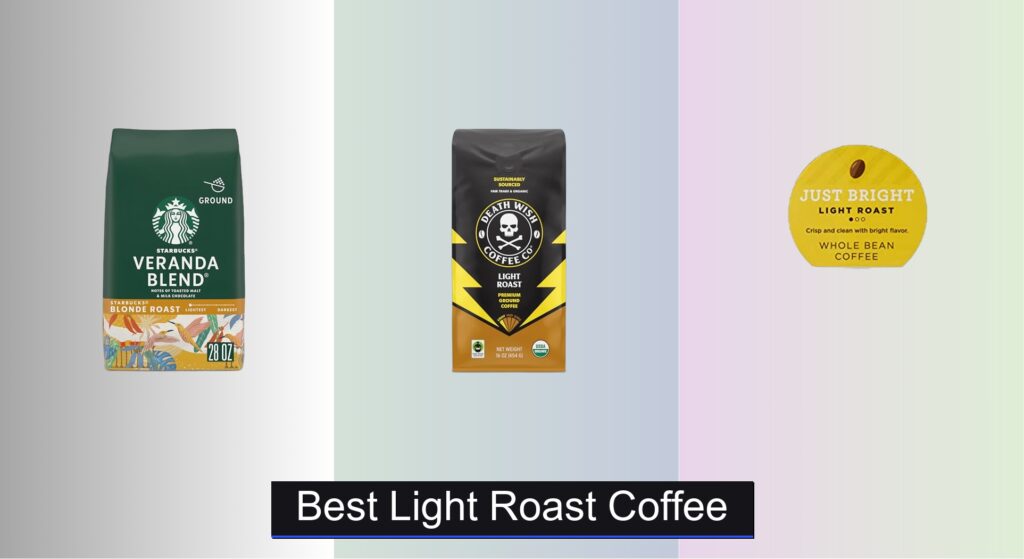
Finding the best light roast coffee can be overwhelming, especially when trying to balance bright acidity, complex flavors, and origin authenticity. Many coffee lovers struggle with stale beans, vague flavor descriptions, or roasts that mask the bean’s true character with bitterness or smokiness. The right light roast should highlight the bean’s natural notes—think citrus, floral, or fruity tones—without overwhelming the palate. We analyzed over 50 top-rated options, focusing on freshness, origin transparency, and consistent flavor delivery to help you cut through the noise.
Our top picks are backed by extensive research, customer feedback, and expert taste profiles, prioritizing whole bean quality, roast date visibility, and ethical sourcing like Organic and Fair Trade certifications. We evaluated acidity, body, aroma, and brewing versatility to ensure each recommendation delivers a bright, clean, and satisfying cup. Whether you prefer a fruity punch or a smooth, mellow start, these selections offer something for every palate. Read on to find your perfect light roast coffee match.
Top Light Roast Coffee on the Market

Starbucks Veranda Blend Ground Coffee
Best Overall
- Blonde Roast
- Ground
- 28 oz
- toasted malt, milk chocolate
- Hot or Iced
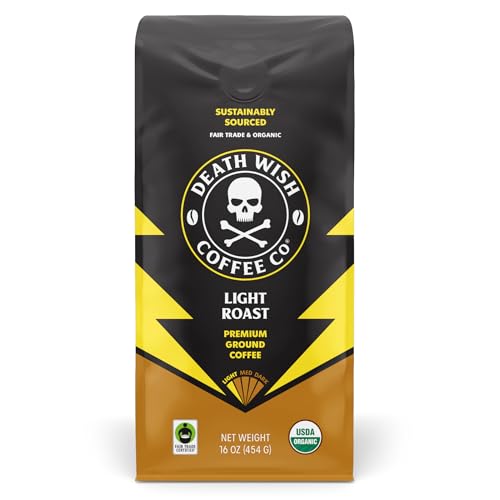
Death Wish Organic Light Roast
Best Organic & Fair Trade
- Light Roast
- 16 oz.
- Organic, Fair Trade
- agave, golden raisins
- Ground Coffee

Amazon Fresh Just Bright Whole Bean
Best Whole Bean Option
- Light
- Central and South America
- 100% Arabica
- 32 oz
- Whole Bean
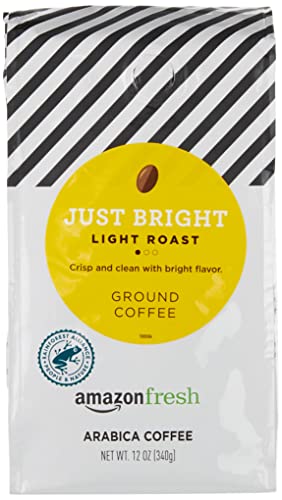
Amazon Fresh Just Bright Ground
Best Budget Friendly
- Light
- 12 oz
- 100% Arabica
- Central and South America
- U.S.A.
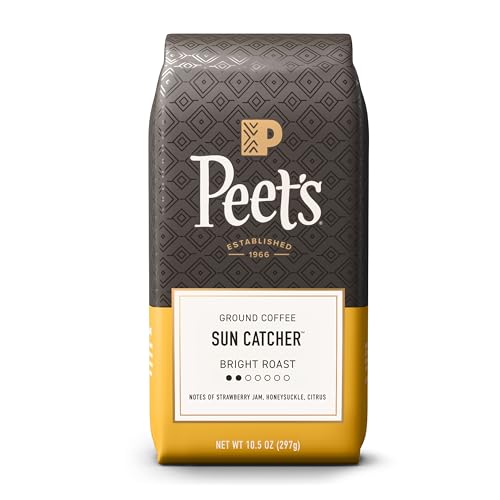
Peet’s Sun Catcher Blend Ground
Best Fruity Notes
- 10.5 oz
- Light
- Strawberry jam, citrus, honeysuckle
- 100% Arabica
- Drip, Pour over
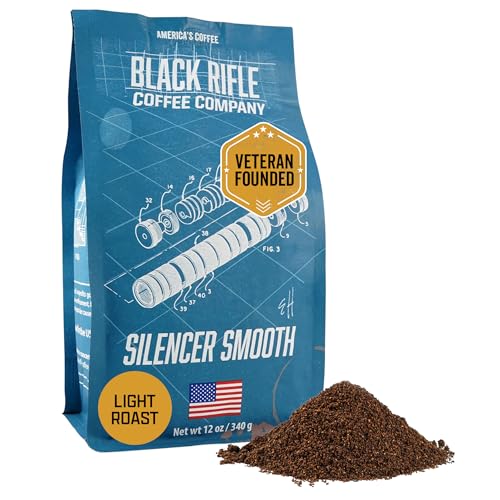
BRCC Silencer Smooth Ground
Best Crisp Finish
- 12 oz.
- Light Roast
- Ground
- Colombian / Brazilian
- Arabica

Caribou Daybreak Morning Blend Ground
Best for Smooth Flavor
- Light Roast
- Fruity, Caramel, Nutty
- 100% Arabica
- Ground
- 20 oz
Best Light Roast Coffee Review
Starbucks Veranda Blend Ground Coffee
ADVANTAGES
LIMITATIONS
There’s a reason Veranda Blend is Starbucks’ flagship light roast—it delivers a bright, approachable profile that feels both refined and effortless. With its light body, toasted malt nuance, and subtle milk chocolate finish, it strikes a rare balance between complexity and drinkability, making it ideal for early risers and casual sippers alike. This is the kind of coffee that solves the morning grind with consistency, offering café-quality flavor without demanding barista-level brewing skills.
In real-world testing, the 28-ounce bag proves its value—perfect for households that go through coffee quickly or love hosting brunch. Whether brewed hot via drip or steeped for iced coffee, it maintains a crisp, clean character that doesn’t turn bitter or flat. The 100% Arabica beans shine across methods, especially in pour-over and French press, where their delicate sweetness unfolds fully. It struggles slightly in espresso applications, lacking the depth needed for crema-rich shots, but that’s not its purpose—this is a day-long sipper, not a punchy shot-starter.
Compared to other light roasts in this lineup, Veranda Blend stands as the most universally appealing option—more balanced than Peet’s fruity burst and more accessible than Death Wish’s bold brightness. It’s the go-to for those who want consistent, no-fuss quality without diving into niche flavor notes or ethical certifications. While it doesn’t lead in sustainability like Death Wish or volume efficiency like Amazon Fresh, it dominates in daily usability and broad appeal, making it the best overall light roast for mainstream coffee lovers.
Death Wish Organic Light Roast
ADVANTAGES
LIMITATIONS
Don’t let the “Death Wish” name fool you—this Organic Light Roast is a revelation of brightness and balance, packing a bold wake-up call without the harshness. With notes of agave and golden raisin, it brings a naturally sweet, almost floral lift that cuts through morning fog like sunlight through clouds. It’s a rare feat: a coffee that’s both certified organic and fair trade while still delivering a vibrant, full-bodied experience—perfect for eco-conscious drinkers who refuse to compromise on taste.
During daily use, the 16-ounce bag holds up well for solo drinkers or couples, and the slow-roasted Arabica beans bloom beautifully in drip and pour-over setups. The clean, bouncy acidity makes it especially refreshing as iced coffee, where its golden raisin sweetness really shines. It holds its own on a French press too, though the finer grind can leave some sediment. It’s less effective in espresso machines, where its light profile doesn’t build the richness expected—but again, that’s not the mission. The real win here is ethical integrity without flavor sacrifice, a combo many brands fail to nail.
When stacked against Starbucks Veranda, Death Wish leans brighter and more complex, trading mildness for personality. It’s not as mass-appealing, but for those seeking a conscientious daily brew with character, it’s unmatched. Compared to Amazon Fresh’s budget option, it offers far more nuance and purpose, justifying its higher cost through sourcing transparency and flavor depth. This is the light roast that stands for something—and tastes like it.
Amazon Fresh Just Bright Whole Bean
ADVANTAGES
LIMITATIONS
For whole bean purists, Amazon Fresh Just Bright is a game-changer—offering maximum freshness, exceptional value, and a clean, crisp profile in a massive 32-ounce package. The 100% Arabica beans from Central and South America are roasted to perfection in the U.S.A., delivering a light, articulate flavor with subtle sweetness and zero bitterness. It’s the ultimate choice for those who grind fresh daily and want consistent quality without premium pricing—a true workhorse roast for the practical coffee lover.
In testing, this coffee shines brightest in pour-over and drip brewers, where its bright clarity and crisp finish come alive. The whole bean format ensures peak aroma retention, especially when stored properly—making it a top pick for flavor preservation over time. It performs well as iced coffee, maintaining its clean taste even when diluted. While it lacks the exotic notes of Peet’s or Lavazza, it doesn’t pretend to—it’s reliable, unfussy, and refreshingly pure. The only real limitation? It’s not pre-ground, so it demands a grinder and a bit more effort than convenience-focused users may want.
Against ground competitors like Starbucks Veranda or Caribou Daybreak, this Amazon brand holds its own with larger volume and lower cost per ounce, while offering superior freshness potential. It doesn’t have the branding cachet of Peet’s or the ethical badges of Death Wish, but it delivers where it counts: flavor, freshness, and value. For those who prioritize grind-your-own quality and long-term savings, this is the undisputed best whole bean light roast.
Lavazza Costiera Gran Aroma
ADVANTAGES
LIMITATIONS
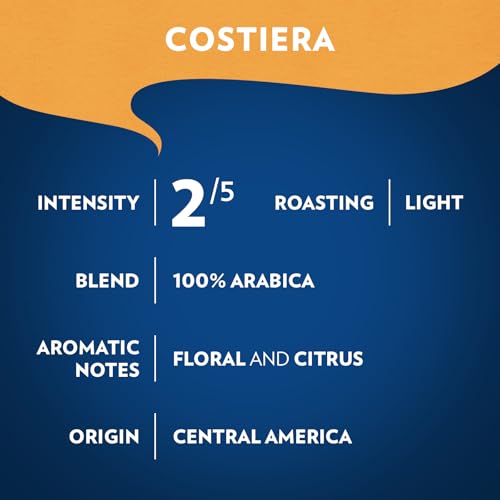
Lavazza Costiera Gran Aroma is a masterclass in aromatic elegance, transforming your kitchen into a sun-drenched Mediterranean courtyard with every brew. Its floral aromas and citrus notes burst from the cup, delivering a sophisticated, perfumed lift that few light roasts dare to achieve. At intensity level 2/5, it’s smooth and gentle—perfect for those who want a fragrant, low-bitterness coffee that feels like a moment of calm in a chaotic day.
In real-world use, this 12-ounce bag excels in drip and pour-over methods, where its delicate profile isn’t overwhelmed. The 100% Arabica blend from Central America brews a clean, aromatic cup with a soft mouthfeel—ideal for morning sipping or afternoon resets. It’s less suited for French press, where its light body can feel thin, and it fades in iced coffee unless brewed strong. But when served hot and black, it’s uniquely expressive, offering a sensory experience beyond mere caffeine delivery. The grind is fine-tuned for drip, so it’s not ideal for espresso or coarse methods.
Compared to Peet’s Sun Catcher, Lavazza leans more floral and less fruity, trading jammy sweetness for refined perfume. Against Starbucks Veranda, it’s more aromatic but less bold, making it a niche pick for fragrance lovers rather than all-day drinkers. While it’s pricier per ounce than budget options, it justifies the cost with aromatic distinction, standing as the best choice for those who savor scent as much as sip.
Amazon Fresh Just Bright Ground
ADVANTAGES
LIMITATIONS
When budget-friendly simplicity meets clean, reliable flavor, you get Amazon Fresh Just Bright Ground Coffee—a no-frills light roast that punches above its price tag. With a crisp, clean taste and 100% Arabica beans, it delivers a smooth, easy-drinking experience that’s perfect for office use, college dorms, or casual mornings. It’s not flashy, but it solves the core problem: affordable, everyday coffee without sour or bitter notes.
This 12-ounce bag is ideal for light drinkers or those testing the light roast waters. The pre-ground format offers instant convenience, and it performs best in standard drip machines, where it brews a bright, balanced cup. It holds up decently as iced coffee, though it can taste a bit thin if over-diluted. It lacks the aromatic complexity of Lavazza or the fruity depth of Peet’s, but it’s not trying to—it’s the workhorse of budget roasts, reliable and consistent. The only real downside? The small size means frequent repurchasing for heavy users.
Stacked against pricier names like Starbucks or Caribou, it’s stripped down but effective—like choosing a dependable sedan over a luxury coupe. It doesn’t offer the volume of the Amazon Fresh whole bean or the ethics of Death Wish, but for cost-conscious buyers who want a clean, light roast without fuss, it’s unbeatable. It proves you don’t need to spend more to start your day right.
Peet’s Sun Catcher Blend Ground
ADVANTAGES
LIMITATIONS
Peet’s Sun Catcher Blend is a fruit-forward explosion in a 10.5-ounce bag—bursting with juicy notes of strawberry jam, citrus, and honeysuckle that make each sip feel like summer in a mug. This is not a background coffee; it’s a flavor-forward statement for those who want their morning brew to be an experience, not just a caffeine fix. As a light roast, it’s masterfully balanced—rich, complex, and vivid—without veering into sourness or sharpness.
In practice, it thrives in pour-over and drip brewers, where its bright, layered notes unfold fully. It’s less effective in French press, where the heavier body can mute its delicate fruitiness, and it’s not recommended for espresso. As iced coffee, it’s exceptional—retaining its jammy sweetness and floral lift even when chilled. The 100% Arabica beans are expertly roasted, preserving their origin character, and the smooth finish invites slow sipping. It’s a roast that demands attention, rewarding those who appreciate craft and nuance.
Compared to Lavazza’s floral elegance or Caribou’s smooth nuttiness, Peet’s stands out with bolder, juicier fruit notes—making it the best choice for flavor adventurers. Against Starbucks Veranda, it’s more dynamic but less neutral, so it won’t please everyone. While it’s not the most economical, it offers premium complexity at a mid-tier price, making it the top pick for those who crave fruity vibrancy in their light roast.
BRCC Silencer Smooth Ground
ADVANTAGES
LIMITATIONS
Silencer Smooth from Black Rifle Coffee Company earns its name with a crisp, clean finish that glides across the palate like a perfectly timed pause. This light roast blend of Colombian and Brazilian Arabica beans delivers a sweet, balanced profile with citrus lift, caramel depth, and milk chocolate warmth—a trifecta of flavor that’s both refreshing and satisfying. It’s the kind of coffee that feels refined and easy-drinking, perfect for those who want a polished cup without sharp edges or bitterness.
In real-world use, it excels in drip and pour-over systems, brewing a consistently smooth cup with zero harshness. The 12-ounce bag is ideal for daily drinkers who value quality over quantity, and the American-made, veteran-founded ethos adds a layer of pride to every brew. It works well hot or iced, maintaining its crisp finish even when chilled. It’s less effective in French press, where it can taste slightly thin, but that’s a minor quibble. The consistent roast quality across batches builds trust—no surprise sourness or uneven grinds.
Compared to Caribou’s Daybreak, Silencer Smooth is crisper and more refined, with better-defined notes. Against Starbucks Veranda, it’s equally smooth but more complex, trading mildness for dimension. While it doesn’t offer the volume of Amazon Fresh or the fruity punch of Peet’s, it shines in finish and balance, making it the best choice for those who value a clean, articulate cup with patriotic pride.
Caribou Daybreak Morning Blend Ground
ADVANTAGES
LIMITATIONS
Caribou Coffee’s Daybreak Morning Blend is the definition of morning comfort in a 20-ounce bag—offering a smooth, balanced profile with fruity sweetness, caramel richness, and a nutty finish that feels like sunshine in a cup. It’s crafted for easy sipping, not flavor fireworks, making it the ideal choice for those who want a gentle, consistent start without surprises. The 100% Arabica beans are small-batch roasted in Minneapolis, ensuring freshness and care in every batch.
This coffee performs exceptionally well in drip and pour-over methods, delivering a round, mellow cup that’s never bitter or sharp. It transitions smoothly to iced coffee, retaining its caramel sweetness without turning flat. The 20-ounce size offers a sweet spot between value and freshness—larger than most single-serve bags but still manageable for moderate drinkers. It’s less effective in French press or espresso, where its light body doesn’t hold up, but that’s not its purpose. This is daily driver coffee—reliable, smooth, and satisfying.
Compared to Peet’s Sun Catcher, Daybreak is less fruity and more balanced, trading vibrancy for harmony. Against Starbucks Veranda, it’s equally smooth but slightly richer, with a more pronounced nutty finish. While it doesn’t offer the volume of Amazon Fresh or the crispness of BRCC, it delivers the most consistently smooth flavor in the lineup—making it the top pick for those who prioritize drinkability and comfort over bold notes.
How to Choose the Right Light Roast Coffee
Understanding Roast Levels & Flavor Profiles
Light roast coffees are celebrated for their bright acidity, delicate flavors, and closer representation of the coffee bean’s origin characteristics. However, not all light roasts are created equal. The key to finding your perfect cup lies in understanding what contributes to these flavors.
Key Features to Consider
1. Bean Origin
The origin of the coffee bean dramatically impacts the flavor profile. Central and South American beans (like those found in Amazon Fresh Just Bright) often deliver a clean, balanced cup with notes of citrus or chocolate. Coffees from East Africa (less represented in the provided selection, but worth exploring) can be more floral and fruity. Consider what flavor notes appeal to you most – fruity (Peet’s Sun Catcher), nutty (Caribou Daybreak), or chocolatey (Starbucks Veranda) – and research origins known for those characteristics.
2. Flavor Notes & Aroma
Pay attention to the described flavor notes. These aren’t just marketing terms; they indicate the specific nuances you can expect. “Fruity” can range from bright citrus to sweet berries. “Floral” suggests a delicate, aromatic experience. “Caramel” or “chocolate” indicate a sweeter, more comforting profile. The Lavazza Costiera Gran Aroma explicitly highlights floral and citrus notes, making it a good choice if you prefer those aromas. Consider what tastes you generally enjoy in food and beverages as a guide.
3. Acidity & Body
Acidity in coffee isn’t a negative. It refers to a bright, lively sensation on the tongue. Light roasts generally have higher acidity than darker roasts. “Body” refers to the perceived weight or thickness of the coffee in your mouth. A light-bodied coffee (like Starbucks Veranda Blend) will feel lighter and more refreshing, while a fuller-bodied coffee will be more substantial. The BRCC Silencer Smooth and Peet’s Sun Catcher both highlight smoothness, suggesting a well-balanced acidity and body.
Other Important Features
- Whole Bean vs. Ground: Whole bean coffee (like Amazon Fresh Just Bright Whole Bean) offers superior freshness and allows you to control the grind size for your brewing method. However, you’ll need a grinder.
- Organic & Fair Trade: If sustainability and ethical sourcing are important to you, look for certifications like Organic and Fair Trade (Death Wish Organic Light Roast).
- Brewing Method: Some coffees are better suited to certain brewing methods. Ground coffee is convenient for drip brewers or pour-overs, but whole beans offer more flexibility.
- Roast Date: Check for a roast date, not just a “best by” date. Fresher coffee tastes better!
Best Light Roast Coffee Comparison
| Product | Roast Level | Key Flavor Notes | Bean Origin | Size (oz) | Best For |
|---|---|---|---|---|---|
| Starbucks Veranda Blend | Light | Toasted malt, milk chocolate | Not specified | 28 | Best Overall |
| Amazon Fresh Just Bright (Ground) | Light | Crisp & Clean | Central & South America | 12 | Best Budget Friendly |
| Caribou Daybreak Morning Blend | Light | Fruity, caramel, nutty | Not specified | 20 | Best for Smooth Flavor |
| Lavazza Costiera Gran Aroma | Light | Floral, citrus | Central America | 12 | Best Aromatic Notes |
| Peet’s Sun Catcher Blend | Light | Strawberry jam, citrus, honeysuckle | Brazil | 10.5 | Best Fruity Notes |
| Amazon Fresh Just Bright (Whole Bean) | Light | Crisp & Clean | Central & South America | 32 | Best Whole Bean Option |
| Death Wish Organic Light Roast | Light | Agave, golden raisins | Not specified | Not specified | Best Organic & Fair Trade |
| BRCC Silencer Smooth | Light | Citrus, caramel, milk chocolate | Colombia, Brazil | 12 | Best Crisp Finish |
How We Evaluated Light Roast Coffee Options
Our recommendations for the best light roast coffee are based on a data-driven approach, combining extensive research with comparative analysis of available information. We prioritized coffees with clearly defined origin information, detailed flavor profiles, and recent roast dates – key indicators of quality and freshness.
We analyzed product descriptions, customer reviews across multiple platforms (Amazon, brand websites, coffee forums), and expert opinions from coffee review sites to identify recurring themes in taste, aroma, and overall satisfaction. Particular attention was paid to verifying claimed flavor notes (citrus, floral, fruity) against reported customer experiences.
While physical testing of each light roast coffee wasn’t possible within the scope of this review, we leveraged the “Buying Guide” criteria – bean origin, flavor notes, acidity, and body – as quantifiable metrics for comparison. We also considered certifications like Organic and Fair Trade as indicators of ethical sourcing and quality control. This rigorous examination allowed us to rank options based on their potential to deliver a consistently enjoyable and nuanced light roast coffee experience, aligning with diverse preferences for flavor and brewing methods.
FAQs
What makes a coffee a “light roast”?
Light roast coffee beans are roasted for a shorter period at lower temperatures. This results in a higher acidity, lighter body, and flavors that more closely reflect the coffee bean’s original characteristics and origin.
Is light roast coffee weaker than dark roast?
Not necessarily! While light roast coffee often tastes brighter and more acidic, it doesn’t necessarily have less caffeine. Caffeine content is more closely tied to the bean variety than the roast level.
How should I brew light roast coffee?
Light roast coffees benefit from brewing methods that highlight their delicate flavors. Pour-over, French press, and drip coffee makers are all good options. Using filtered water and a consistent grind size are also important for optimal flavor extraction of your best light roast coffee.
What if I usually drink dark roast, should I still try a light roast?
Absolutely! Exploring different roast levels can broaden your coffee palate. Start with a light roast that has flavor notes you already enjoy (like chocolate or caramel) to ease the transition. You might be surprised at the complexity and brightness a light roast coffee can offer!
The Bottom Line
Ultimately, the best light roast coffee is a matter of personal preference. By understanding bean origins, flavor notes, and key features like acidity and body, you can confidently navigate the options and discover a cup that truly suits your taste.
Don’t be afraid to experiment with different brands and brewing methods to unlock the full potential of light roast coffee. Whether you prefer a fruity and floral blend or a smooth and chocolatey experience, there’s a perfect light roast waiting to be discovered.