If you’re part of the 150 million Americans who start their day with coffee, you’ve likely noticed a familiar pattern: finish your morning cup, and suddenly you’re making an urgent trip to the bathroom. The question “does coffee make u pee more” has a definitive answer—yes, it does, and there’s solid scientific reasoning behind this common experience. Within 30-45 minutes of your first sip, caffeine begins triggering a chain reaction in your body that increases urine production, often sending you to the restroom more frequently than if you’d consumed an equal amount of water.
This phenomenon affects the average American who drinks 3.2 cups of coffee daily—roughly 1,168 cups each year. While many assume this frequent urination means coffee dehydrates you, the reality is more nuanced. Understanding exactly how caffeine affects your urinary system can help you enjoy your daily brew without constant bathroom breaks or unnecessary hydration concerns. Let’s explore the biological mechanisms at play and what you can do about them.
Why Your Morning Coffee Sends You Running to the Bathroom
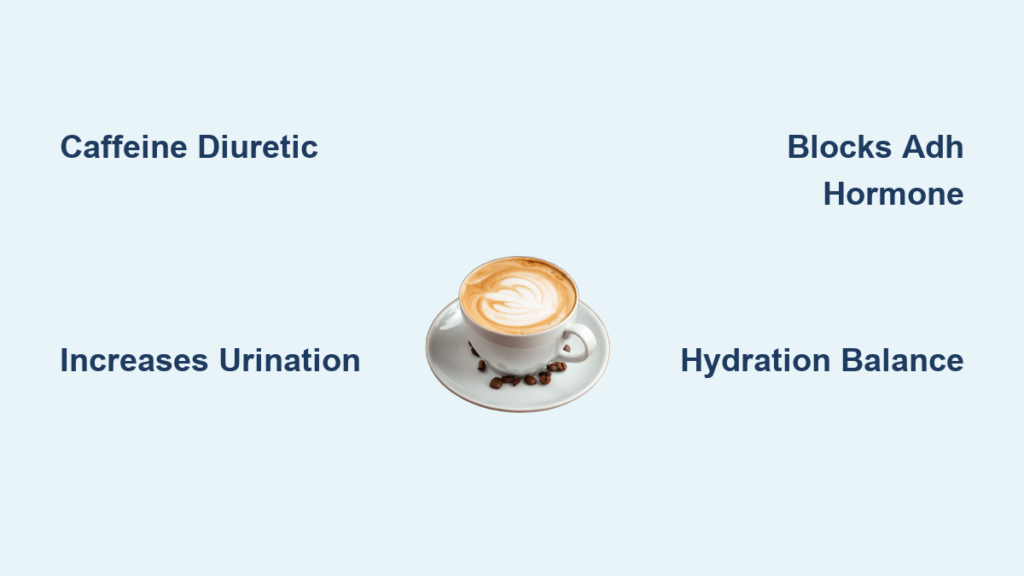
Caffeine’s impact on urine production isn’t just coincidence—it’s a direct physiological response. As a natural diuretic, caffeine actively stimulates your kidneys to produce more urine by interfering with your body’s fluid regulation system. When you drink coffee, caffeine molecules quickly enter your bloodstream, reaching peak concentration within 30-60 minutes. During this time, you may notice an increasingly urgent need to urinate, sometimes even before you’ve finished your cup.
The intensity of this effect varies based on several factors unique to you:
– Your caffeine tolerance level (regular drinkers experience less pronounced effects)
– Total coffee consumption (more cups = stronger diuretic effect)
– Your baseline hydration status before drinking
– Individual sensitivity to caffeine’s biological effects
For coffee newcomers or those consuming larger-than-usual amounts, the bathroom trips may be more frequent and urgent. But even habitual drinkers experience some degree of increased urination—it’s simply less noticeable due to developed tolerance. This explains why your third cup of the day might not send you running quite as urgently as your first.
How Caffeine Hijacks Your Body’s Water Conservation System

Your body maintains precise water balance through a sophisticated hormonal system centered around anti-diuretic hormone (ADH), also known as vasopressin. When your body detects dehydration, your pituitary gland releases ADH into your bloodstream, signaling your kidneys to conserve water. This hormone triggers the production of specialized proteins called aquaporins that act like microscopic water channels, pulling fluid from urine back into your bloodstream before it’s eliminated.
Here’s where coffee disrupts the process: caffeine blocks ADH production at the source. Without sufficient ADH signaling, your kidneys stop manufacturing those critical aquaporins. The result? Your kidneys can’t efficiently reabsorb water from urine, causing more fluid to pass through your system and exit your body. Think of it like turning off the recycling system in a water treatment plant—instead of reclaiming and reusing water, everything gets flushed out.
This hormonal interference explains why coffee’s diuretic effect kicks in faster and feels more urgent than drinking an equivalent amount of water. Your body isn’t just processing liquid—it’s operating under false instructions that tell it to eliminate fluid rather than conserve it.
What Happens in Your Kidneys After That First Sip
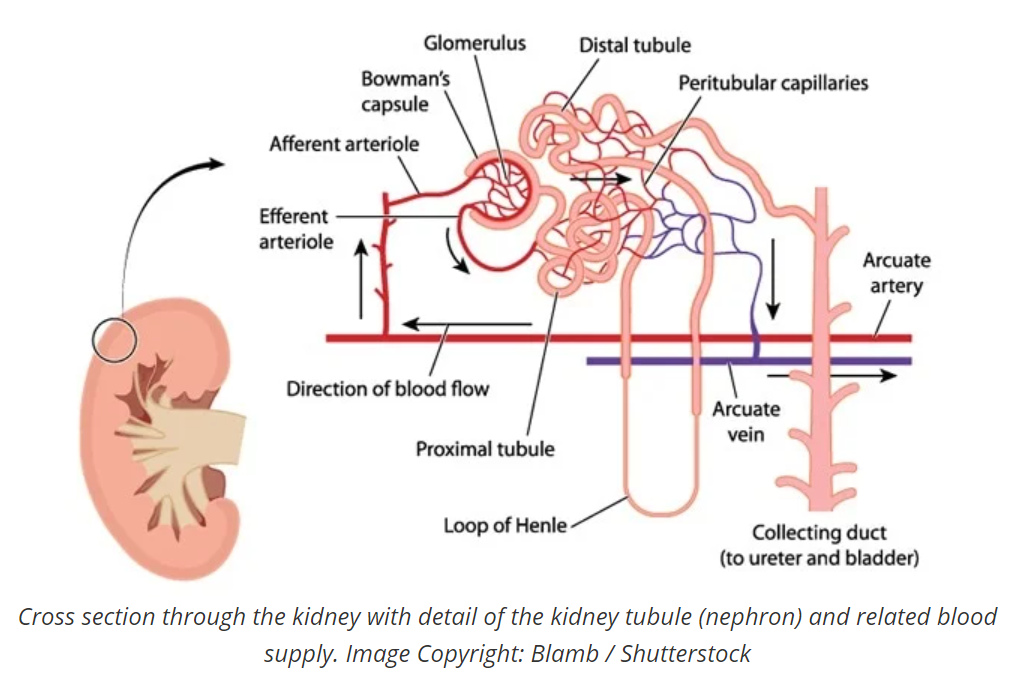
Under normal conditions, your kidneys filter approximately 180 liters of blood daily, carefully deciding how much water to keep and how much to eliminate. The aquaporin system plays a crucial role in this process, reclaiming about 99% of filtered water back into your bloodstream. When caffeine suppresses ADH, this reclamation system becomes significantly less efficient.
Without adequate aquaporins doing their job, your kidneys allow more water to remain in the urine rather than pulling it back into circulation. This means:
– Your bladder fills faster than usual
– Urine appears clearer and more diluted
– You experience more frequent urges to urinate
– Total urine output increases by 20-50% compared to water
The effect follows a dose-response relationship—you’ll notice stronger effects from a triple espresso than a single shot of decaf. Interestingly, research shows that the diuretic effect plateaus at around 300-400mg of caffeine (roughly 3-4 cups of coffee), meaning additional coffee beyond this point doesn’t significantly increase urine production.
Debunking the Coffee Dehydration Myth
While coffee does make you pee more, the assumption that it dehydrates you is largely inaccurate for regular consumers. The water content in coffee offsets much of the diuretic effect, resulting in net positive hydration for most people. Multiple studies have shown that moderate coffee consumption (up to 4 cups daily) contributes to your daily fluid needs similarly to water for habitual drinkers.
Your body develops tolerance to caffeine’s diuretic properties over time, significantly reducing the effect. A 2014 study published in PLOS ONE found no significant differences in hydration status between people who drank coffee versus those who drank water. The researchers concluded that “coffee, consumed in moderation by caffeine-habituated males, contributes to daily fluid requirement and is no longer considered to result in a net loss of fluid.”
However, if you’re new to coffee or dramatically increase your intake, you might experience temporary fluid loss until your body adjusts. The key is maintaining balanced fluid consumption throughout the day—don’t replace all your water intake with coffee, but don’t avoid coffee for hydration fears either.
Smart Strategies to Reduce Coffee-Induced Bathroom Trips
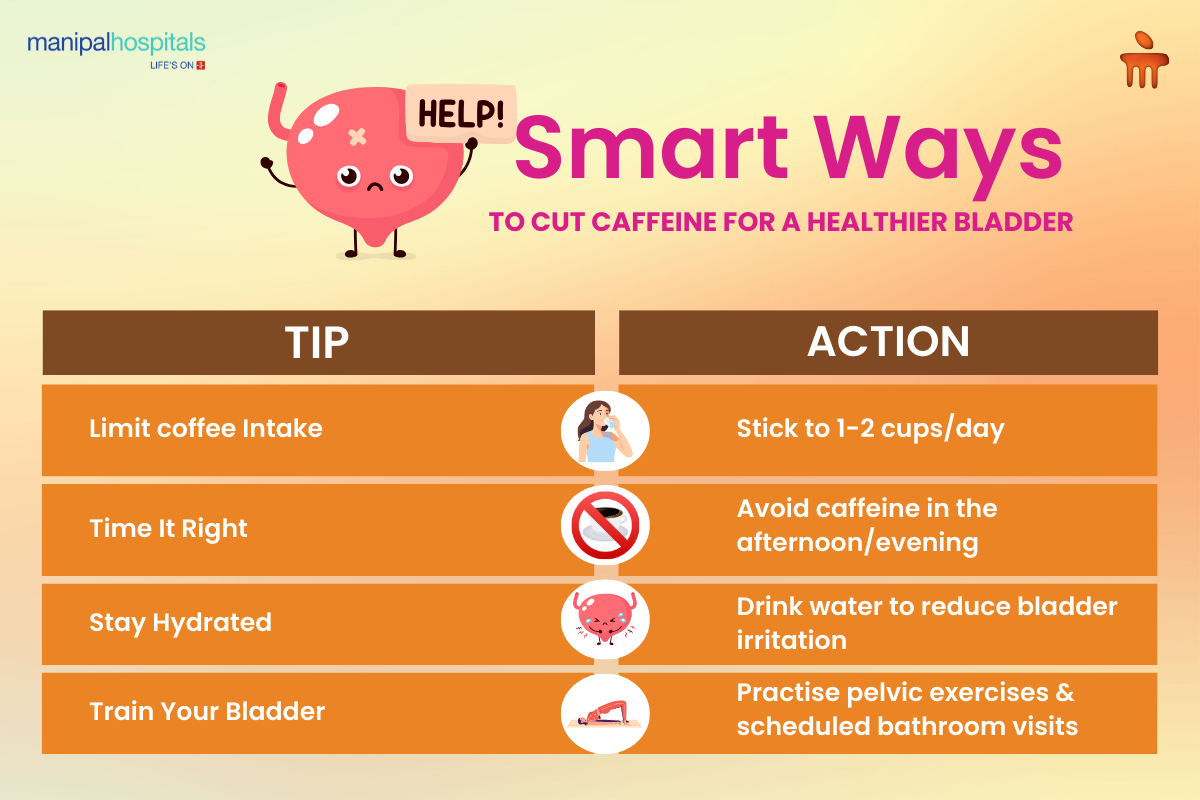
You don’t need to abandon your coffee habit to minimize those inconvenient bathroom visits. Try these practical, science-backed approaches:
Choose your coffee wisely
– Opt for dark roast varieties, which naturally contain slightly less caffeine than light roasts
– Consider half-caf options that blend regular and decaffeinated beans
– Select single-origin coffees known for lower caffeine content
Modify your drinking habits
– Sip coffee slowly rather than gulping it down
– Drink a glass of water before or alongside your coffee
– Avoid consuming multiple cups in quick succession
– Limit coffee intake during activities where bathroom access is limited
Adjust your timing
– Finish your last cup at least 2-3 hours before bedtime to prevent nighttime disruptions
– Schedule coffee consumption around natural bathroom breaks in your routine
– Save stronger brews for days when you’ll have easy bathroom access
These small changes can significantly reduce the urgency without requiring you to give up coffee entirely. Many coffee drinkers find that simply adding a glass of water with each cup makes a noticeable difference in urinary frequency.
When Coffee-Related Urination Signals a Bigger Problem
Frequent urination after coffee is normal for most people, but certain symptoms warrant medical attention:
– Urinating more than 8 times in a 24-hour period regardless of coffee intake
– Experiencing pain, burning, or discomfort during urination
– Noticing blood in your urine
– Waking up more than twice nightly to urinate
– Feeling urgency so strong you can’t reach the bathroom in time
These symptoms could indicate underlying conditions like urinary tract infections, overactive bladder, diabetes, or prostate issues (in men). If you experience these symptoms alongside coffee consumption, don’t assume it’s just the caffeine—consult a healthcare professional for proper evaluation.
For the vast majority of coffee drinkers, increased urination is simply an inconvenient but harmless side effect of enjoying your favorite beverage. Understanding the science behind why coffee makes you pee more empowers you to make informed choices about your consumption without unnecessary worry about dehydration.
Managing Your Coffee Habit Without Bathroom Anxiety
The question “does coffee make u pee more” has a clear answer based on established physiology—yes, it does. But this effect is temporary, manageable, and doesn’t necessarily compromise your overall hydration. By understanding how caffeine interacts with your body’s water regulation system, you can continue enjoying your daily coffee while minimizing disruptive bathroom trips.
Remember that moderate coffee consumption fits comfortably within a healthy hydration strategy for most people. The key is listening to your body, adjusting your habits as needed, and recognizing when urinary changes might indicate something beyond normal caffeine effects. With these insights, you can confidently enjoy your morning ritual without constantly watching the clock until your next bathroom break.