You’ve probably heard the warning at least once: “Don’t drink coffee, or you’ll stop growing!” This concern has been passed down through generations, with parents and grandparents cautioning young people about the supposed height-stunting effects of their morning cup of joe. But does coffee make you stop growing like so many believe? The straightforward answer is no—scientific evidence doesn’t support this claim. Despite its widespread acceptance, this idea is actually a myth with surprising origins that have nothing to do with legitimate health concerns. Understanding why this misconception persists and what research actually reveals about caffeine’s effects can help you make informed decisions about coffee consumption during your growing years.
The myth that coffee stunts growth has caused unnecessary worry for decades, but the reality is far less dramatic. While caffeine does have some real effects on calcium absorption—a mineral crucial for bone development—these effects are minor and easily counteracted with proper nutrition. Whether you’re a teenager who enjoys coffee, a concerned parent, or simply curious about this common health belief, it’s time to separate fact from fiction. This article examines the historical roots of this myth, reviews what scientific studies actually say about coffee and growth, and provides practical guidance for healthy caffeine consumption during childhood and adolescence.
How C.W. Post’s Marketing Campaign Created the Coffee Growth Myth
The belief that coffee stunts growth didn’t emerge from scientific research—it originated from clever marketing tactics in the early 1900s. Understanding this history explains why the myth has endured for over a century despite lacking scientific foundation.
The story begins with C.W. Post, the creator of Post cereals and a grain-based beverage called Postum. As coffee gained popularity, Post saw an opportunity to market his caffeine-free alternative by attacking coffee’s reputation. Postum advertisements specifically targeted parents, claiming coffee made children tired and irritable, caused failing grades in school, and most alarmingly, hindered their growth and development. These marketing messages were designed to scare parents into choosing Postum for their families instead of coffee.
The effectiveness of this campaign cannot be overstated. As Post cereals and Postum grew in popularity, so did the anti-coffee messaging. Parents who grew up seeing these advertisements passed the warning down to their children, creating a cycle where the marketing claim transformed into accepted wisdom. What began as a sales tactic became ingrained in popular culture, persisting even today despite modern research telling a different story about coffee and growth.
Caffeine’s Actual Effect on Calcium Absorption
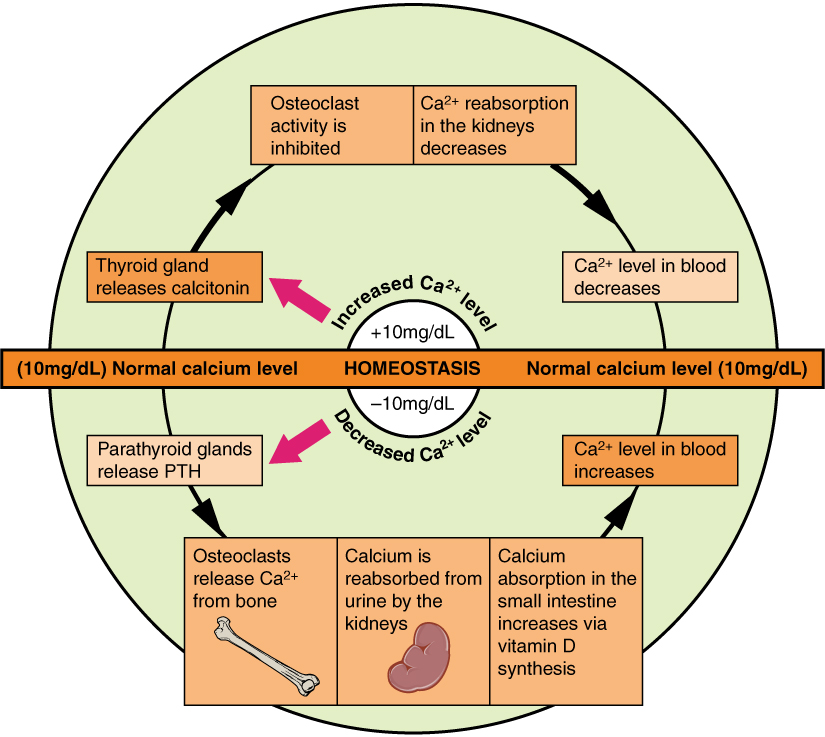
The scientific concern behind coffee and growth centers on caffeine’s relationship with calcium—not some mysterious height-suppressing compound in your morning cup. This connection is real but often misunderstood in terms of its actual impact.
Research has shown that caffeine can increase the amount of calcium your body excretes through urine. When you consume caffeine, a small portion of the calcium you would normally retain gets flushed out instead. This matters because calcium is the primary mineral responsible for building strong bones, and during childhood and adolescence, bones are still developing and require substantial calcium deposits to reach their maximum potential density.
Your body stores approximately 98% of its calcium in the bones and teeth, making this mineral critical for skeletal development. Bones aren’t static structures—they continuously break down and rebuild throughout life in a process called remodeling. This ongoing process requires a constant supply of calcium to form new bone tissue. However, the effect of caffeine on calcium excretion is relatively modest and can be easily offset by ensuring adequate calcium intake from other dietary sources.
How Much Calcium Do You Actually Lose From Coffee?
The amount of calcium lost due to caffeine consumption is surprisingly small—only about 2 to 4 milligrams of calcium per 100 milligrams of caffeine consumed. To put this in perspective, an 8-ounce cup of coffee contains approximately 95 milligrams of caffeine, meaning you might lose just 4 to 8 milligrams of calcium per cup.
This minor calcium loss can be completely offset by consuming just one or two tablespoons of milk with your coffee. A single cup of milk contains roughly 300 milligrams of calcium—far more than the small amount lost due to caffeine. This simple compensation mechanism means that coffee drinkers who include calcium-rich foods in their diet don’t need to worry about caffeine affecting their bone development. The key is maintaining overall calcium balance throughout the day rather than obsessing over any single food or beverage.
What Scientific Research Actually Reveals
Scientific studies on caffeine and bone health have produced mixed results, creating some controversy in the medical community about the true extent of caffeine’s impact. Older research suggested several concerning connections that deserve examination, though the overall picture is less alarming than the original myths imply.
Some earlier studies indicated that high caffeine consumption might decrease bone mineral density, particularly in women. Additional research linked heavy caffeine intake to an increased risk of hip fractures in certain populations. These findings contributed to ongoing debates about whether coffee genuinely poses risks to skeletal health. However, it’s crucial to note that many of these studies focused on adults with established bone density rather than growing children and adolescents.
The relationship between caffeine and calcium absorption appears to be dose-dependent, meaning effects are more pronounced with higher consumption levels. Moderate coffee consumption is unlikely to cause significant calcium loss, especially when paired with a balanced diet that includes calcium-rich foods. The body is remarkably adaptable and can compensate for moderate calcium losses by increasing absorption efficiency from dietary sources. This means that a young person who enjoys coffee occasionally and eats a reasonably balanced diet is probably not harming their growth potential.
Safe Caffeine Limits for Growing Children and Teens
:max_bytes(150000):strip_icc()/Beverages-Aimed-at-Kids-New-Guidelines-FT-BLOG0125-Infographic-fa2ce53d3fd4460b99367630fa005655.jpg)
While coffee doesn’t stunt growth, that doesn’t mean children and teenagers should consume unlimited amounts of caffeine. The developing brain and body have unique sensitivities to stimulants that make moderation important during growth years.
Health experts recommend that children under 12 avoid caffeine entirely, while teenagers should limit their intake to moderate levels—roughly equivalent to one cup of coffee per day. These recommendations have nothing to do with growth suppression but address other developmental concerns. Caffeine can interfere with sleep patterns, and adequate sleep is crucial for growth and development during childhood and adolescence. The stimulant effects may cause difficulty falling asleep, reduced sleep quality, or shorter sleep duration—all of which can impact the body’s natural growth hormone release that occurs during deep sleep stages.
Additionally, caffeine can cause jitteriness, anxiety, and increased heart rate in some children, with their smaller body sizes making them more sensitive to these effects than adults. Caffeine is also mildly addictive, and children may be more likely to develop dependency or tolerance over time. Regular caffeine consumption can lead to needing more to achieve the same stimulating effect, potentially creating a cycle of increasing intake.
Building Optimal Bone Density During Growth Years
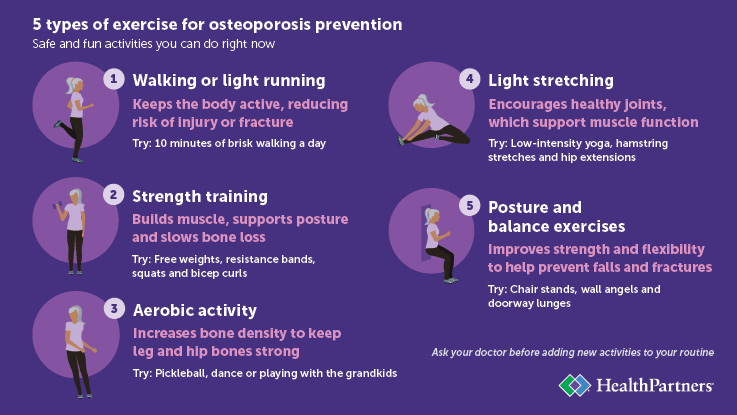
Rather than worrying about coffee stunting growth, young people and their parents should focus on the positive habits that actually promote optimal bone development. The teenage years represent a critical window for building peak bone mass that will last throughout adulthood.
Weight-bearing exercise is one of the most effective ways to build strong bones. Activities like running, jumping, hiking, and strength training create mechanical stress on bones that stimulates them to become denser and stronger. Young people should aim for at least 60 minutes of physical activity daily, with several sessions involving weight-bearing movements.
Calcium intake during growth years directly impacts how much bone mass you accumulate before your early twenties, when peak bone mass is typically reached. After this point, it becomes much harder to increase bone density, making the growth years irreplaceable for building a strong skeletal foundation. Dairy products remain the most concentrated dietary sources of calcium, but leafy greens, fortified plant milks, tofu, and canned fish with bones also provide significant amounts. Vitamin D is equally important because it enables your body to absorb calcium from food—sunlight exposure and fortified foods help maintain adequate vitamin D levels.
Healthy Coffee Alternatives for Kids and Teens
For families looking to avoid caffeine entirely during childhood, numerous alternatives can satisfy the desire for a warm, enjoyable beverage without the stimulant effects.
Herbal teas offer a wide variety of flavors without caffeine. Peppermint, chamomile, ginger, and rooibos teas are naturally caffeine-free and can be served warm or cold depending on the season. Many children enjoy these teas with a touch of honey for sweetness. Decaffeinated coffee is another option that provides the coffee flavor without the stimulating effects, though it still has a minor impact on calcium balance that can be offset with milk.
Malted milk drinks like Ovaltine provide a chocolate-flavored alternative that some children prefer over coffee. These drinks often contain added vitamins and minerals, including calcium, making them potentially beneficial for bone health. Warm milk with honey and a sprinkle of cinnamon creates a soothing bedtime drink that naturally supports sleep without any stimulants. The key is offering beverages that feel special and enjoyable so children don’t feel deprived while avoiding caffeine during their developing years.
The Final Verdict: Why Coffee Won’t Affect Your Height
After examining the origins, science, and practical implications, the evidence clearly shows that coffee does not make you stop growing. The calcium-related concerns that gave rise to this myth are real but easily managed through proper nutrition, and the modest calcium loss from moderate coffee consumption can be completely offset by including calcium-rich foods in your diet.
The persistence of this myth illustrates how marketing campaigns from over a century ago can shape public beliefs for generations. C.W. Post’s aggressive anti-coffee advertising created a fear that outlived its commercial purpose, transforming a sales tactic into accepted wisdom. While it’s worth understanding where these beliefs came from, there’s no need to continue passing them on without scientific justification.
Your genes play the largest role in determining your ultimate height, and coffee consumption isn’t among the factors that can change that outcome. Focus on the proven strategies for strong bones—adequate calcium intake, sufficient vitamin D, regular weight-bearing exercise, and avoiding smoking and excessive alcohol—rather than worrying about whether an occasional cup of coffee will affect your height. The more important considerations around coffee and young people involve sleep quality, caffeine sensitivity, and establishing healthy habits, not growth suppression.