That familiar gurgle of your morning coffee brewing has become part of your daily ritual—until suddenly it stops. When your coffee maker fails, the immediate question surfaces: how long should a coffee maker last before needing replacement? The frustrating reality is that coffee makers don’t come with expiration dates, but most quality machines deliver reliable service for 4 to 5 years with proper care. Some may conk out after just two years, while others keep brewing strong for a decade. Understanding what determines your appliance’s lifespan helps you maximize your investment and recognize when it’s time for a replacement.
Your coffee maker’s longevity depends on three critical factors: how often you use it, how well you maintain it, and the quality of the machine itself. A neglected $50 drip brewer might last half as long as a well-cared-for $200 model. This guide reveals exactly what influences your coffee maker’s lifespan, how to spot when replacement is necessary, and practical steps to extend your machine’s operational years—saving you money and morning frustration.
Why Your Coffee Maker Fails Before 4 Years
Many coffee makers never reach their potential lifespan due to preventable issues that accelerate wear and tear. Understanding these common failure points helps you avoid premature replacement costs and keeps your morning routine intact.
Daily Usage That Shortens Machine Life
The number of cups you brew daily directly impacts your coffee maker’s longevity. A simple calculation—dividing 1,000 by your daily brew count—provides a rough estimate of your machine’s operational years. For example, brewing five cups daily suggests approximately two years of service before component failure becomes likely.
Heavy daily use strains heating elements, pumps, and water pathways with each cycle. While regular use keeps components active, excessive brewing without proper maintenance causes cumulative damage that eventually overwhelms internal systems. Machines designed for commercial use handle heavier volumes, but standard home models quickly show wear when pushed beyond their intended capacity.
Neglected Maintenance That Causes Early Failure
Skipping routine cleaning creates cascading problems that shorten your coffee maker’s lifespan significantly. Coffee oils accumulate inside brewing chambers and water lines, while mineral deposits from tap water insulate heating elements and clog internal pathways. These issues compound over time until your machine can no longer function properly.
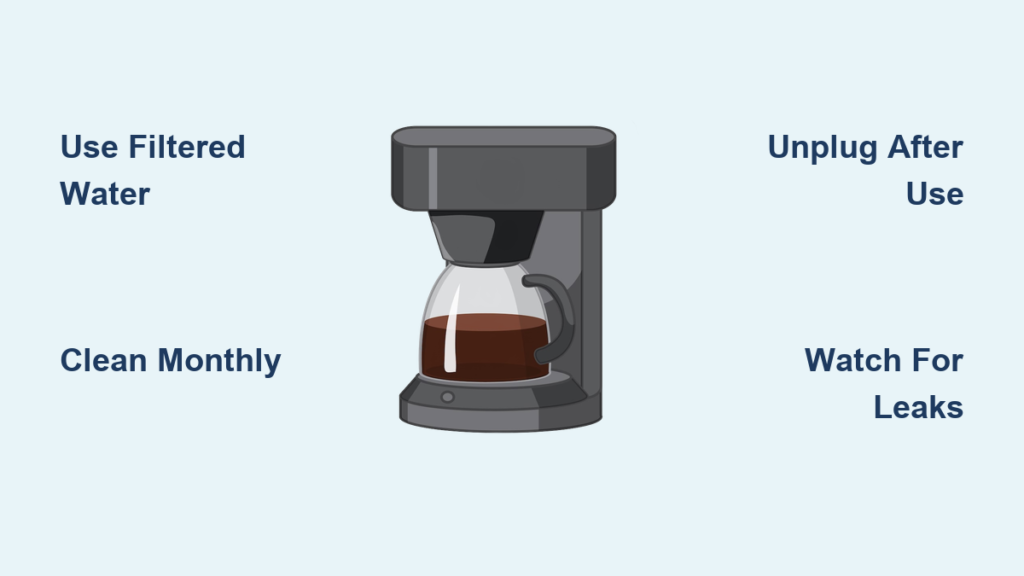
Monthly cleaning with mild soap and water, plus periodic descaling for machines in hard water areas, prevents the buildup that causes most premature failures. Machines receiving consistent care often double their operational life compared to neglected counterparts—making maintenance the single most impactful factor you control.
Drip Coffee Makers: Maximizing Your 3-5 Year Lifespan

Standard drip coffee makers represent the most common home brewing method, with most models lasting 3 to 5 years when properly maintained. Understanding their specific vulnerabilities helps you extend service life and recognize when replacement becomes necessary.
Critical Maintenance for Drip Machine Longevity
Extend your drip coffee maker’s life by implementing three essential practices immediately. First, use filtered water instead of tap water to reduce mineral buildup that damages heating elements. Second, unplug the machine when not in use for extended periods to prevent electrical stress and protect against power surges. Third, ensure proper pod and carafe compatibility—using mismatched components creates pressure imbalances that strain internal systems.
When heating inconsistencies, persistent leaks, or overflow issues emerge despite proper maintenance, replacement typically makes more financial sense than repair. These symptoms usually indicate multiple failing components rather than a single repairable issue.
Single-Serve Machines: Getting Full Value From Your 3-5 Year Investment
Keurig, Nespresso, and similar single-serve machines follow similar lifespan expectations as drip brewers—typically 3 to 5 years—but face unique challenges due to their proprietary pod systems and complex internal mechanisms.
Avoiding Pod-Related Damage to Extend Machine Life
Using incompatible pods represents the fastest way to destroy your single-serve coffee maker. Non-approved pods often have incorrect dimensions that damage puncturing needles, create improper seals, or leave residue that clogs internal pathways. This damage frequently voids manufacturer warranties while accelerating component failure.
Protect your investment by using only manufacturer-approved pods and performing monthly cleaning of the pod insertion area. Pay special attention to the exit needle that punctures pods—coffee grounds and metal fragments from low-quality pods quickly clog this critical component. Regular descaling prevents mineral buildup in narrow water pathways that would otherwise cause pump failure.
Espresso Machines: Why Premium Models Last 5-15 Years
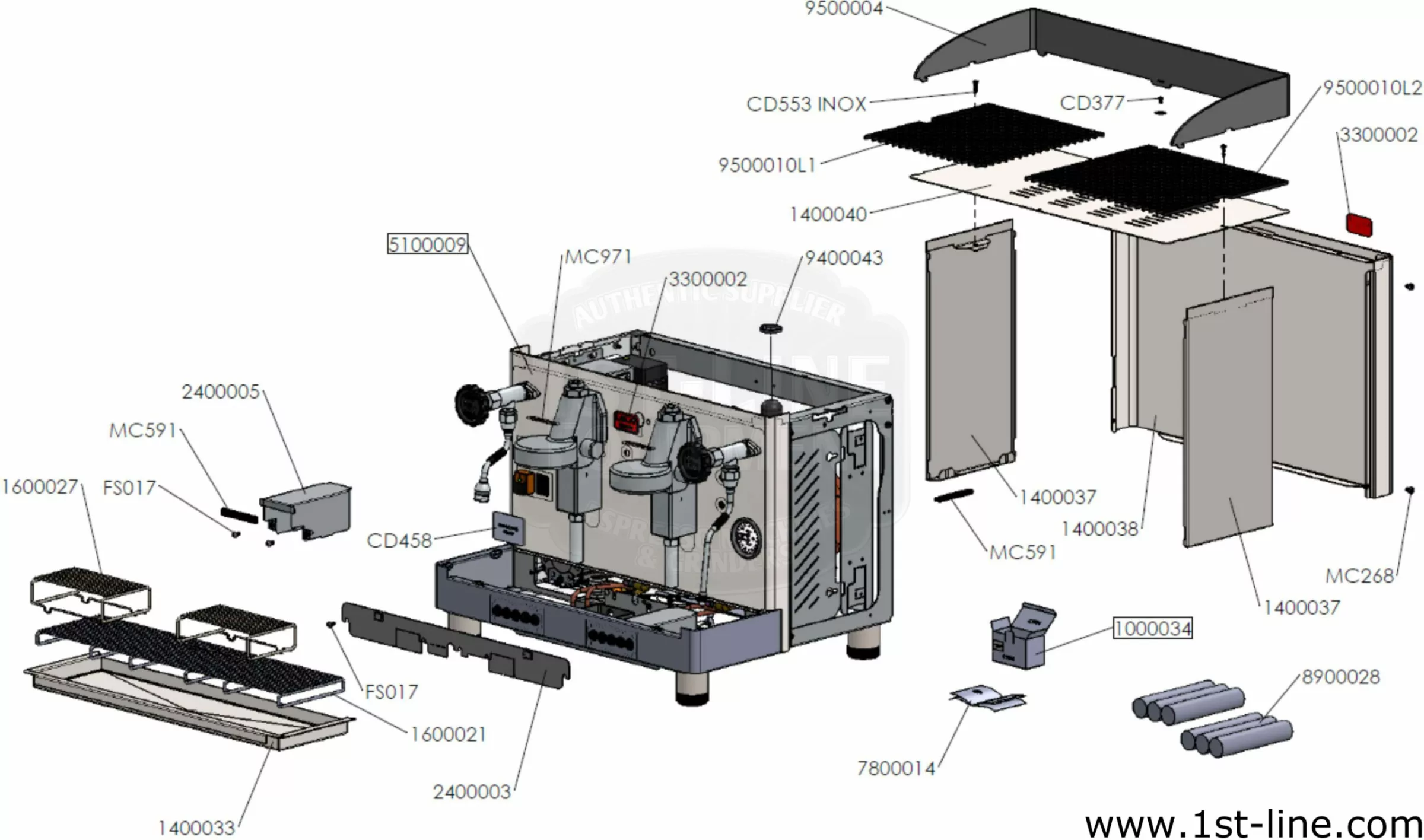
Espresso machines demonstrate the widest lifespan variation—from 5 to 15 years—based on type, quality, and maintenance. This extended range reflects significant differences between basic models and high-end machines with commercial-grade components.
Leveraging Proper Care for Decade-Long Espresso Service
Manual and semi-automatic espresso machines typically outlast fully automatic models due to simpler construction with fewer electronic components to fail. The heating system in quality espresso machines lasts 5 to 7 years before showing degradation signs, though premium components in high-end models often exceed this timeframe substantially.
Espresso machines require more intensive maintenance than standard brewers due to higher operating pressures. Implement regular backflushing, group head cleaning, and gasket replacement to maintain pressure consistency. Professional servicing every 2-3 years addresses internal wear that home maintenance cannot reach, potentially adding years to your machine’s operational life.
Immediate Actions to Add Years to Your Coffee Maker
You can extend your coffee maker’s lifespan starting today with simple, no-cost practices that prevent the most common causes of premature failure.
Filter Your Water Before Every Brew
Switching to filtered water immediately reduces mineral buildup that damages heating elements and clogs internal pathways. Even basic pitcher filters remove enough calcium and magnesium to significantly extend component life while improving coffee taste by eliminating chlorine and other impurities.
For areas with exceptionally hard water, consider a dedicated water softening system. The initial investment pays for itself through reduced descaling frequency and extended machine life—typically adding 1-2 years to your coffee maker’s operational timeline.
Power Down Completely After Each Use
Leaving your coffee maker plugged in continuously subjects internal electronics to constant electrical stress. Unplugging after each use eliminates this wear factor while protecting against power surges during storms or grid fluctuations.
Even without unplugging, turning off the machine after brewing rather than leaving it in standby mode reduces thermal cycling stress on heating elements. This simple habit requires no additional time but prevents the cumulative damage that leads to premature heating element failure.
Warning Signs Your Coffee Maker Needs Replacement

Recognizing these failure indicators helps you replace your machine before complete breakdown disrupts your morning routine or creates safety hazards.
Consistent Temperature Problems
When your coffee maker produces lukewarm coffee despite proper brewing cycles, internal heating components are failing. Lutewarm coffee after years of service indicates a malfunctioning heating element, thermostat, or temperature sensor that cleaning cannot resolve.
For machines over three years old, repair costs often exceed replacement value. Persistent temperature issues that don’t improve with descaling signal component degradation that makes continued investment impractical.
Multiple Leak Sources Simultaneously
Pools of water around or beneath your coffee maker indicate seal failure or component damage. While single-point leaks might be repairable, multiple leak sources—such as simultaneous failures at the water tank, group head, and base connections—signal systemic deterioration.
When leaks appear in several areas at once, the machine has generally reached the end of its reliable service life. Continued use risks electrical hazards and water damage to surrounding surfaces.
Permanent Taste Contamination
If your coffee tastes consistently bitter, metallic, or otherwise unpleasant despite using fresh beans and filtered water, internal contamination has likely occurred. Coffee oils accumulate inside brewing pathways over time, and mineral deposits can impart off-flavors that cleaning cannot fully eliminate.
Persistent taste problems that don’t improve with thorough cleaning and descaling suggest that internal components have absorbed flavors or degraded to a point where proper brewing becomes impossible. At this stage, replacement provides better coffee than continued use of a compromised machine.
When to Repair Versus Replace Your Machine
Evaluating whether to repair or replace requires considering three critical factors beyond simple cost comparison.
Age Relative to Expected Lifespan
Compare your machine’s current age to its expected service life. A five-year-old machine experiencing its first major problem likely has other components nearing failure, making continued investment risky. A two-year-old machine with a single component failure often represents a good repair candidate.
For basic coffee makers under $100, repair rarely makes economic sense unless the problem is minor and parts are readily available. Mid-range machines warrant careful analysis, while premium models may justify significant repair investment.
Warranty Coverage and Parts Availability
Check whether your machine remains under warranty—some repairs may be covered at no cost. For out-of-warranty machines, research parts availability before committing to repair. Discontinued models often have limited or no replacement components, making repair impossible regardless of cost.
Manufacturer service networks provide the most reliable repair options, though costs vary significantly between brands. Contact customer support to determine parts availability and estimated repair costs before proceeding.
Budget-Friendly Alternatives When Replacement Is Necessary
When your coffee maker reaches end-of-life, consider these alternatives that often provide longer service with simpler construction.
Manual Brewing Methods for Decades-Long Service
Manual methods like French press, pour-over, and AeroPress contain few or no moving parts to fail. Properly cared for, these devices can last decades while producing excellent coffee with greater control over brewing variables.
Stovetop espresso makers (moka pots) offer strong coffee with all-metal construction that withstands decades of use. Their simple design eliminates electrical components that fail in traditional machines while delivering concentrated coffee similar to espresso.
By understanding what affects coffee maker longevity, recognizing warning signs of impending failure, and implementing consistent maintenance practices, you ensure reliable morning coffee for years to come. Treat your coffee maker as the precision appliance it is—giving it the care it deserves while enjoying the countless cups it delivers.