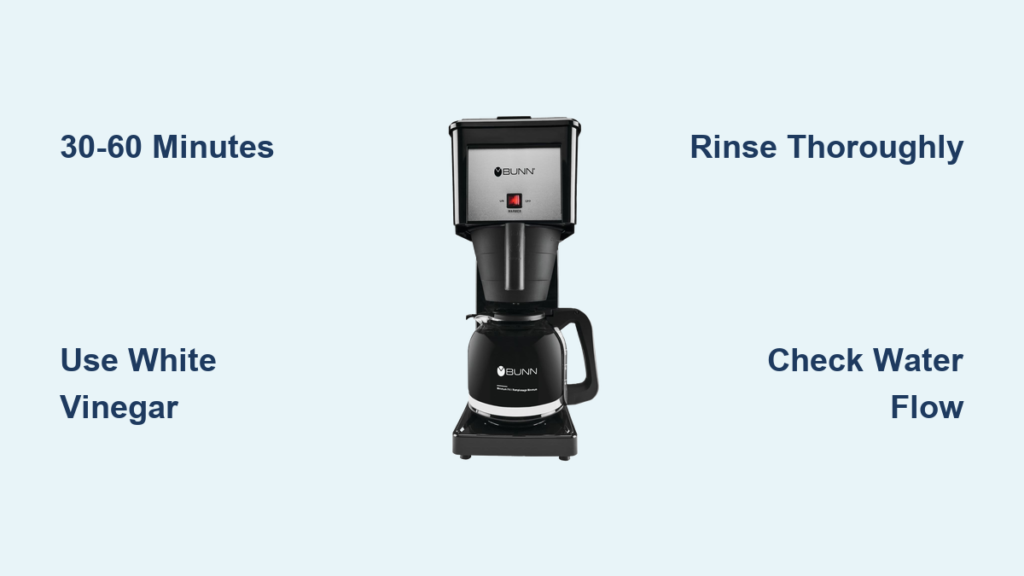
Your Bunn coffee maker has started producing weaker brews, and you’ve noticed strange mineral deposits around the spray head. You know it’s time for a deep cleaning with vinegar, but you’re stuck wondering exactly how long to leave vinegar in Bunn coffee maker components to effectively remove buildup without damaging the machine. Getting this timing wrong could mean ineffective cleaning or potential damage to your coffee maker’s internal components. The ideal vinegar soak duration for Bunn coffee makers typically ranges from 30 minutes to 1 hour for standard cleaning cycles, though severe mineral buildup may require longer exposure. This guide provides precise timing recommendations, step-by-step instructions, and model-specific guidance to ensure your Bunn coffee maker receives the perfect vinegar treatment for peak performance and longevity.
Ignoring proper vinegar cleaning intervals leads to reduced water flow, inconsistent brewing temperatures, and eventually complete machine failure. Many coffee enthusiasts make the critical mistake of either rushing the process or leaving vinegar in too long, both of which compromise your coffee maker’s functionality. You’ll learn exactly how long to leave vinegar in Bunn coffee maker reservoirs based on your specific model and the severity of mineral buildup, plus discover professional techniques that ensure thorough cleaning without damaging sensitive components. By following these precise instructions, you’ll restore your coffee maker’s performance and avoid costly replacements.
Why Vinegar Soak Duration Critical for Bunn Coffee Maker Performance
The exact time you leave vinegar in your Bunn coffee maker directly impacts how effectively mineral deposits dissolve from internal components. Vinegar works through a chemical reaction where acetic acid breaks down calcium carbonate (limescale), but this process requires sufficient contact time. Too little time leaves stubborn deposits intact, while excessive exposure can deteriorate rubber seals and metal components over time. Bunn’s commercial-grade construction withstands vinegar better than cheaper models, but still has limits.
Leaving vinegar in your Bunn coffee maker for less than 20 minutes typically fails to penetrate thick mineral buildup in the heating element and water lines. Conversely, allowing vinegar to sit for more than 2 hours risks damaging the machine’s internal gaskets and potentially corroding metal parts. The sweet spot for most Bunn models falls between 30-60 minutes, giving acetic acid enough time to dissolve deposits without compromising component integrity. You’ll know the timing was right when water flows freely through all channels and your coffee regains its full flavor profile.
Standard Vinegar Cleaning Procedure for Home Bunn Coffee Makers
Preparing the Correct Vinegar Solution
Start with a 1:1 mixture of white distilled vinegar and cold water—never use apple cider or other vinegars that could leave residual flavors. Fill your Bunn coffee maker’s reservoir to the maximum line with this solution, ensuring complete submersion of all internal components that come in contact with water. For models with removable water tanks, take the tank out and fill it separately before reinstallation. Using undiluted vinegar risks damaging your machine, while weaker solutions won’t effectively break down stubborn mineral deposits.
Executing the Initial Vinegar Cycle
Place an empty carafe on the warming plate and start a normal brew cycle with your vinegar solution. Allow approximately 60% of the solution to run through the system before canceling the cycle. This partial cycle ensures vinegar coats all internal pathways while leaving sufficient solution in the reservoir for the critical soaking phase. Watch for proper drainage—slow flow indicates significant buildup requiring longer soak time. If vinegar doesn’t begin flowing within 30 seconds, your machine needs immediate descaling attention.
Critical Waiting Period: How Long to Leave Vinegar in Bunn Coffee Maker

Turn off your Bunn coffee maker and let the remaining vinegar solution sit for exactly 30 minutes for routine maintenance cleaning. For visible mineral buildup or machines that haven’t been cleaned in 3+ months, extend this to 45-60 minutes. During this time, the vinegar actively dissolves mineral deposits from the heating element, spray head, and internal tubing. Set a timer—don’t guess! Bunn’s stainless steel components can withstand this duration, but longer periods increase risk to rubber seals. Check periodically for bubbles indicating active mineral breakdown.
Completing the Cleaning With Thorough Rinse Cycles
After the waiting period, resume the brew cycle to flush remaining vinegar through the system. Follow with 3-5 complete cycles of fresh cold water to eliminate all vinegar residue. The first rinse cycle may appear cloudy as dissolved minerals flush out. Continue rinsing until water runs completely clear and you detect no vinegar odor. Skipping adequate rinsing leaves acidic residue that affects coffee taste and gradually damages internal components.
Troubleshooting Vinegar Cleaning Timing Issues
When Standard Vinegar Time Isn’t Enough for Heavy Buildup
If your Bunn coffee maker still shows restricted water flow after a standard 30-minute vinegar soak, you need an extended treatment. For severe mineral accumulation, disconnect power and let vinegar solution sit in the reservoir for up to 2 hours, checking every 30 minutes. For commercial Bunn models with accessible components, remove the spray head assembly and soak it separately in vinegar for 1-2 hours. Never exceed 2 hours total exposure time across all cleaning sessions within a 24-hour period.
Recognizing Vinegar Overexposure Damage
Leaving vinegar in your Bunn coffee maker too long manifests as persistent vinegar taste after multiple rinses, visible deterioration of rubber gaskets, or metallic flavors in coffee. If you accidentally left vinegar overnight, run 8-10 rinse cycles immediately and inspect internal components for damage. Minor overexposure typically resolves after thorough rinsing, but prolonged exposure may require professional servicing or component replacement. Always note the exact time you start your vinegar soak to prevent this common mistake.
Model-Specific Vinegar Cleaning Time Guidelines
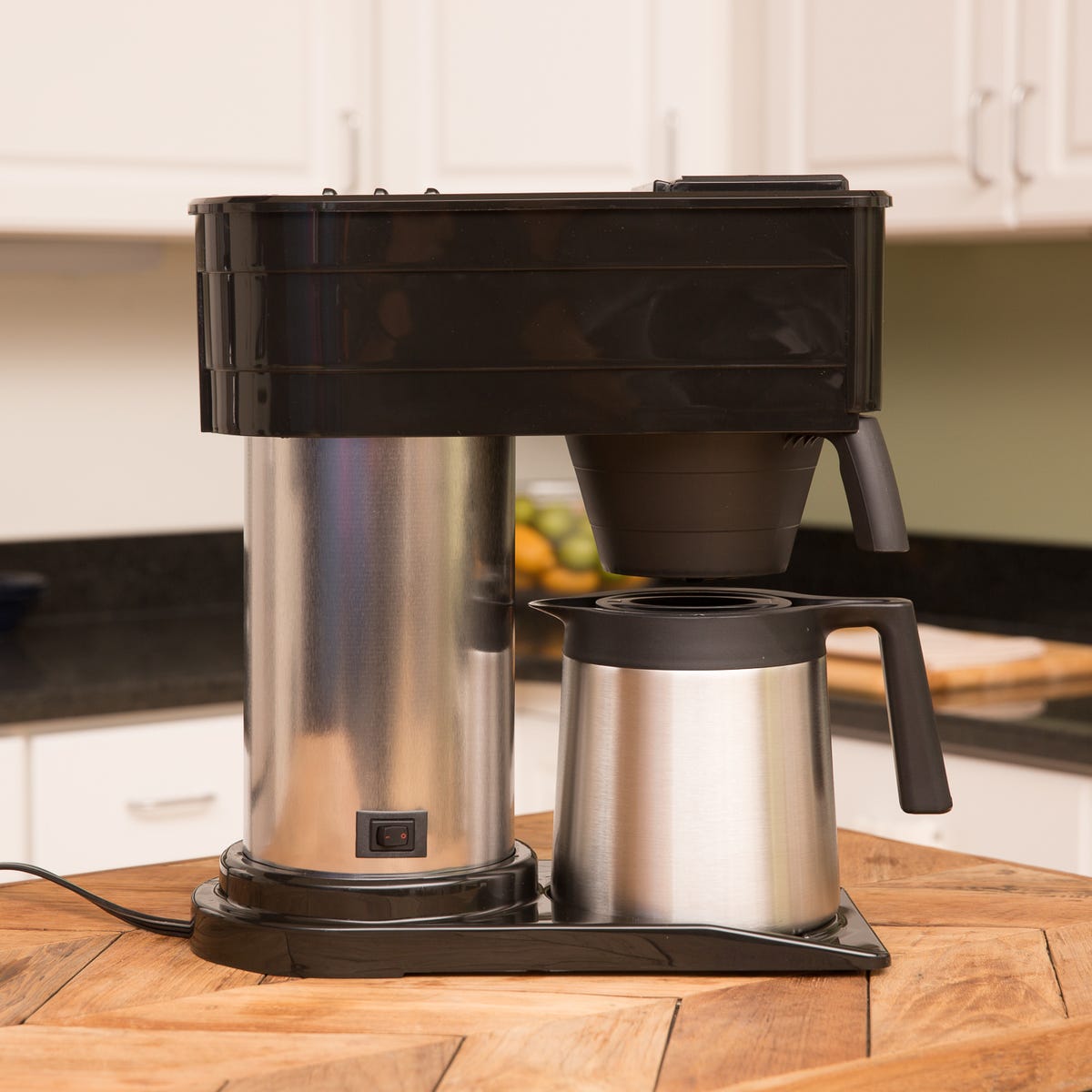
Bunn’s residential Velocity series requires only 25-35 minutes of vinegar soak time due to its smaller internal components, while the commercial New Standard series benefits from the full 60-minute duration to penetrate robust commercial-grade plumbing. For Bunn’s single-cup My Cafe models, limit vinegar exposure to 20 minutes maximum due to more delicate internal mechanisms. The BT and NHB series respond best to two shorter vinegar cycles (20 minutes each) rather than one extended soak. Always consult your specific model’s manual for precise recommendations, as newer Bunn models with advanced materials may have different vinegar tolerance levels.
Safety Considerations During Vinegar Cleaning Process

Never leave vinegar in your Bunn coffee maker unattended while powered on—always disconnect electricity during the soaking phase. The combination of electricity and acidic solution creates potential corrosion risks to internal wiring. Vinegar fumes become problematic when left for extended periods in enclosed spaces, so ensure proper ventilation during and after cleaning. Avoid using hot vinegar solutions, as elevated temperatures accelerate the cleaning process but also increase the risk of damaging temperature-sensitive components. Always use white distilled vinegar—other varieties contain additives that could damage your machine or leave persistent flavors.
Post-Cleaning Verification and Maintenance Schedule
After completing your vinegar cleaning cycle, brew a test pot with plain water and check for any lingering vinegar taste or odor. If present, run 2-3 additional rinse cycles. For optimal performance, establish a regular cleaning schedule: monthly for hard water areas, quarterly for moderate hardness, and every 6 months for soft water regions. Using filtered water extends intervals between deep cleanings and reduces the required vinegar soak time during maintenance sessions. Keep a log of your cleaning dates and observed mineral buildup to refine your personal vinegar timing for your specific water conditions.
Preventing Future Buildup to Reduce Vinegar Soak Time
Installing an inline water filter specifically designed for Bunn coffee makers reduces mineral content before it enters your machine, potentially cutting your required vinegar soak time in half. Regular daily wiping of the spray head prevents surface deposits from hardening into stubborn buildup. For commercial settings, consider Bunn’s specialized descaling solutions which work faster than vinegar, reducing required dwell time to 15-20 minutes. Remember that prevention is always more effective than remediation—consistent light maintenance means less frequent deep cleaning with vinegar.
When performed correctly with precise timing, vinegar cleaning restores your Bunn coffee maker to near-factory performance, ensuring optimal water temperature, flow rate, and coffee extraction. The ideal vinegar soak duration—typically 30-60 minutes depending on your model and water conditions—strikes the perfect balance between effective descaling and component preservation. By following these specific timing guidelines and model considerations, you’ll maximize your coffee maker’s lifespan while enjoying consistently great-tasting coffee. Mark your calendar for your next cleaning session based on your water hardness, and your Bunn coffee maker will continue delivering perfect brews for years to come.