Your morning coffee ritual deserves better than inconsistent, bitter brews caused by the wrong grinder. As someone who has tested over 50 different grinders and earned a Q Grader certification through rigorous blind tasting protocols, I can tell you that your grinder choice matters more than any other piece of equipment in your coffee setup. The difference between a muddy, bitter cup and one bursting with clarity and complexity often comes down to one thing: how evenly your beans are ground. This guide walks you through everything you need to know to find the perfect grinder for your brewing style, budget, and coffee preferences—without wasting money on features you’ll never use.
Match Your Brewing Method to Grinder Capabilities
Your primary brewing method should drive your grinder selection more than any other factor. Espresso demands the finest, most consistent grind of any brewing method, while French press requires the coarsest. If you own or plan to own an espresso machine, you need a grinder capable of extremely fine adjustments with minimal variation—most entry-level grinders simply cannot grind fine enough for espresso or lack the precision in the finer adjustment range.
The most common mistake I see is buying a drip-focused grinder when you eventually want to explore espresso. If you think you might want to make espresso someday, plan ahead and get a grinder designed for it from the start. Dedicated espresso grinders like the Eureka Mignon Specialita or DF64 Gen 2 offer the consistency and range that espresso requires, while filter coffee specialists like the Fellow Ode Gen 2 excel at pour-over methods.
Why Your Current Grinder Might Be Ruining Your Espresso
If your espresso shots taste bitter with uneven extraction, your grinder likely produces inconsistent particle sizes. Look for these visual cues: pools of dark liquid on top of your puck (channeling) or sour, weak shots despite proper brewing time. Espresso requires particles between 100-300 microns—most budget grinders produce too many fines (dust) and boulders (chunks), leading to simultaneous over- and under-extraction.
Conical vs Flat Burrs: Which Delivers Better Flavor?

Understanding the difference between conical and flat burrs helps you make an informed choice, though neither is universally superior—it depends on your priorities and brewing methods. Conical burrs appear in many entry-level electric grinders and most manual grinders due to their smaller size. They tend to produce espresso shots with better mouthfeel and body, making them popular among home baristas focused on milk-based drinks.
Flat burrs are more common in professional equipment and high-end home grinders. They are faster and more efficient, though they retain more grounds and can be harder to dial in precisely. The trade-off is often superior particle consistency, with fewer boulders compared to conical burrs. The DF54, DF64 Gen 2, and Fellow Ode Gen 2 all use flat burrs to achieve the clarity that filter coffee enthusiasts prize.
Ceramic vs Steel Burrs: Why Steel Wins for Home Use
Steel burrs stay sharper longer than ceramic alternatives, requiring less effort in manual grinders and maintaining consistency over years of use. The best manual grinders—all 1Zpresso models and Timemore’s C2, C3, and S3—use high-quality steel burrs that produce excellent particle distribution. Ceramic burrs, common in budget manual grinders, are typically duller, meaning manual grinding requires significantly more effort and they can shatter if a small stone gets into the beans.
Manual vs Electric: Which Grinder Type Fits Your Lifestyle?
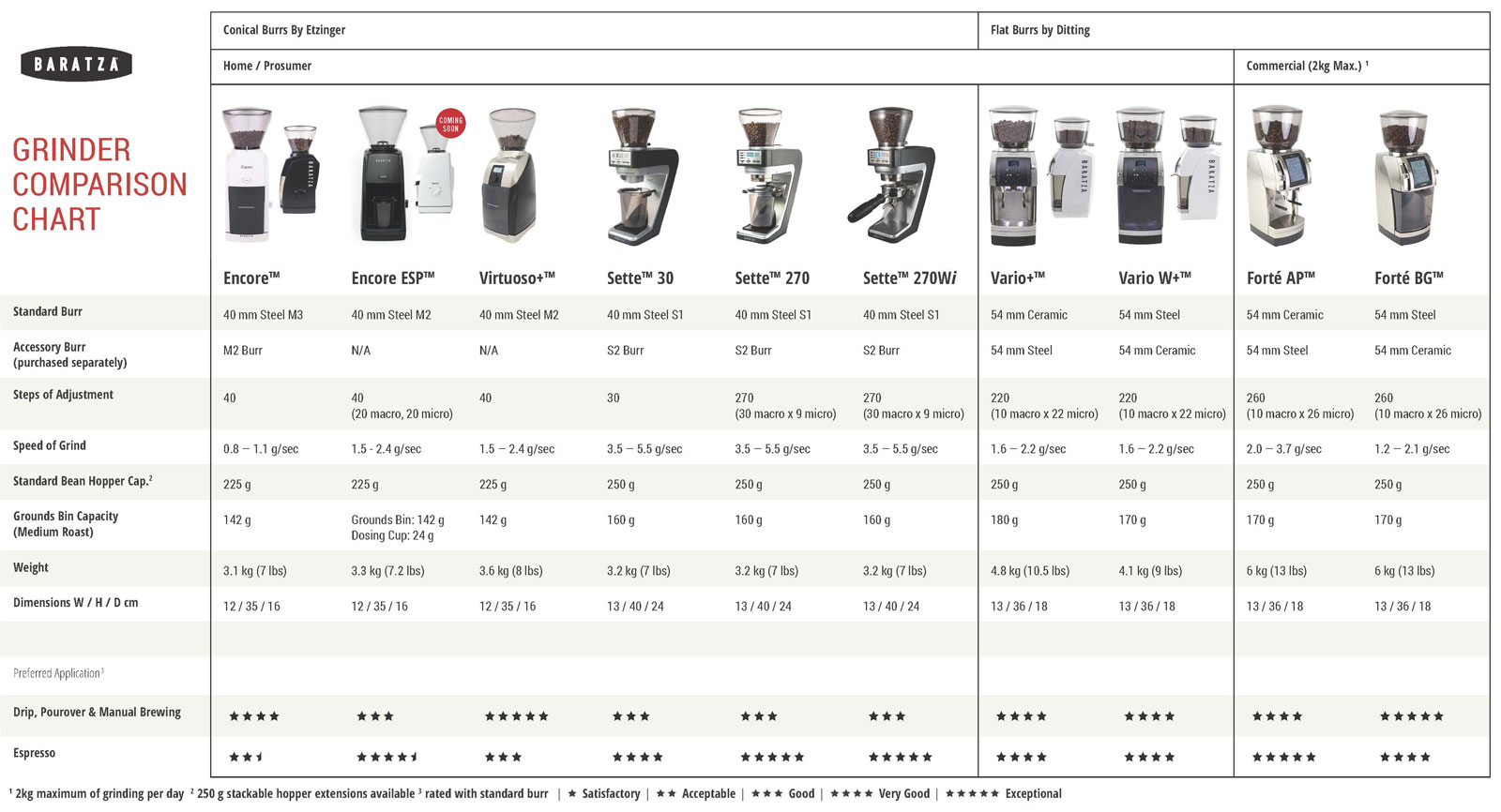
Manual grinders offer exceptional value and can produce results rivaling electric machines at a fraction of the cost. The 1Zpresso Jx delivers a massive flavor upgrade over electric entry-level options like the Baratza Encore, making it the ultimate bang-for-the-buck choice for serious coffee lovers. For travelers or those with limited kitchen space, manual grinders like the Timemore C2 are compact and require no electricity—the trade-off is the physical effort required.
Electric grinders offer convenience and consistency without physical effort. The DF54 has disrupted the market by offering near-professional performance at an accessible price point, handling both espresso and filter coffee with ease. The Baratza Encore ESP provides a solid all-rounder option that works for both drip coffee and espresso without breaking the bank. Warning: Most serious home baristas eventually end up with both—a manual grinder for travel and single-origin exploration, and an electric grinder for daily convenience.
Why Single-Dosing Grinders Deliver Fresher Coffee
Single-dosing has become the gold standard among coffee enthusiasts, and understanding it helps you choose the right grinder design. Traditional grinders feature large hoppers designed to store beans for multiple brewing sessions, but beans start losing freshness the moment they’re exposed to air. Single-dosing eliminates this problem by grinding only what you need for each brew, keeping the rest of your beans sealed.
Single-dosing grinders like the DF64 Gen 2 feature small grind chambers designed for one dose at a time. You measure your beans before grinding, drop them in, and grind fresh. These grinders are designed for minimal retention—the amount of old grounds that cling to the burrs between uses. Pro tip: All manual grinders are inherently single-dosing designs since they lack hoppers entirely, which is why hand grinders have become so popular among freshness-focused coffee lovers.
Budget Breakdown: What You Get at Each Price Point
Coffee grinders span an enormous price range, from under $50 to several thousand dollars. Understanding what you get at each level helps you invest wisely.
- Under $100: The Timemore C2 stands alone as the cheapest acceptable grinder for serious coffee. It delivers proper consistency for drip coffee and French press, miles ahead of blade grinders.
- $100-$300: The DF54 and Baratza Encore ESP represent the sweet spot for most home baristas, handling both espresso and filter coffee admirably.
- $300-$600: The Timemore Sculptor 064s and DF64 Gen 2 open up professional-quality grinding with upgrade potential.
- Above $600: The DF64V and Eureka Mignon Specialita cater to enthusiasts who demand the absolute best, rivaling commercial equipment.
Top 3 Grinder Recommendations for Different Needs

Based on extensive testing, these grinders excel in their respective categories:
Best All-Around Value: DF54 ($200)
This game-changer handles both espresso and filter coffee with remarkable consistency. Its 54mm flat burrs produce impressive results across the brewing spectrum, from light roasts to dark. The aluminum body and powder-coated finish ensure quiet operation and durability. For most people brewing both espresso and filter coffee, the DF54 offers the best combination of performance, price, and versatility.
Best Manual Grinder: 1Zpresso K-Ultra ($250)
The K-Ultra combines excellent flavor with practical convenience. The external adjustment makes switching between brew methods effortless, and the magnetic catch cup streamlines your workflow. It can handle both espresso and filter coffee, making it remarkably versatile for a hand grinder. If you value portability and don’t mind the physical effort, this is the manual grinder that delivers professional results.
Best Dedicated Espresso Grinder: Eureka Mignon Specialita ($700)
Handmade in Florence, Italy since 1920, the Specialita is extremely well-constructed yet compact enough for kitchen counters. It’s one of the quietest grinders available (perfect for early mornings) and features precise timing to 1/10th of a second for ultra-precise dosing. If you’re serious about espresso and want reliability with Italian craftsmanship, this is your grinder.
Critical Mistakes to Avoid When Choosing a Grinder
Never Buy a Blade Grinder for Coffee
Blade grinders chop beans inconsistently, producing a mix of powder and boulders that leads to bitter, sour extraction. The fines over-extract and contribute harsh bitterness, while the boulders under-extract and add sourness. Your coffee will thank you when you use a quality burr grinder instead.
Don’t Overspend on Features You Won’t Use
Buying for future needs often leads to overspending. If you only make drip coffee now and might want espresso “someday,” you’re better off getting a great drip grinder now and saving for an espresso grinder when the time comes. Compromising on a grinder that “does everything okay” rarely satisfies anyone.
Check Customer Support Before Buying
Ignoring customer support can cost you dearly. Baratza offers excellent support and parts availability, which matters when something breaks. Some cheaper brands from Chinese marketplaces offer no warranty support, meaning a single failure can leave you with an expensive doorstop.
Final Decision: How to Find Your Perfect Match
The “best” grinder depends entirely on your specific situation. Consider what brewing methods you currently use and might explore in the future. Think about how much counter space you have and whether manual grinding fits your lifestyle. Factor in your budget—not just for the initial purchase, but for potential upgrades or accessories down the road.
If you want one recommendation that works for most people brewing both espresso and filter coffee, the DF54 offers the best combination of performance, price, and versatility currently available. For those committed to manual grinding, the 1Zpresso K-Ultra delivers exceptional flavor with practical features that make daily use a pleasure.
Remember that a quality grinder is an investment that pays dividends in every cup you brew. The consistency and clarity it enables make the difference between merely drinking coffee and truly experiencing the complexity that specialty roasters work so hard to develop in their beans. Choose wisely, and your morning ritual will transform from routine to revelation.