There’s nothing more frustrating than watching coffee grounds explode from your grinder like a caffeinated volcano, sticking stubbornly to every surface except where they’re supposed to go. That annoying static cling doesn’t just create a messy cleanup—it sabotages your carefully crafted coffee routine by scattering precious grounds and compromising extraction quality. Whether you’re using a $30 blade grinder or a $1,000 precision burr model, static electricity remains one of the most common yet misunderstood problems facing home baristas. The good news is that static isn’t a design flaw in your equipment—it’s a predictable physics phenomenon with equally predictable solutions.
This practical guide cuts through the confusion with proven techniques to eliminate static once and for all. You’ll discover how simple environmental adjustments, smart material choices, and proper grinding techniques work together to keep those grounds exactly where they belong. No more wasted coffee, no more shocking surprises, and no more inconsistent pours—just clean, precise grinding that enhances your entire coffee experience from bean to cup.
Why Your Coffee Grinder Becomes a Static Magnet
Coffee grinders essentially function as static electricity generators, creating perfect conditions for charge buildup through constant friction. As beans violently collide with metal burrs or blades at high speeds, electrons transfer between surfaces, leaving coffee particles positively charged while grinder components become negatively charged. This charge imbalance causes grounds to repel each other (creating that explosive cloud effect) and cling to any surface with opposite charge—your hopper walls, catch cup, and even your hands.
Several factors intensify this problem beyond simple physics. Coffee’s natural oils act as insulators that prevent charges from dissipating, while the extremely dry nature of ground coffee provides no moisture pathway for static to escape. Seasonal changes dramatically affect static levels—winter months with indoor heating systems running create environments with humidity often below 30%, turning your kitchen into a static electricity playground. Many coffee enthusiasts report their worst static problems occur first thing in the morning when heating systems have run all night, creating the driest possible conditions for grinding.
Boost Kitchen Humidity to Neutralize Static Charges
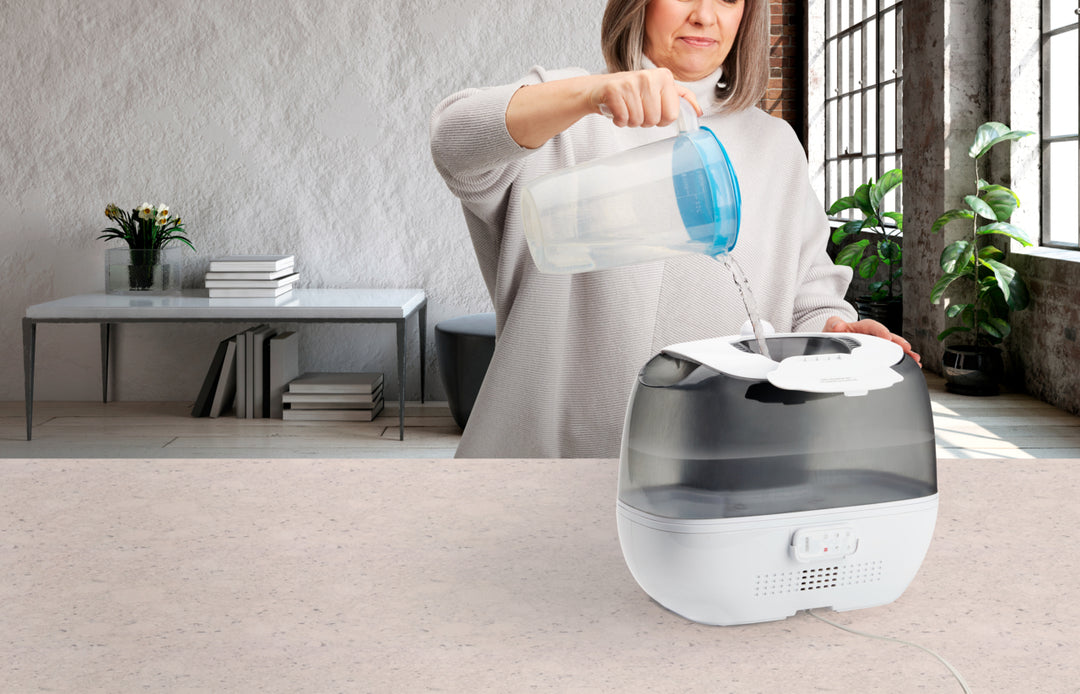
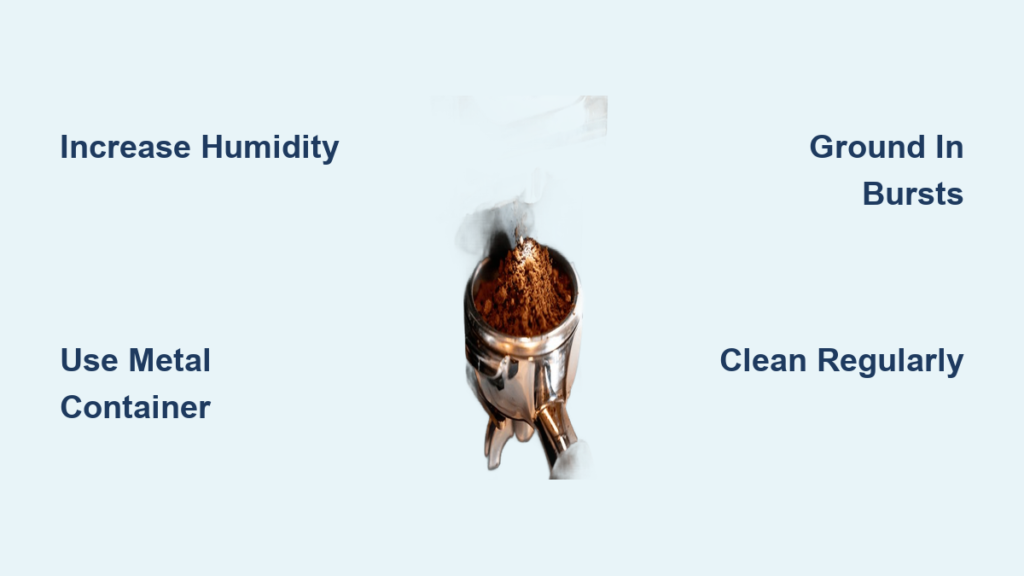
Humidity represents your most powerful defense against coffee grinder static because moisture in the air provides a natural pathway for electrical charges to dissipate. When relative humidity drops below 40%, static problems typically escalate dramatically; maintaining levels between 45-55% creates conditions where static struggles to form. The simplest solution is running a small humidifier near your grinding station, especially during winter months. Even a basic ultrasonic humidifier placed within 3 feet of your grinder reduces static noticeably within 15-20 minutes of operation.
For immediate relief without purchasing equipment, boil water on the stove while grinding—simmering a pot with lemon slices or cinnamon sticks adds pleasant aroma while humidifying. Alternatively, keep a dedicated spray bottle filled with distilled water and mist the air around your grinder for 10-15 seconds before grinding. The fine mist raises localized humidity enough to reduce static without risking moisture contact with electrical components. Coffee professionals recommend keeping humidity visible with a simple hygrometer ($10-$15 at hardware stores) to monitor conditions and adjust your approach accordingly.
Ground Your Equipment to Discharge Static Buildup
Proper electrical grounding provides a critical pathway for static charges to safely dissipate rather than accumulate on coffee grounds. Many plastic-bodied grinders lack effective grounding, allowing static to build freely with no escape route. First verify your outlet provides proper grounding using an inexpensive outlet tester—ungrounded outlets cannot discharge static regardless of your grinder’s design. If your outlet lacks proper grounding, consider consulting an electrician to upgrade your kitchen circuit, as this represents both a static issue and potential safety concern.
For metal-bodied grinders, ensure the housing contacts a grounded surface during operation. Some advanced users create a dedicated grounding setup by connecting a copper wire from the grinder chassis to a known ground source like a cold water pipe, though this requires electrical knowledge to implement safely. A simpler approach involves touching a grounded metal object like your faucet immediately before handling ground coffee—this discharges any static you’ve accumulated, preventing the final transfer to your grounds. Even holding your catch container against a metal surface during grinding can provide sufficient discharge path for many static problems.
Optimize Your Catch Container and Grinding Technique
:max_bytes(150000):strip_icc()/sea-coffee-canisters-lead-afton-cyrus-01-8f20d82f70ef40a1b79e6aa9ee25f627.jpeg)
The container you use to collect ground coffee dramatically impacts static behavior. Plastic catch cups act as insulators that trap static charge, while stainless steel containers provide excellent conductivity for charge dissipation. Swap your plastic cup for a small stainless steel bowl or glass container—both materials allow charges to dissipate more effectively. For serious coffee enthusiasts, specialized anti-static catch containers with copper mesh lining have emerged as premium solutions.
Your grinding technique matters equally. Instead of continuous grinding, use short bursts with 5-10 second pauses between sessions to allow charges to dissipate. Blade grinder users should pulse rather than run continuously, reducing the extreme spin speeds that maximize static generation. Burr grinder operators should ensure beans feed steadily into the grinding mechanism rather than in clumps, which creates irregular friction patterns. Some professionals recommend grinding slightly coarser than your target setting then adjusting finer—this reduces friction during the initial grinding phase when static buildup occurs most rapidly.
Apply Targeted Anti-Static Treatments to Coffee Beans
Strategic moisture application directly to coffee beans provides immediate static reduction without compromising flavor. Lightly mist beans with distilled water using a fine spray bottle—just 2-3 sprays per 30g of beans adds enough moisture to prevent extreme charge buildup while evaporating quickly during grinding. Wait 30 seconds after spraying to allow moisture to absorb before grinding. Some advanced users add a single drop of food-grade coffee oil to their spray bottle, creating a microscopic conductive layer on beans that dissipates charge while preserving volatile aromatic compounds.
Another professional technique involves grinding a small piece of stale bread (about 1-inch cube) with your coffee grounds. The starch absorbs excess oils and reduces friction-induced static, though you must clean your grinder thoroughly afterward to prevent stale flavors. For those with persistent static issues, specialized anti-static coffee grinding sprays have recently entered the market, containing food-safe compounds designed specifically for this purpose.
Maintain Your Grinder to Minimize Friction Points
Residue buildup on grinder components creates additional friction surfaces that trap static charge. A well-maintained grinder generates less friction and allows charges to dissipate more effectively. For blade grinders, disassemble and wipe blades and chamber walls after each use with a dry brush followed by a slightly damp cloth to remove oil residue. Never submerge electrical components, but clean all accessible surfaces regularly.
Burr grinders require more thorough maintenance. Run cleaning mode or grind 10-15g of uncooked rice through your grinder monthly to absorb oils from burrs, followed by thorough brushing with a dedicated grinder brush. Some users grind a small amount of plain coffee beans specifically to clean residual particles before grinding their actual dose. Pay special attention to the burr carrier and static plate areas where fine particles accumulate. Regular maintenance not only reduces static but extends your grinder’s lifespan and maintains consistent grinding performance.
Time Your Grinding to Match Environmental Conditions
When you grind affects static behavior as much as how you grind. Morning grinding sessions often produce worst static because indoor humidity reaches its lowest point after overnight heating. Instead, grind coffee in the evening when humidity has recovered, or immediately after taking a hot shower when bathroom humidity spills into adjacent spaces. Running the dishwasher or boiling water creates temporary humidity spikes perfect for grinding opportunities.
Smaller, more frequent grinding sessions dramatically reduce static compared to grinding a week’s supply at once. The cumulative friction from large batches generates exponentially more static than multiple small batches. Consider grinding only what you need for each brewing session—this approach not only minimizes static but preserves coffee freshness. If you must grind large quantities, implement multiple static-reduction strategies simultaneously: run a humidifier, use a stainless steel container, mist the air, and take frequent breaks during grinding.
Select Static-Resistant Equipment When Upgrading
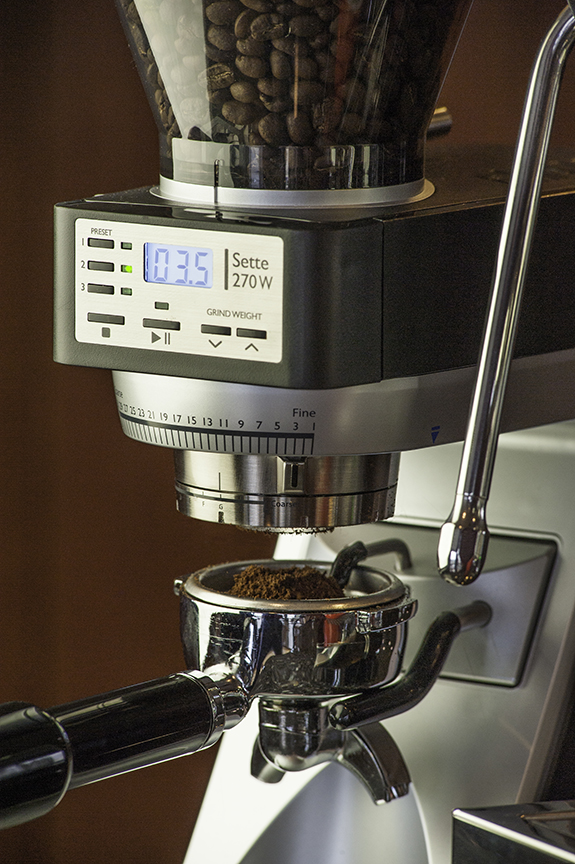
If shopping for a new grinder, prioritize models designed with static reduction in mind. Metal-bodied grinders generally produce less static than plastic models because the conductive housing allows charge to dissipate. Look for grinders with stainless steel or aluminum construction, particularly those with grounded designs. The Baratza Sette series, for example, features a unique static-reducing portafilter system that channels grounds directly into your portafilter with minimal static issues.
Burr material also affects static generation. High-quality ceramic burrs often produce less static than steel burrs in similar configurations due to different friction coefficients. Hopper material matters too—glass or metal hoppers conduct charge away better than plastic. While premium grinders with static-reducing features cost more upfront, they eliminate daily frustrations and wasted coffee, providing excellent value for serious coffee enthusiasts.
Implement Your Personalized Anti-Static System
The most effective approach combines multiple strategies into a comprehensive system tailored to your specific environment. Start with environmental control—position your grinder near a humidifier or establish a consistent misting routine. Next, upgrade your catch container to stainless steel or glass. Then refine your technique with shorter grinding bursts and proper discharge habits. Track your results over a week, adjusting one variable at a time to determine what works best for your specific setup.
Most coffee lovers find that controlling humidity combined with using a stainless steel catch container solves 80% of static problems. For stubborn cases, add bean misting and strategic grinding timing. Remember that static solutions interact—higher humidity reduces the need for bean misting, while proper grounding makes container material less critical. The ideal combination depends on your specific grinder, local climate, and coffee beans.
Static electricity in coffee grinders doesn’t have to ruin your morning ritual. By understanding the physics behind static buildup and implementing these targeted, practical solutions—particularly humidity control, proper grounding, material selection, and consistent maintenance—you can eliminate messy static once and for all. Start with the simplest fixes that require no investment, then progress to more comprehensive solutions as needed. Your coffee experience will be all the better for a clean, consistent, static-free grinding process that delivers perfect grounds exactly where they belong.