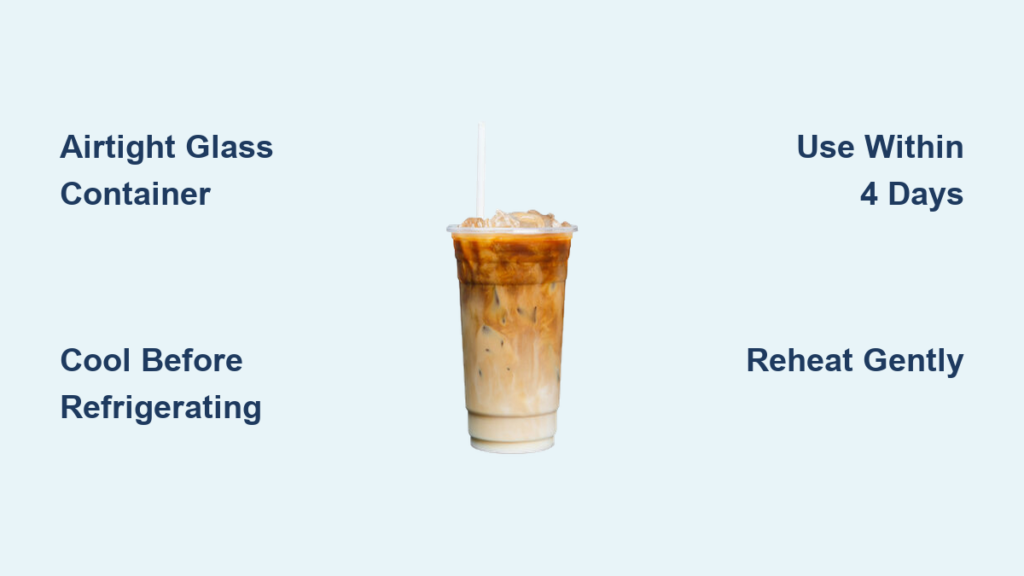
You’ve brewed the perfect pot of coffee, but you won’t finish it all before it goes stale. Instead of pouring that precious caffeine down the drain, you’re wondering how to store brewed coffee in fridge safely while preserving as much flavor as possible. Many coffee lovers make the mistake of leaving coffee on the counter for hours or using improper containers that accelerate flavor degradation. When stored correctly, refrigerated coffee can maintain decent quality for up to a week, giving you chilled coffee ready for iced drinks or reheating. In this guide, you’ll learn the exact methods to maximize your coffee’s shelf life while preventing the development of off-flavors that ruin your morning brew.
Proper Container Selection for Refrigerated Coffee

Choosing the right container makes or breaks your refrigerated coffee experience. The container you select directly impacts how well your coffee maintains its original flavor profile and prevents absorption of refrigerator odors.
Why Airtight Containers Are Non-Negotiable
Coffee readily absorbs surrounding flavors and odors, which is disastrous in a refrigerator filled with various food items. An airtight container creates a protective barrier that serves two critical functions: it prevents moisture from entering (which accelerates spoilage) and stops your coffee from absorbing the scent of last night’s fish dinner or strong cheeses. Look for containers with rubber gaskets and secure locking mechanisms rather than simple snap lids that allow air exchange over time.
Best Container Materials for Preserving Coffee Quality
Glass containers with airtight seals represent the gold standard for refrigerated coffee storage. Unlike plastic, glass won’t retain previous odors or leach chemicals into your coffee. Stainless steel thermal containers work well too, but ensure they’re designed for cold storage rather than just heat retention. Avoid standard plastic containers, especially those previously used for strong-smelling foods, as they often impart subtle flavors to your coffee even after washing.
Optimal Cooling Process Before Refrigeration
How you cool coffee before refrigeration dramatically affects both safety and flavor preservation. Rushing this step creates condensation that dilutes your coffee and accelerates degradation.
Why Room Temperature Cooling Is Essential
Placing hot coffee directly in the refrigerator forces your appliance to work harder while creating condensation inside the container as the steam hits cold surfaces. This condensation dilutes your coffee and introduces additional moisture that promotes bacterial growth. Allow coffee to cool uncovered at room temperature for 20-30 minutes until it reaches approximately 70°F (21°C) before transferring to your airtight container. This brief cooling period preserves more volatile flavor compounds than immediate refrigeration.
Accelerated Cooling Techniques That Won’t Damage Flavor
If you’re in a hurry, divide hot coffee between multiple clean containers to increase surface area and speed cooling. Never add ice directly to hot coffee intended for storage, as this dilutes your brew beyond recovery. For the best results, use a clean metal bowl set over ice water while gently stirring—this rapidly lowers temperature without introducing additional water that would compromise your coffee’s strength.
Refrigeration Time Limits and Safety Guidelines
Understanding how long brewed coffee remains safe and palatable in the refrigerator prevents both wasted coffee and potential health risks from spoiled beverages.
Maximum Safe Storage Duration Explained
Brewed coffee maintains acceptable quality for 3-4 days when properly stored in the refrigerator. Beyond this timeframe, coffee develops noticeable staleness and increased risk of mold growth, especially if the container isn’t perfectly airtight. The 4-day limit applies only to black coffee; adding dairy products reduces safe storage time to 2 days maximum regardless of container quality. Always inspect coffee for cloudiness, mold spots, or sour odors before consuming refrigerated coffee beyond 72 hours.
Signs Your Refrigerated Coffee Has Gone Bad
Don’t rely solely on the calendar—your senses provide the most reliable spoilage indicators. Discard coffee showing any of these warning signs: visible mold (even small spots), a distinctly sour or rancid smell (different from normal coffee acidity), cloudy appearance in previously clear coffee, or an unusually sharp, unpleasant taste. When in doubt, throw it out—consuming spoiled coffee can cause digestive discomfort.
Reheating Refrigerated Coffee Properly
How you bring chilled coffee back to drinking temperature significantly impacts your final cup quality. Many people unknowingly ruin their stored coffee during the reheating process.
Temperature Guidelines for Optimal Flavor Recovery
Reheat refrigerated coffee to between 155-175°F (68-80°C)—hot enough to release aromatic compounds but below the boiling point that creates bitter, scorched flavors. Microwave reheating requires special attention: use 30-second intervals at 50% power, stirring between each session to distribute heat evenly. Never boil refrigerated coffee, as this extracts additional bitter compounds from already oxidized coffee solids.
Methods That Preserve Flavor During Reheating
For the best results, transfer only the amount you intend to drink into a clean container before reheating. This prevents repeatedly cooling and reheating the same coffee, which exponentially degrades quality. When using a microwave, place a wooden stir stick or non-metallic item in the cup to prevent superheating. For larger quantities, a small saucepan over low heat with frequent stirring produces more consistent results than microwave reheating.
Common Refrigerated Coffee Storage Mistakes to Avoid

Even with good intentions, many coffee drinkers sabotage their stored coffee through preventable errors that accelerate flavor loss and potential safety issues.
The Counter-to-Fridge Transition Error
Leaving coffee at room temperature for more than two hours before refrigeration creates a breeding ground for bacteria and significantly degrades flavor. Coffee enters the “danger zone” (40-140°F or 4-60°C) where bacteria multiply rapidly after two hours, and flavor compounds break down noticeably within one hour. Refrigerate coffee within 30-60 minutes of brewing for optimal safety and quality—don’t wait until you’re ready to store it “later.”
Improper Container Filling Techniques
Filling containers to the very top leaves no room for expansion when coffee chills, potentially breaking seals or causing leaks. Conversely, leaving too much air space accelerates oxidation. Fill containers to within one inch of the top, then press plastic wrap directly against the coffee surface before securing the lid—this creates an additional barrier against oxygen exposure that significantly extends freshness.
Creative Uses for Refrigerated Coffee Beyond Drinking
Refrigerated coffee serves purposes beyond your morning cup, and proper storage enables these secondary uses without compromising quality.
How Chilled Coffee Enhances Baking and Cooking
Refrigerated coffee maintains sufficient strength for culinary applications even when it’s no longer ideal for drinking. Use day-old refrigerated coffee in chocolate cakes, ice creams, or savory marinades where its mellowed acidity complements other ingredients. The cold temperature makes it particularly useful for recipes requiring chilled liquids, eliminating the need to cool coffee separately before incorporating into batters or sauces.
Transforming Stale Refrigerated Coffee Into Cold Brew Concentrate
When refrigerated coffee approaches its 4-day limit but still smells acceptable, freeze it in ice cube trays for later use. These coffee cubes instantly chill drinks without dilution and work perfectly in recipes requiring small amounts of coffee flavor. For the strongest results, combine slightly stale refrigerated coffee with fresh cold brew concentrate at a 1:1 ratio to refresh its flavor profile while maintaining cold temperature.
Daily Coffee Storage Routine for Maximum Freshness
Implementing a consistent storage protocol ensures you always have quality refrigerated coffee available while minimizing waste and safety concerns.
Morning Brew Storage Checklist
- Cool coffee uncovered for 20-30 minutes after brewing
- Transfer to glass container leaving 1-inch headspace
- Press plastic wrap against coffee surface before sealing
- Label container with brew date using masking tape
- Place in refrigerator away from strong-smelling foods
- Store toward the back where temperature remains most consistent
Following these simple steps religiously extends your coffee’s useful life by 48-72 hours compared to haphazard storage methods. The small investment of time pays dividends in reduced waste and consistently better-tasting stored coffee.
Final Note: Properly stored refrigerated coffee maintains drinkable quality for 3-4 days when following these guidelines. Always prioritize airtight glass containers, proper cooling before refrigeration, and careful reheating techniques to maximize your coffee’s shelf life. Discard any coffee showing signs of spoilage regardless of storage duration, and never risk consuming coffee that smells or tastes off. By implementing these storage methods consistently, you’ll reduce coffee waste while always having ready-to-use coffee for both hot and cold preparations.