
There’s nothing quite like the smooth, rich flavor of authentic Costa Rican coffee, but achieving that perfect cup depends heavily on using the right brewing technique. When you learn how to use a Costa Rican coffee maker properly, you unlock the full potential of those prized arabica beans grown in volcanic soil at high altitudes. Whether you’re working with a traditional wooden chorreador or a modern electric drip machine, the brewing method significantly impacts the flavor profile, body, and overall experience of your coffee.
The secret to exceptional Costa Rican coffee lies in respecting the delicate balance between water temperature, extraction time, and proper coffee-to-water ratio. Many coffee lovers make the mistake of using the same technique for all beans, not realizing that Costa Rican coffee’s bright acidity and complex flavor notes require specific handling. This guide provides practical, step-by-step instructions for brewing authentic Costa Rican coffee using various methods popular in Costa Rica itself, ensuring you get the clean, vibrant cup that showcases why these beans command premium status worldwide.
Traditional Chorreador Method
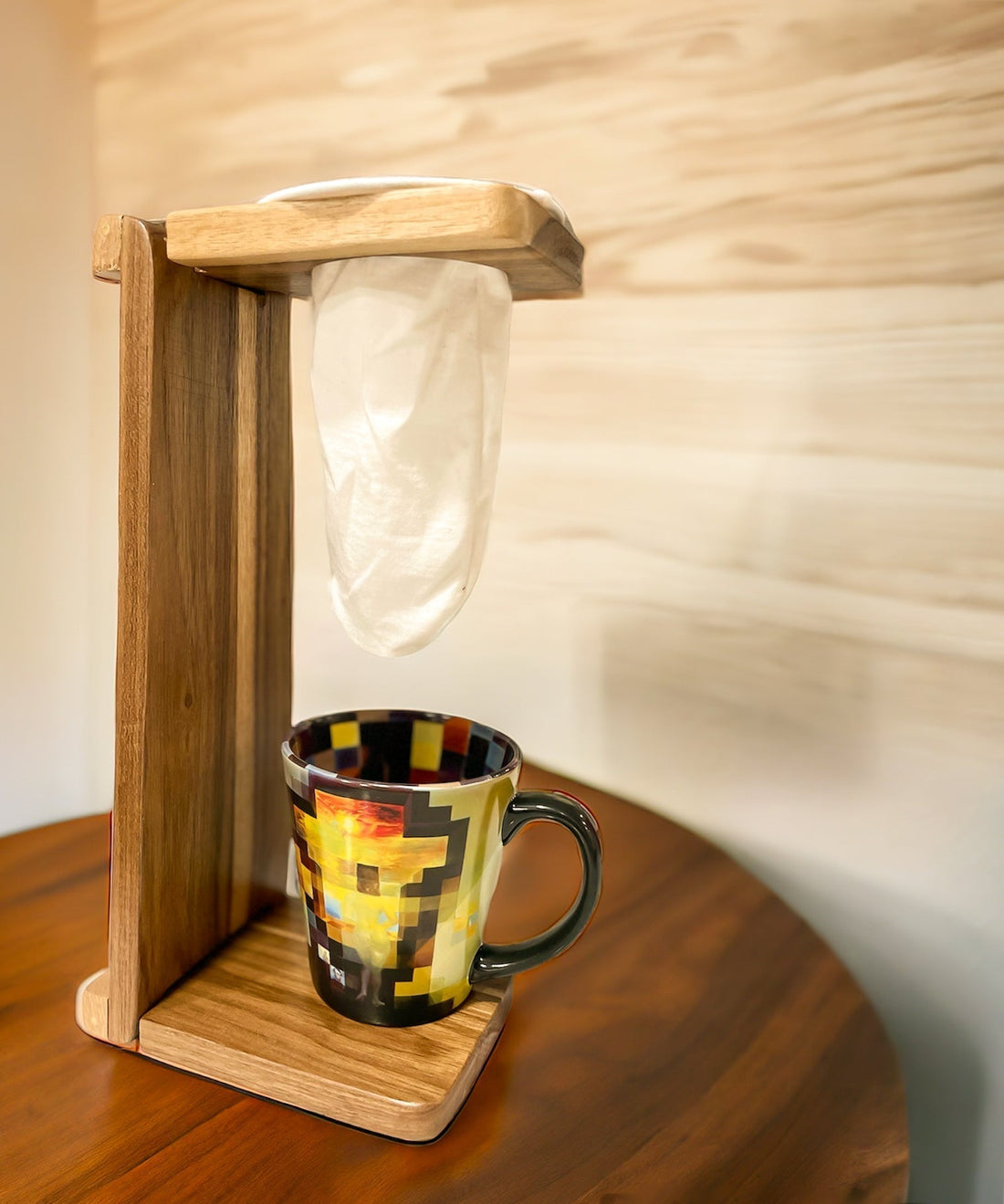
The chorreador stands as Costa Rica’s most iconic coffee brewing device, a simple yet elegant system that has been used in Costa Rican homes since the 1800s. This wooden frame holds a cotton or hemp filter bag suspended over a ceramic or metal pot, creating a pour-over experience that produces remarkably clean coffee without paper filter interference. The chorreador’s design allows for precise control over the brewing process while maintaining the traditional connection to Costa Rica’s coffee heritage.
Prepare Your Coffee Grounds for Optimal Extraction
For authentic chorreador brewing, you need a medium-coarse grind that resembles sea salt in texture. This specific consistency prevents the coffee from seeping through the cloth filter while allowing proper water flow for balanced extraction. Measure two tablespoons of freshly ground coffee for every six ounces of water, adjusting based on your taste preferences. Always prioritize freshly roasted Costa Rican beans, ideally from renowned regions like Tarrazú, West Valley, or Central Valley, which offer distinct flavor profiles ranging from citrusy brightness to chocolatey depth.
Set Up the Chorreador for Success
Position your chorreador securely over a clean coffee pot or carafe, ensuring the cloth filter hangs freely without touching the sides. Pre-wet the filter with hot water to eliminate any residual fibers and warm your receiving vessel simultaneously. This critical step maintains consistent temperature throughout brewing, preventing thermal shock that could negatively impact extraction. Gently squeeze out excess water but leave the filter damp, creating the ideal environment for coffee grounds to bloom evenly when hot water is added.
Perfect Your Pour-Over Technique for Authentic Flavor
Bring water to a boil, then let it rest for 30 seconds to reach the ideal 195-205°F temperature range. Begin by pouring just enough water to saturate all grounds in a gentle circular motion, allowing the coffee to bloom for 30-45 seconds. This initial bloom releases trapped carbon dioxide, improving overall extraction. Continue pouring in steady, controlled increments, maintaining a consistent circular pattern to ensure even saturation. The entire process should take three to four minutes, producing a clean, aromatic brew with the distinctive smoothness that defines authentic Costa Rican coffee.
Modern Drip Coffee Maker Technique
While traditional methods remain popular, many Costa Rican households now use electric drip coffee makers for convenience without sacrificing quality. Understanding how to use a Costa Rican coffee maker of this modern variety requires attention to specific settings that optimize the brewing process for these delicate beans.
Configure Settings for Costa Rican Bean Characteristics
Modern drip machines typically heat water to the proper temperature automatically, but you must still configure other critical settings. Maintain the medium-coarse grind consistency recommended for traditional methods, as finer grounds can lead to over-extraction and bitterness in automatic machines. Start with a coffee-to-water ratio of 1:15 or 1:16 (one part coffee to fifteen or sixteen parts water), such as 60 grams of coffee for 900-960 grams of water. If your machine offers a strength selector, choose regular or medium rather than bold, which often extracts too aggressively for Costa Rican beans’ nuanced flavors.
Ensure Water Quality Matches Coffee Quality
The mineral content of your water significantly impacts the final cup’s taste, so avoid using distilled or heavily filtered water that lacks essential minerals. Standard tap water filtered through a charcoal filter typically works well in most regions. Even with automatic machines, periodically verify that your coffee maker’s heating element functions properly—water below 195°F produces weak, sour coffee, while excessively hot water creates bitterness. Run a monthly cleaning cycle with white vinegar to remove mineral deposits that can affect both temperature consistency and flavor purity.
French Press Method for Full-Bodied Costa Rican Coffee
Though not originally Costa Rican, the French press has gained popularity throughout the country for its ability to showcase the full flavor spectrum of premium beans. When learning how to use a Costa Rican coffee maker in French press style, you’ll appreciate how this method emphasizes the beans’ natural oils and complex flavor notes.
Achieve the Perfect Grind and Measurement
French press brewing demands a coarser grind than most methods—similar to coarse sea salt or breadcrumbs. This prevents fine particles from escaping through the metal mesh filter. Use a ratio of one tablespoon of coffee per four ounces of water, approximately 30 grams per liter. For the best results, grind your beans immediately before brewing to preserve volatile aromatic compounds that begin dissipating within minutes of grinding.
Master the Steeping Process for Balanced Extraction
Heat water to 200°F, slightly below boiling point. Add coffee grounds to your pre-warmed French press, then pour water in a slow, circular motion ensuring even saturation. Give a gentle stir to break up any dry pockets, then place the lid on without pressing the plunger. Allow the coffee to steep for exactly four minutes—this timing produces optimal extraction for most Costa Rican roasts. Resist the urge to stir during steeping, as this increases sediment in your final cup and can lead to over-extraction.
Press and Serve for Maximum Freshness
After the four-minute steep, slowly press the plunger down with steady, even pressure. Immediately pour all the coffee into an insulated thermos or pre-warmed cups, as continued contact with the grounds will make the brew bitter. Rinse your French press thoroughly after each use to prevent oil buildup that can impart rancid flavors to future brews. For authentic Costa Rican presentation, serve in thick-walled ceramic cups that retain heat while concentrating the coffee’s natural aromas.
Espresso and Moka Pot Methods for Stronger Brews
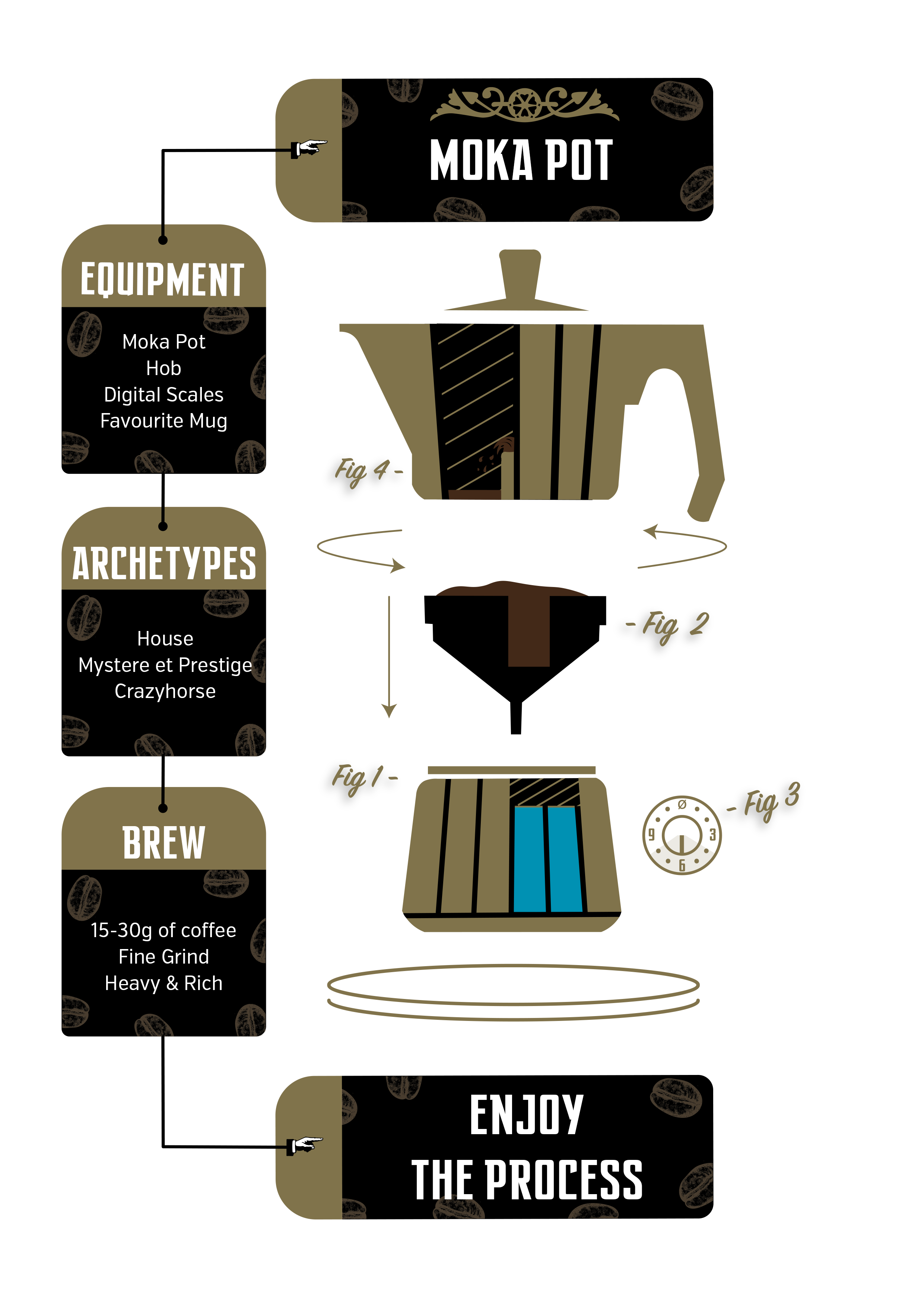
When you prefer concentrated coffee, understanding how to use a Costa Rican coffee maker with espresso or moka pot techniques opens new dimensions of flavor. Costa Rican beans’ natural sweetness and balanced acidity make them excellent candidates for these methods with some technique adjustments.
Pull Perfect Costa Rican Espresso Shots
Espresso extraction requires precise timing and grind settings. Use 18-20 grams of finely ground coffee for a double shot, tamping evenly with consistent pressure. Aim for a 25-30 second extraction time, producing 1-2 ounces of concentrated coffee with golden-brown crema. Costa Rican espressos typically yield brighter, fruitier notes compared to darker roasts, so expect vibrant acidity rather than heavy chocolate tones. Adjust grind size based on extraction time—finer for faster pulls, coarser for slower ones.
Brew with Moka Pot for Authentic Latin American Style
The stovetop moka pot produces strong, espresso-like coffee popular throughout Latin America. Fill the bottom chamber with hot water up to the safety valve, add finely ground coffee to the filter basket without tamping, and assemble tightly over medium heat. Remove from heat immediately when you hear sputtering, indicating water depletion. Moka pot coffee is naturally concentrated, so consider diluting with hot water or mixing with steamed milk for a café-style beverage that highlights Costa Rican beans’ distinctive characteristics.
Essential Maintenance for Long-Lasting Performance
:max_bytes(150000):strip_icc()/clean-coffee-maker-with-vinegar-1907384_FINAL-3af08744866e446da1d71fb372e8270c.png)
Proper maintenance of your Costa Rican coffee maker ensures consistent quality and extends equipment lifespan. Residue buildup affects heating efficiency and flavor purity, making regular cleaning crucial for serious coffee enthusiasts.
For traditional chorreadors, rinse the cloth filter thoroughly with hot water after each use. Avoid soap unless absolutely necessary, as residual scents can transfer to future brews. Air dry completely before storage and replace the filter every few months. Wipe the wooden frame with a damp cloth—never submerge it in water, as wood can warp. Electric coffee makers benefit from monthly descaling with white vinegar followed by two or three plain water cycles to remove any residue.
Serving Your Coffee Authentically
The final step in learning how to use a Costa Rican coffee maker involves proper presentation that honors cultural traditions. Traditionally, coffee is served strong and black, allowing the bean’s natural characteristics to shine. Many Costa Ricans enjoy it with a touch of unpweetened condensed milk for a unique sweet-creamy combination.
Serve coffee immediately in pre-warmed cups to maintain temperature. Traditional thick-walled ceramic cups retain heat well and concentrate aroma. Pair your brew with fresh tropical fruits or pan dulce for an authentic merienda (afternoon snack) experience. Whether enjoying a quiet morning ritual or sharing with friends, taking time to appreciate the process connects you to generations of Costa Rican coffee tradition.
Mastering how to use a Costa Rican coffee maker transforms your daily coffee ritual into a meaningful experience that honors the bean’s journey from volcanic slopes to your cup. By following these specific techniques tailored to Costa Rican beans’ unique characteristics, you’ll consistently enjoy coffee with remarkable clarity, balanced acidity, and the nuanced flavors that have made Costa Rican coffee world-renowned. Remember that great coffee results from quality beans, proper technique, and mindful attention to detail—principles that transcend any specific brewing device.