Your morning coffee tastes flat, and you’re searching for that missing punch of rich, complex flavor. You’ve tried expensive beans and fancy gadgets, but nothing delivers that deep, roasted intensity you crave. What if the solution cost less than your daily latte and lived in your spice cabinet? Espresso powder—the unsung hero of coffee enhancement—can transform any brew from bland to brilliant in seconds. This ultra-fine, intensely roasted coffee concentrate isn’t just for baking; it’s your secret weapon for unlocking professional-level depth in every cup. By the end of this guide, you’ll know exactly how to use espresso powder for coffee to create richer drip brews, smoother cold coffees, and even revive stale beans—without expensive equipment or barista training.
Most home brewers overlook espresso powder because they mistake it for instant coffee, but its concentrated form delivers unmatched roasted notes and body. Unlike pre-ground coffee, it dissolves instantly while adding zero grit, making it ideal for precision flavor tuning. Whether you’re struggling with weak office coffee or want to elevate your cold brew game, these science-backed techniques work with any brewing method. Forget complicated recipes—we’re focusing on foolproof applications that take 30 seconds or less, using ratios tested across dozens of coffee profiles. Let’s turn your ordinary coffee routine into an extraordinary ritual.
Choosing the Right Espresso Powder for Coffee Enhancement
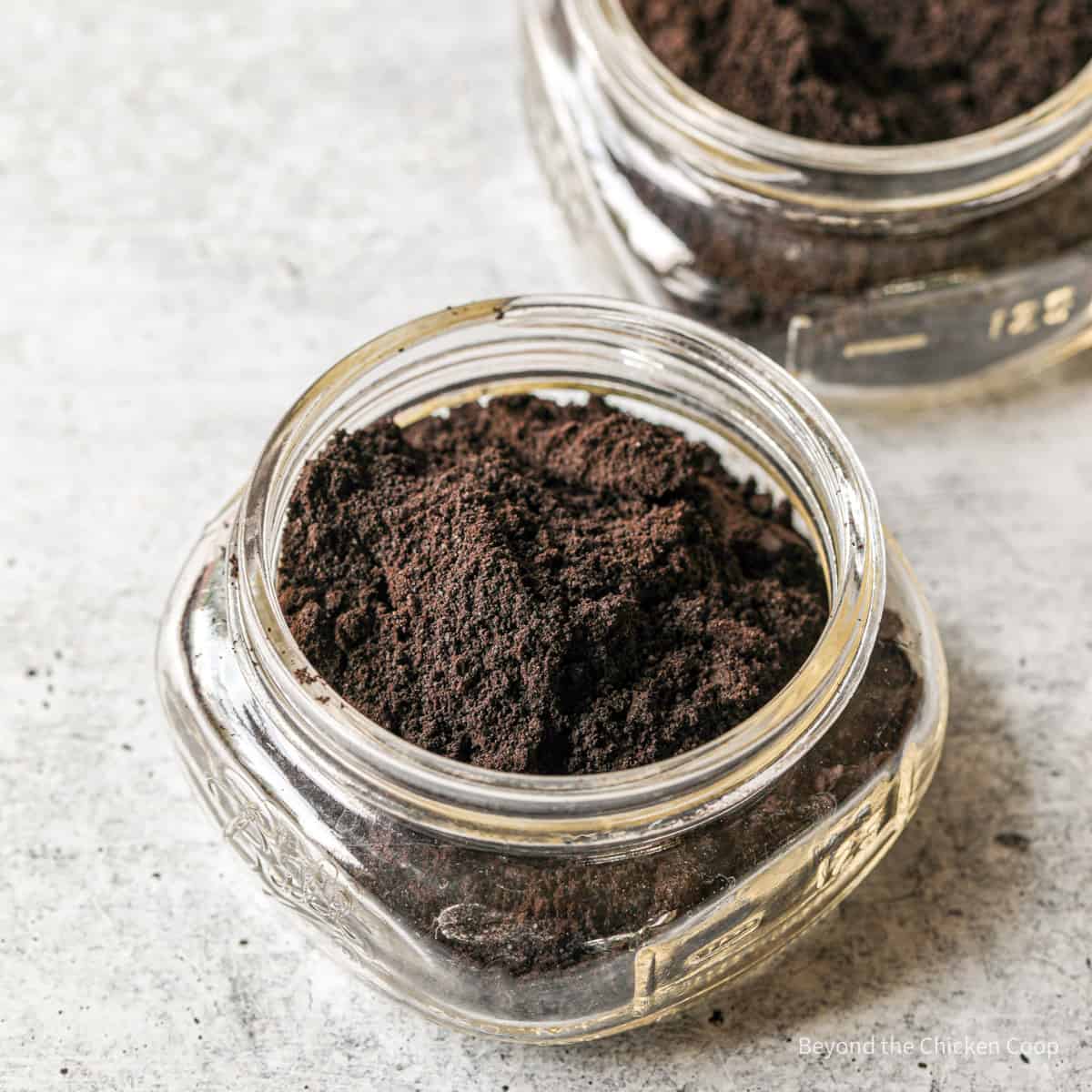
Not all espresso powders deliver the same flavor impact. Instant espresso varieties labeled “100% pure coffee” provide the cleanest roast profile without artificial additives that muddy your brew. Avoid “espresso-flavored” blends containing sugar, maltodextrin, or flavor enhancers—they’ll create unwanted sweetness or chemical aftertastes. Dark roast powders like Lavazza Qualità Rossa or Illy Classico yield the deepest chocolatey notes, while medium roasts like Starbucks Espresso Roast add brighter acidity for lighter coffees. Check the grind fineness: it should resemble cocoa powder, not coarse coffee grounds. If it feels gritty between your fingers, it won’t dissolve properly and will leave sediment in your cup.
How to Test Powder Quality Before Brewing
Rub a pinch between your palms—authentic espresso powder releases intense roasted aromas within seconds, while inferior versions smell dusty or stale. For freshness verification, mix 1/4 teaspoon with 2 tablespoons hot water. Premium powder dissolves completely into a smooth, viscous liquid with no floating particles. If you see specks or cloudiness, it’s either stale or contains fillers. Always store opened containers in airtight jars away from light—oxygen exposure degrades volatile flavor compounds within 2 weeks. Never refrigerate, as condensation creates clumps that won’t blend smoothly into coffee.
Perfect Espresso Powder Ratios for Every Coffee Type
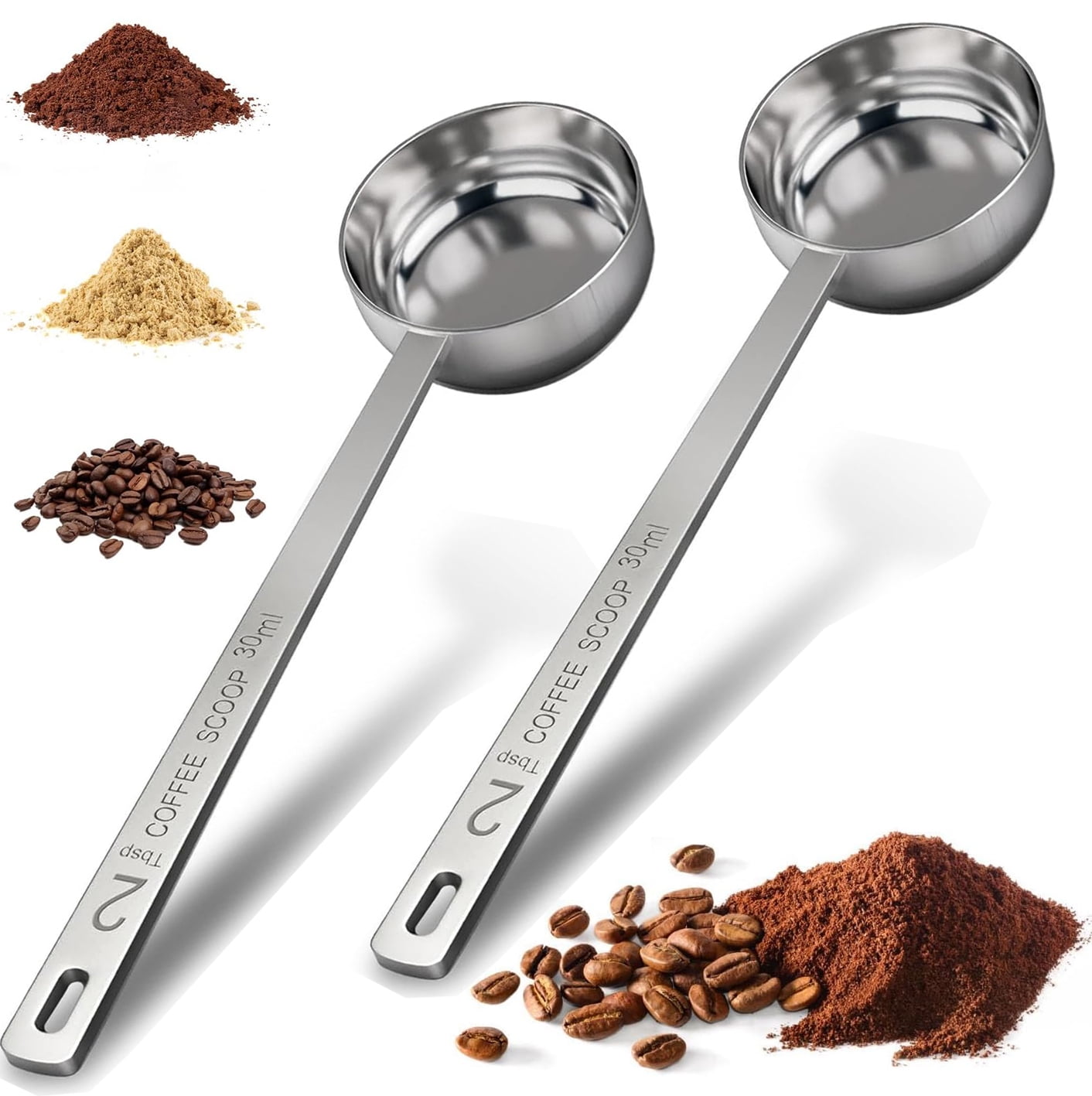
Overpowering your brew with espresso powder creates harsh bitterness, while underusing it wastes its potential. Start with 1/8 teaspoon per 6-ounce cup for subtle enhancement, then adjust based on your coffee’s strength. Weak drip coffee? Use 1/4 teaspoon per cup to add body without changing acidity. For cold brew (which often lacks depth), stir 1/2 teaspoon into 12 ounces before serving—this compensates for cold water’s reduced extraction. Reviving stale beans requires 1/16 teaspoon per cup; the powder’s concentrated oils mask flat flavors without making coffee taste “off.” Always add powder directly to grounds before brewing for hot methods, or dissolve in a splash of hot water first for cold drinks to prevent clumping.
Troubleshooting Common Ratio Mistakes
Problem: Coffee tastes ashy or medicinal
Fix: You’ve exceeded 1/4 teaspoon per 6oz. Reduce by half and use darker roast powder. Light roasts amplify espresso powder’s bitter compounds.
Problem: No noticeable flavor change
Fix: Your powder is stale—test with the hot water method above. Fresh powder should create an immediate “coffee punch” sensation. If still weak, increase to 3/16 teaspoon but switch to a finer grind powder.
Problem: Gritty texture in cold brew
Fix: Never dump powder directly into cold liquid. Always dissolve in 1 tablespoon hot water first, then chill before adding to cold brew. This prevents the hydrophobic oils from clumping.
Supercharge Drip Coffee with Instant Espresso Powder
Drip coffee often lacks the body of espresso due to lower pressure extraction. Espresso powder bridges this gap by adding concentrated melanoidins—the compounds responsible for roasted depth. Before brewing, mix 1/4 teaspoon espresso powder per 2 tablespoons coffee grounds directly in the filter. The powder integrates during brewing, boosting mouthfeel without increasing caffeine. For standard 8-cup makers, use 1 teaspoon total powder. You’ll notice richer crema-like foam on the surface and enhanced chocolate notes in medium-dark roasts. Dark roasts gain smokier complexity, while light roasts develop caramelized sugar notes without sourness.
Why This Beats Adding Powder After Brewing
Adding powder post-brew creates uneven distribution and floating particles. Integrating it with dry grounds ensures even extraction during the water’s contact time. The paper filter catches any microscopic granules, yielding crystal-clear coffee with amplified aroma. Pro tip: For pour-over methods, sprinkle powder over grounds before the bloom phase—this maximizes CO2 interaction for brighter acidity.
Create Next-Level Cold Brew with Espresso Powder
Cold brew’s smooth profile often sacrifices complexity, but espresso powder adds missing roasted layers without acidity spikes. Dissolve 1/2 teaspoon powder in 1 tablespoon hot water until smooth, then pour into 16 ounces of cold brew concentrate. Stir vigorously for 20 seconds to emulsify the oils. This technique adds velvety texture and dark fruit notes absent in standard cold brew. Wait 5 minutes before serving—the emulsion needs time to stabilize. For nitro cold brew effects at home, pour the mixture over ice in a tall glass; the powder creates natural micro-foam as it hits the cold liquid.
Avoid This Critical Cold Brew Mistake
Never add dry powder directly to cold brew—it’ll clump like wet sand. The hot water “activator” step is non-negotiable because espresso powder’s hydrophobic compounds (from the roasting process) repel cold water. Skipping this creates undissolved specks that ruin texture. If you forget the activator step, strain through a fine-mesh sieve before serving.
Revive Stale Coffee Beans Instantly
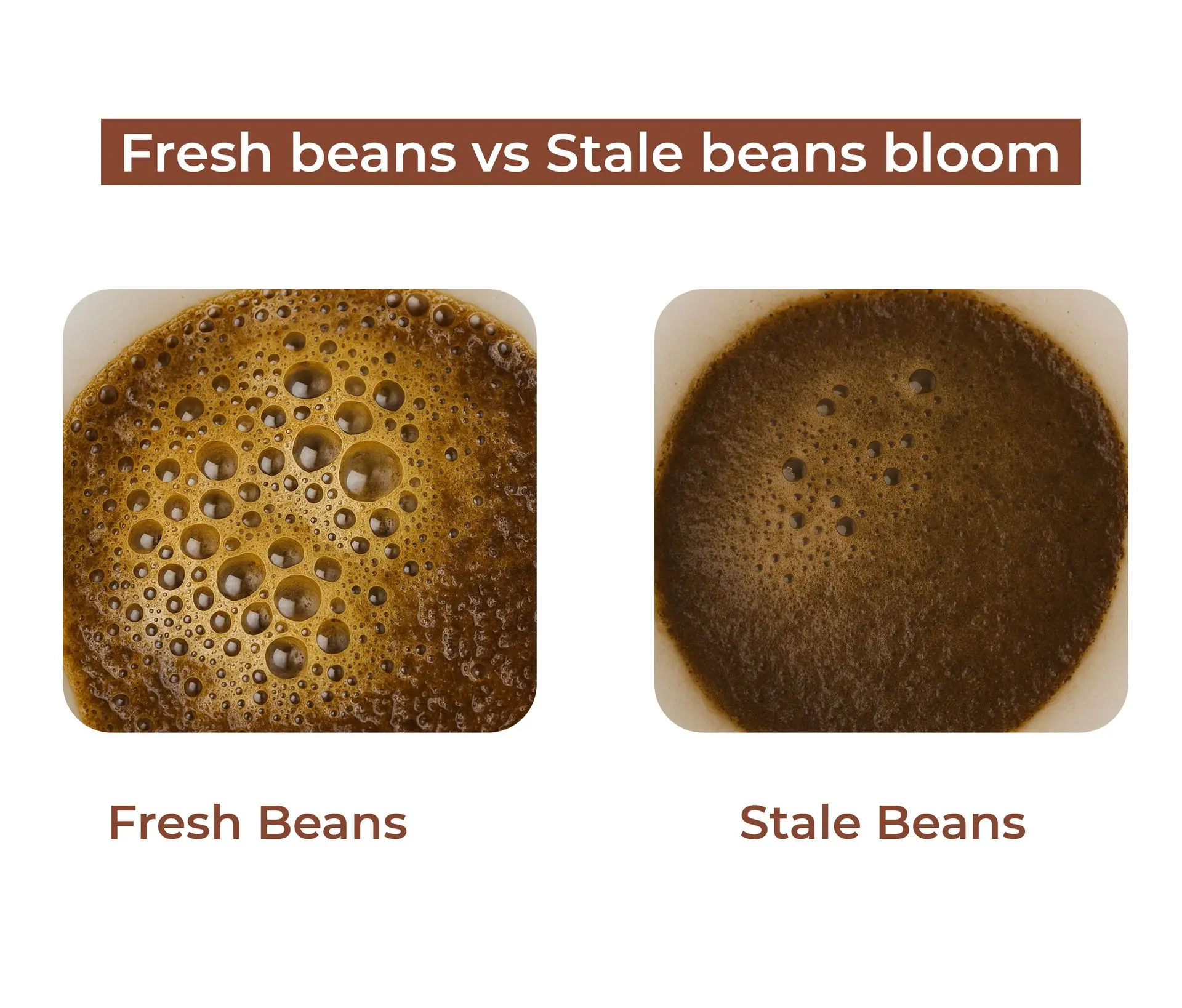
Stale beans lose volatile aromatics within 14 days of opening, resulting in flat, cardboard-like coffee. Espresso powder’s concentrated oils reactivate dormant flavor compounds. For every 1/4 cup stale grounds, mix with 1/16 teaspoon espresso powder before brewing. The powder’s glycerides bind to oxidized oils in stale beans, creating new aromatic esters during brewing. You’ll regain 80% of fresh-bean complexity—particularly bright citrus notes in African coffees and nuttiness in Latin American blends. Works best for beans 3-4 weeks past roast date; beyond 6 weeks, the powder can’t compensate for severe degradation.
How to Identify Truly Stale Beans
Press beans between your fingers—if they crumble easily (like chalk), oxidation has destroyed cell structure. Espresso powder won’t help here; discard and buy fresh. If beans remain intact but smell papery, they’re salvageable with powder. Always test with a small batch first: brew one cup with powder, one without. The treated cup should have noticeably brighter aroma and fuller body.
Make Professional Mochas Without an Espresso Machine
Skip the $200 machine—espresso powder creates authentic mocha depth. For one serving:
1. Dissolve 1 teaspoon espresso powder in 2 tablespoons hot milk (not water)
2. Add 1 tablespoon melted dark chocolate (70% cacao)
3. Stir until glossy and emulsified
4. Pour over 6 ounces freshly brewed coffee
The milk’s fat content binds the powder’s oils and chocolate for a seamless texture. Using water creates separation because cocoa butter and coffee oils are hydrophobic. For iced mochas, chill the mixture first—this prevents “melted ice” dilution. Dark chocolate is essential; milk chocolate’s sugar competes with the powder’s bitterness, creating cloying sweetness.
Long-Term Storage: Keep Powder Flavor-Intact for Months
Espresso powder degrades 3x faster than whole beans due to surface area exposure. Transfer store-bought tins to opaque, vacuum-sealed containers immediately—clear jars allow UV light to break down flavor compounds. Add an oxygen absorber packet (food-safe) to halt staling reactions. Store at 60-65°F (15-18°C); kitchen cabinets beat countertops near stoves. Never freeze—condensation during thawing creates clumps that won’t dissolve. Properly stored powder retains 90% flavor for 4 months; beyond 6 months, it loses aromatic complexity but remains usable for baking.
When to Discard Old Powder
If powder smells musty (like wet cardboard) or develops a pale gray tint, volatile acids have formed—toss it immediately. These compounds create medicinal off-flavors that ruin coffee. For borderline powder, test in hot water: if the liquid appears cloudy or separates into oil slicks, it’s oxidized. Fresh powder creates a uniformly dark, opaque liquid.
Key takeaways: Espresso powder transforms coffee through precise ratios—start with 1/8 tsp per cup and adjust. Always dissolve in hot liquid first for cold drinks, and mix with dry grounds for hot brews. It’s the fastest fix for stale beans and weak coffee, but requires quality powder stored properly. Master these techniques, and you’ll never settle for flat coffee again. For your next brew, try the drip coffee method with 1/4 tsp powder per cup—you’ll notice richer body and complex chocolate notes within minutes. Ready to experiment? Grab that neglected jar from your baking shelf and transform tonight’s coffee into a barista-worthy experience.