You’ve unboxed your new Salton coffee maker but feel overwhelmed by the buttons and settings. That first cup of coffee should be simple, not stressful. Many users struggle with basic functions like water measurement, filter placement, and program settings, leading to weak brews or messy spills. This guide cuts through the confusion with precise instructions tailored specifically for Salton coffee maker models. You’ll learn the exact water-to-coffee ratio for optimal flavor, how to prevent common leaks, and time-saving brewing techniques that deliver café-quality results at home.
Unlike generic coffee maker tutorials, this guide addresses Salton-specific features like the thermal carafe compatibility, programmable timer settings, and unique filter basket design. Whether you own a basic Salton drip model or a more advanced version with thermal features, you’ll discover how to maximize your machine’s capabilities. By the end of this guide, you’ll consistently brew perfect coffee with no guesswork—saving you money on expensive coffee shop visits while avoiding the frustration of trial-and-error brewing.
Setting Up Your Salton Coffee Maker for First Use
Before brewing your first pot, proper initial setup prevents common issues like plastic taste or mineral buildup. Remove all packaging materials including protective films on the carafe and lid. Wash the glass carafe, filter basket, and permanent filter (if included) with warm, soapy water—never place these parts in the dishwasher as high heat can warp components. Rinse thoroughly to eliminate soap residue that affects coffee flavor.
Performing an Initial Water Cycle
Fill the water reservoir to the maximum line with equal parts white vinegar and cold water. Place an empty paper filter in the basket to catch any debris. Start a brew cycle without adding coffee grounds. When complete, discard the vinegar solution and run two additional cycles with fresh cold water only. This descaling process removes manufacturing residues and primes the internal components. You’ll notice steam during this process—that’s normal as the heating element activates for the first time.
Correct Water Measurement Techniques
Salton coffee makers require precise water levels for optimal extraction. Always use the measurement lines inside the carafe, not the reservoir markings, for accuracy. For a full 12-cup pot, fill to the “12” line which actually equals 60 ounces (standard coffee cups are 5 ounces, not 8). Pour water slowly along the carafe’s spout to avoid splashing past the measurement lines. Never exceed the MAX line as overflow can damage electrical components beneath the warming plate.
Daily Brewing Process for Perfect Coffee Every Time
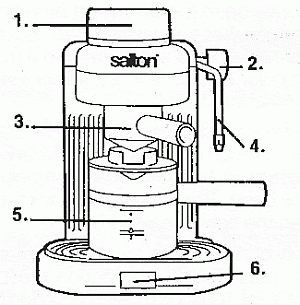
Achieving consistent results requires attention to coffee-to-water ratios and grind specifications. Use medium-coarse ground coffee—too fine causes over-extraction and bitterness, while too coarse yields weak coffee. The ideal ratio is 1 tablespoon of coffee per 5-ounce cup setting. For a stronger brew, add an extra 1/2 tablespoon rather than increasing water, which dilutes flavor. Always use fresh, cold filtered water as tap water minerals affect taste and buildup.
Step-by-Step Brewing Instructions
- Insert a #4 size paper filter or reusable mesh filter into the basket
- Add measured coffee grounds (avoid tapping the filter which compacts grounds)
- Pour measured water into the reservoir using the carafe as your measuring tool
- Close the lid securely—most Salton models won’t start if the lid is ajar
- Press the power button (some models require holding for 2 seconds)
- Wait for automatic shutoff (typically 2 hours after brewing completes)
Troubleshooting Weak or Bitter Coffee
Why does my Salton coffee taste weak? Check if you’re using the correct #4 filter size—smaller filters cause overflow and under-extraction. Verify your grind isn’t too coarse; it should resemble sea salt. Ensure you’re not exceeding maximum water capacity which dilutes the brew. Clean the spray head monthly with a paperclip to unclog coffee residue blocking water distribution.
Why is my coffee bitter? Reduce brew time by using slightly coarser grounds. Never leave coffee on the warming plate more than 30 minutes—transfer to a thermal carafe immediately. Descaling every 2 months prevents mineral buildup that affects water temperature. Use filtered water to eliminate chlorine taste that intensifies bitterness.
Programming and Special Features
Salton’s programmable models let you wake up to fresh coffee with proper setup. Press the “Clock” button until hours flash, then use “+” and “-” to set current time. Press “Clock” again to confirm. For automatic brewing, press “Program,” set desired start time, then press “Brew Time” to select how many cups to make. The “Auto Clean” indicator appears after 40 brew cycles—this isn’t optional maintenance but a critical descaling reminder.
Using the Pause & Serve Function Safely
The pause feature lets you pour a cup mid-brew but requires caution. Wait until coffee begins flowing into the carafe (about 30 seconds into brewing). Lift the lid no more than 3 seconds—longer pauses cause overflow when brewing resumes. Never remove the carafe completely during brewing as this triggers automatic shutoff on most models. After pouring, ensure the carafe is properly seated before closing the lid.
Maintenance and Longevity Tips
Weekly cleaning prevents performance issues that mimic machine failure. Unplug the unit and let it cool completely before maintenance. Wash removable parts with mild detergent—never submerge the main unit. For stubborn mineral deposits, fill the reservoir with 3 cups white vinegar and run a brew cycle followed by two water-only cycles. Replace water filters every 60 days if your model includes them.
Preventing Common Leaks and Spills
90% of leaks stem from three preventable issues: overfilling the filter basket, using incorrect filter sizes, or cracked carafes. Never fill paper filters beyond 3/4 capacity as coffee expands during brewing. Check for hairline cracks in glass carafes by holding them up to light. Always center the carafe on the warming plate—off-center placement causes side spills. If persistent leaking occurs, inspect the rubber gasket around the spray head for wear.
Troubleshooting Power and Error Codes
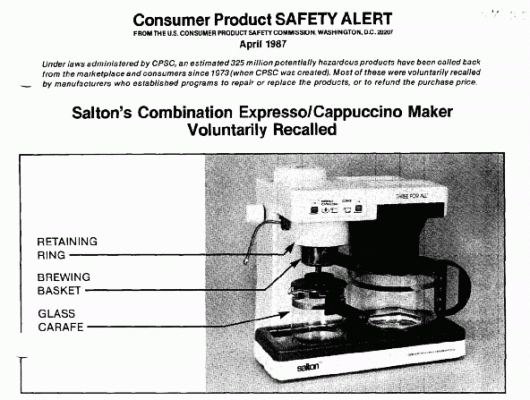
When your Salton coffee maker won’t turn on, check these often-overlooked issues first. Ensure the power cord is fully inserted into both the outlet and machine base—loose connections are the #1 cause of “dead” units. Test the outlet with another device to rule out circuit problems. Verify the carafe is properly positioned; many models have safety switches that prevent operation without it. If the “CLEAN” light flashes constantly, immediate descaling is required before further use.
Decoding Error Messages
“ERR” Display: Indicates internal sensor malfunction. Unplug for 15 minutes to reset the control board. If persistent, contact Salton support with your model number.
Blinking Water Level Indicator: Water reservoir is either empty or not properly seated. Remove and firmly reinsert the reservoir until you hear a click.
Continuous Beeping: Overflow detected in the drip tray. Empty the tray and wipe surrounding areas. If beeping continues, unplug and check for internal water accumulation.
Maximizing Your Salton Coffee Maker’s Lifespan
Extend your machine’s life with these professional maintenance habits. Always unplug when not in use to prevent electrical surges from damaging circuitry. Use distilled water if you have hard water to minimize mineral buildup. Never operate the unit without water as this burns out the heating element instantly. Replace worn parts promptly—Salton offers affordable filter baskets and carafes through their parts department.
Store your coffee maker properly during extended absences. Run a final vinegar cleaning cycle, then leave all compartments dry and open to prevent musty odors. Cover with a breathable cloth—not plastic which traps moisture. When you return, repeat the initial water cycle process before brewing.
Final Note: Your Salton coffee maker will deliver years of reliable service when used correctly. Remember the critical water-to-coffee ratio (1 tbsp per 5oz cup), perform monthly descaling, and always use the proper filter size. For model-specific guidance, locate your unit’s manual number (typically on the bottom plate) and download the exact manual from Salton’s website. Now that you’ve mastered these techniques, experiment with grind sizes and coffee origins to discover your perfect brew—no more bitter disappointment or weak, watery coffee. Your ideal morning cup is just one properly measured scoop away.